People AESME SCHOOL OF FLOWERS People AESME SCHOOL OF FLOWERS

A potted history

In 2025 AESME STUDIO turned ten. Over the years we have been devoting ourselves more and more to our roles as educators, hosting workshops at our London studio as well as retreats around the UK and abroad. In 2026 a new chapter begins with the AESME SCHOOL OF FLOWERS.
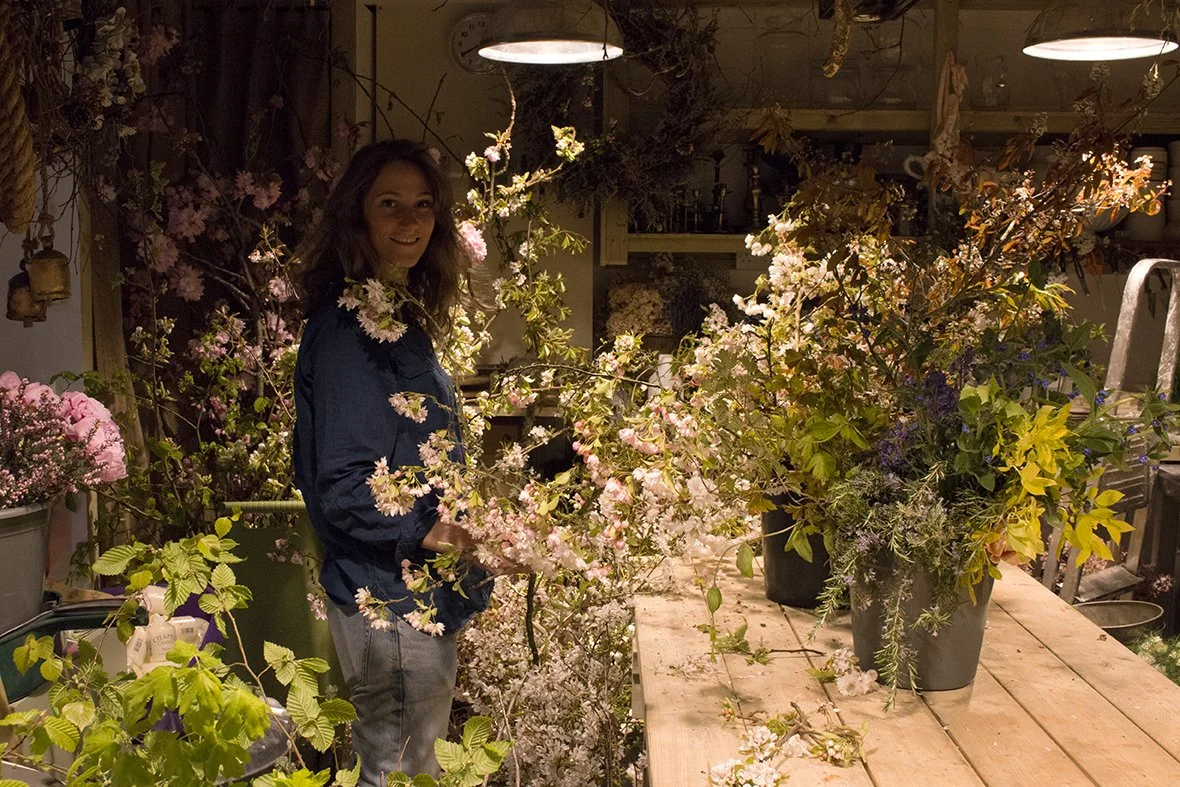
My sister and I started AESME STUDIO in 2015. Like many small flower businesses we felt our way into the industry by doing a little of everything - delivering bouquets, decorating shop windows, making arrangements for photoshoots, creating designs for weddings and parties. We cut our teeth, learning to do everything from driving vans to designing a website, managing a team to planning a cutting garden layout and growing and conditioning flowers. We practised rigorously and read every book about flowers we could get our hands on. After years of working in offices we relished the freedom and excitement of creating our own little world. Going above and beyond became the modus operandi in order to carve out a name and reputation for our fledgling business. At some point during the first couple of years we were asked whether we offered classes. And we said “yes, yes we do!”

Then quite literally operating as a kitchen table business, we will be forever grateful to those first intrepid souls who turned up at our London flats - convinced enough by our early blog and Instagram posts - and enthusiastically made arrangements with us as we tentatively explored new and rather unexpected roles as teachers.
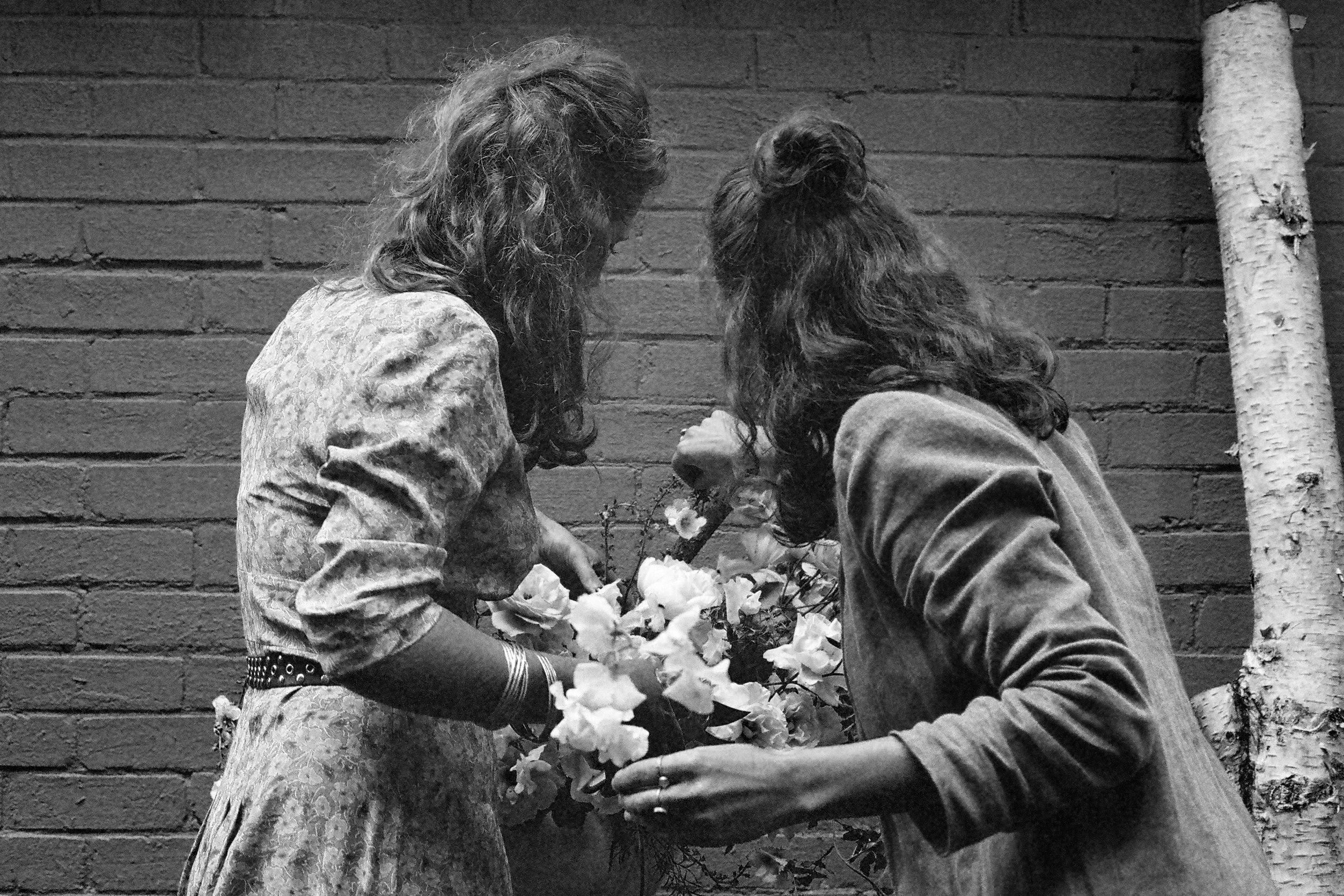
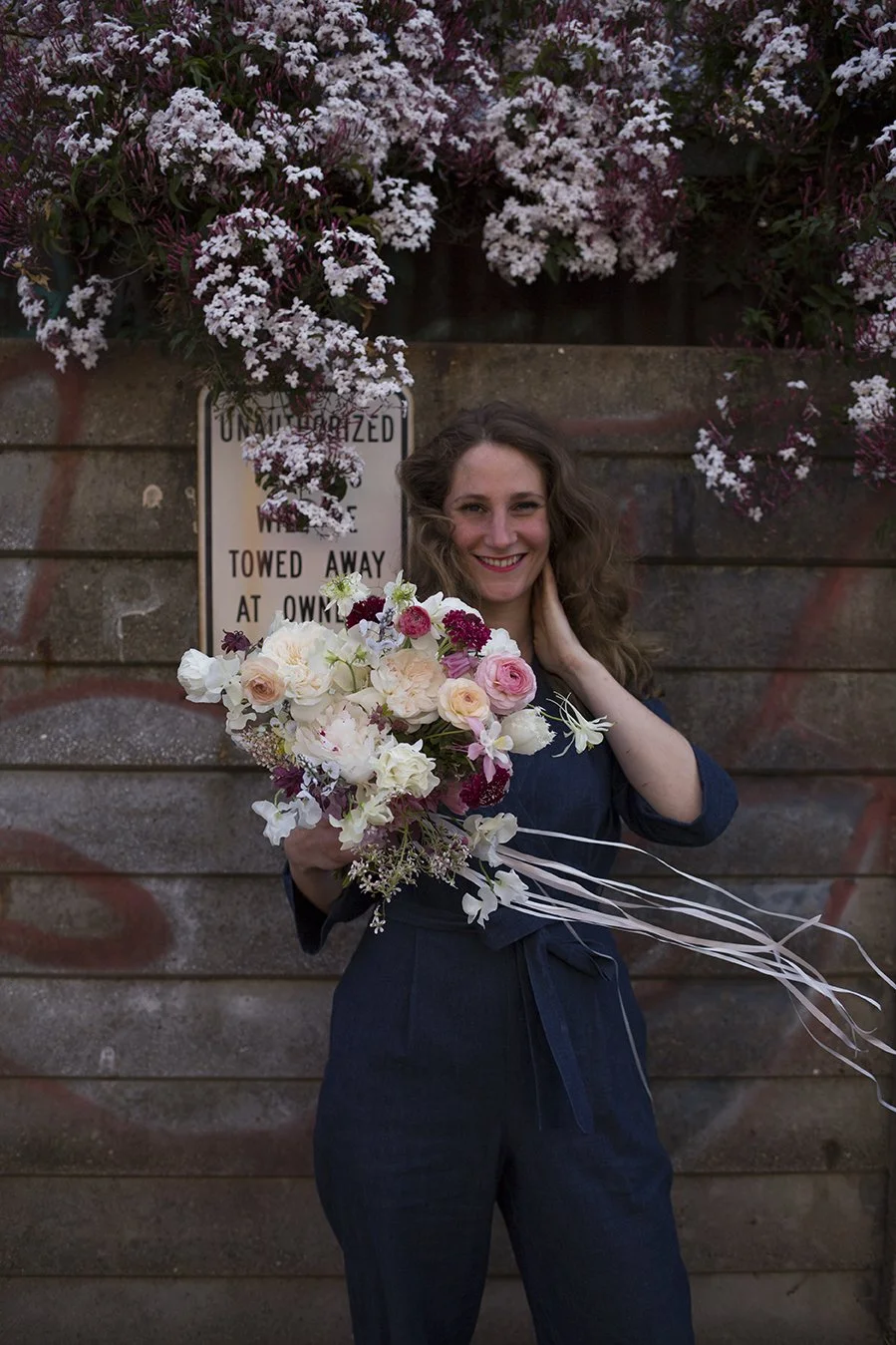
2016. Image by Katy Lawrence
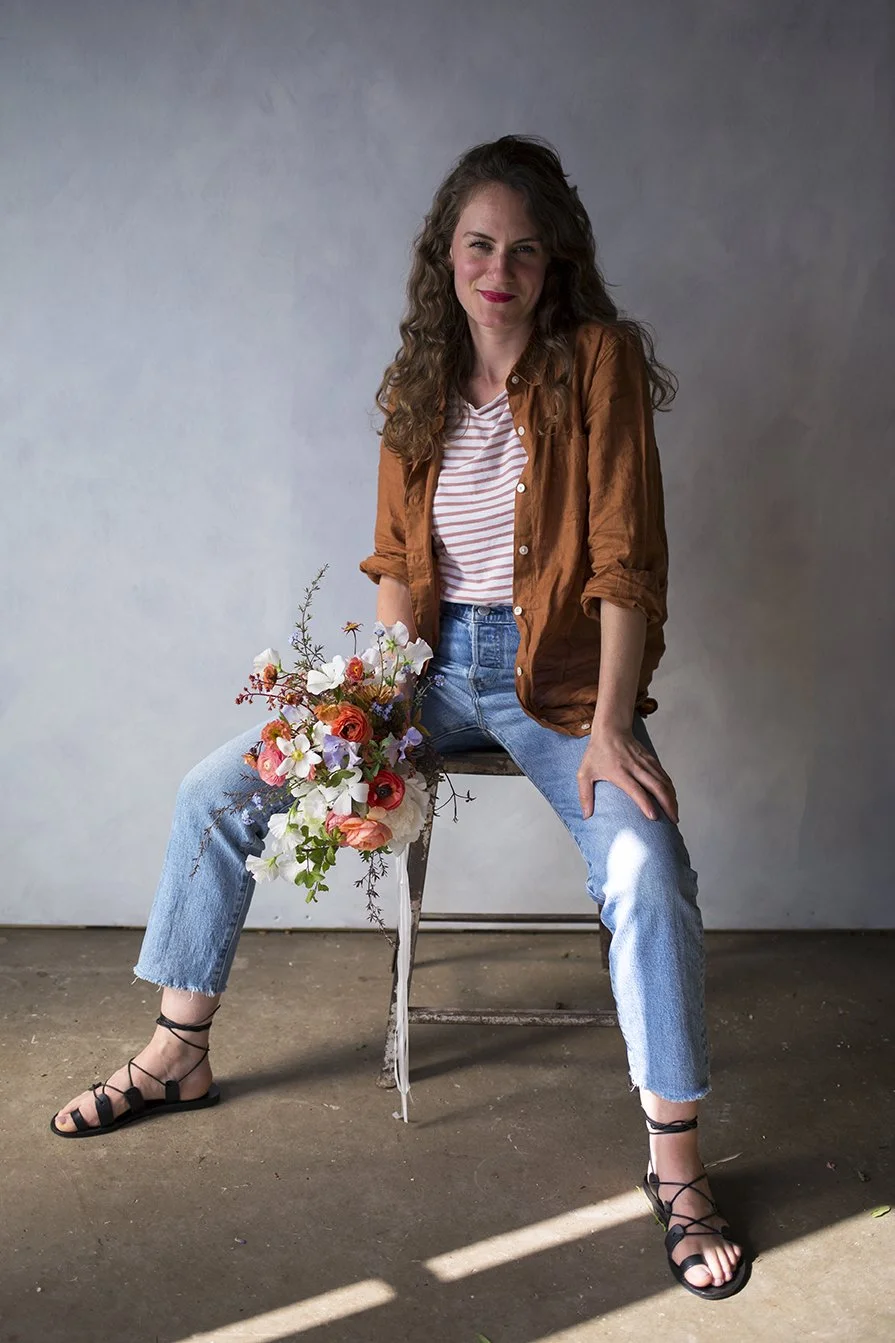
In 2017 we took over the lease on a dilapidated Victorian railway arch just north of Shepherd’s Bush Market in west London. Straight away we revelled in creating an environment and full ‘experience’ for students, especially somewhere as surprising as it was, with all the noise and concrete and the aromas of Ethiopian stew or cardamom coffee from the stalls drifting across the road. We had visitors from day one - before we were ready, before the paint was dry and there was still scaffolding up. I don’t think we even had any chairs at that point. It felt incredibly rewarding and validating: the slightly apprehensive faces tentatively coming down the little alleyway from the station, how people’s eyes would light up as they came through the door and saw the flowers, the way they’d deeply inhale the smoky smell of incense mingling with garden roses.

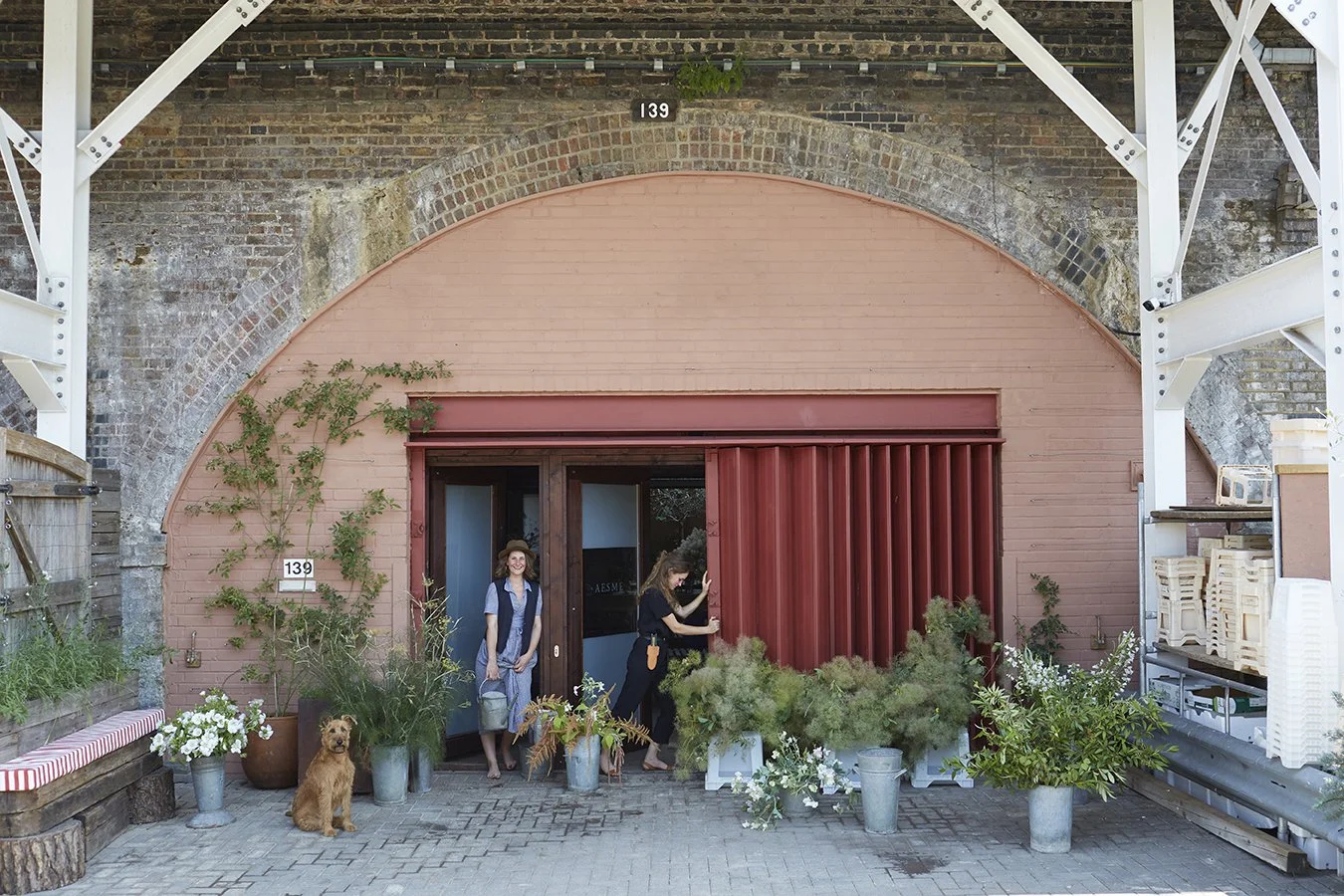
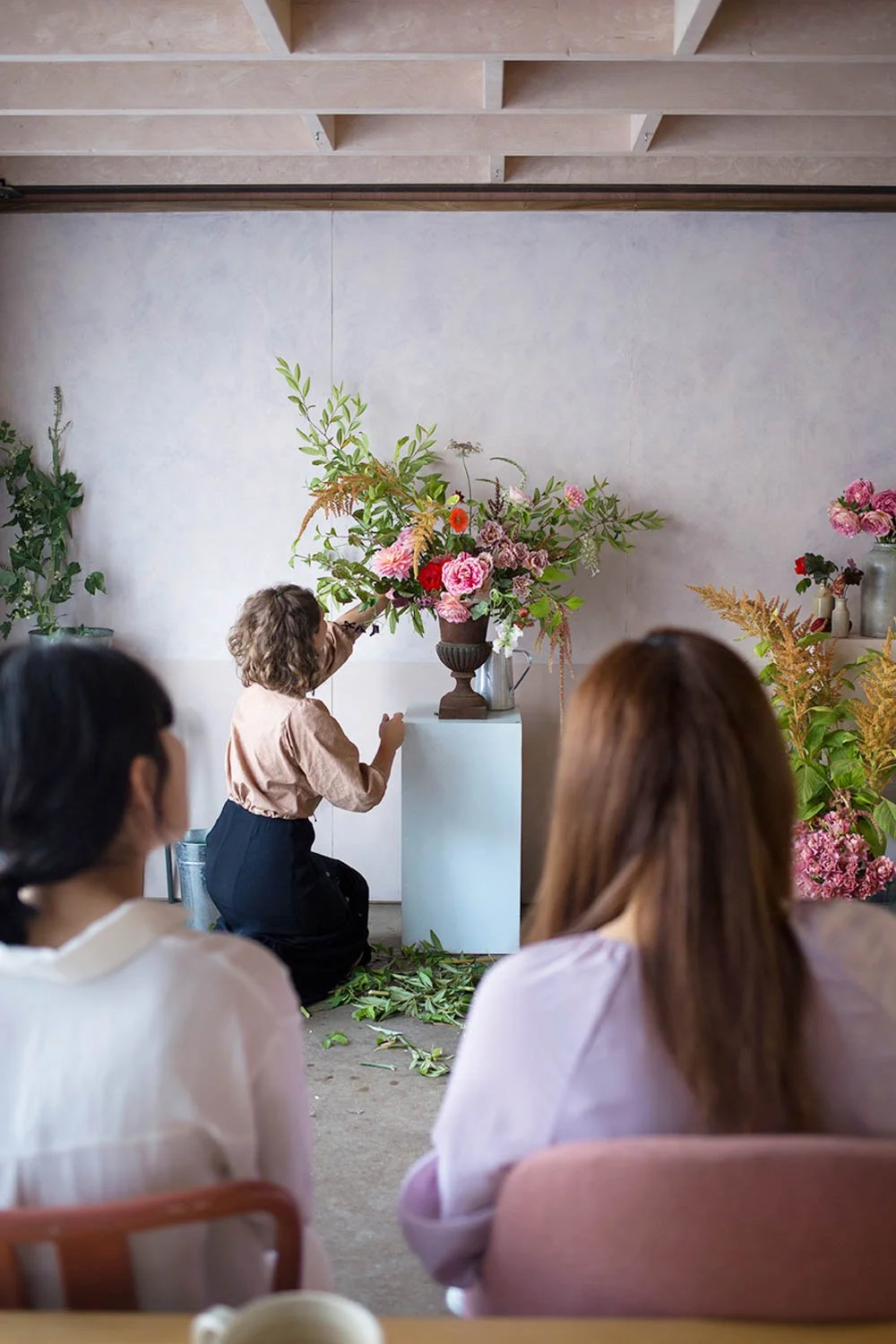
2018. Pushing back the concertina doors of the studio on a summer morning in Shepherd’s Bush. Image by Kristin Perers
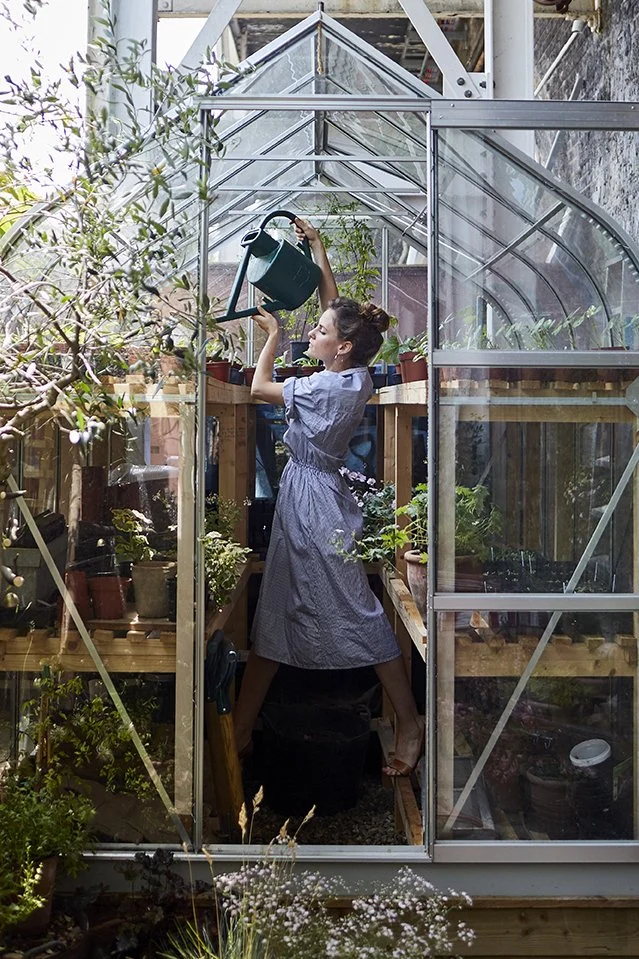
The first seedlings were grown in a greenhouse in the small back garden under the station platform above. Image by Kristin Perers
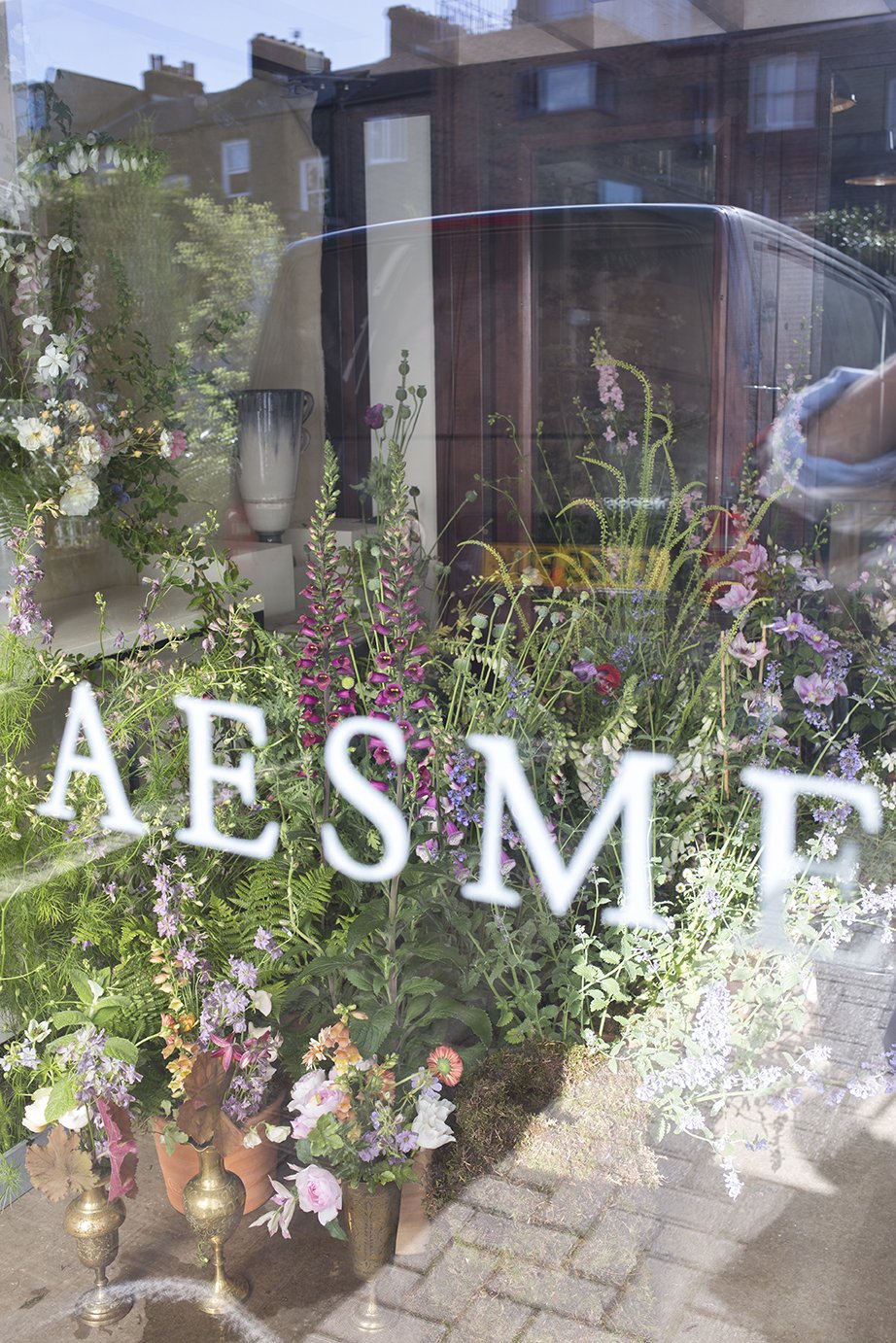
A summer spread from the garden with towering Digitalis x valinii ‘Foxlight Plum Gold’

I distinctly remember the initially daunting experiences of teaching larger groups - twenty eyes expectantly watching the demonstration from across the room! It mattered a great deal to us from the start that every visitor left feeling full to the brim with ideas and information. We were by that point three years into developing a cutting garden a few hours west in the Hampshire countryside, now in a position to share with our students modest harvests of own-grown produce. As ever it was the materials that made everything make sense. THIS was what it was all about! Making a connection between plants and people, sharing our new found knowledge with those hungry for it - the names of each plant, how we had grown them, how it was possible to arrange them at different times of the year…
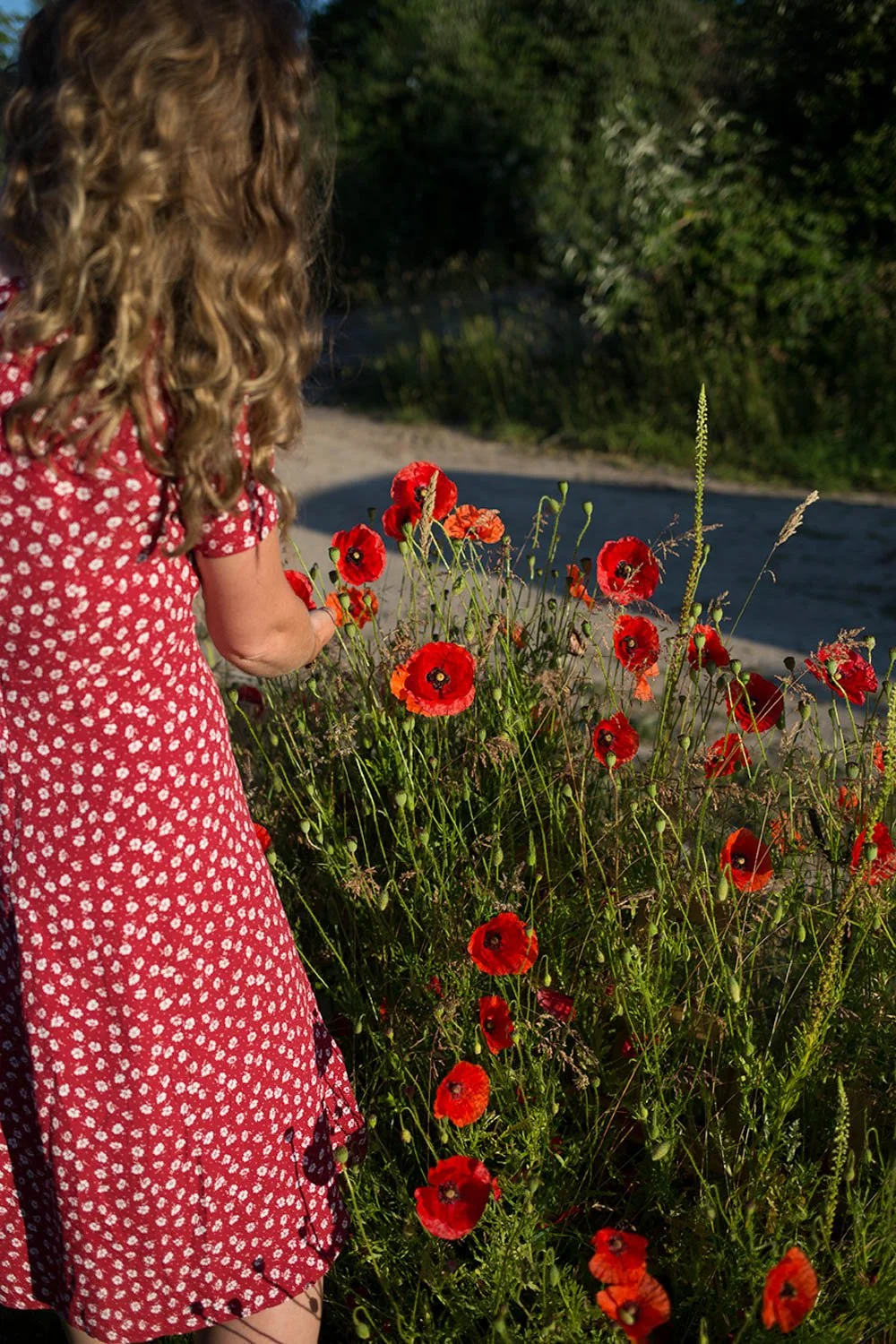
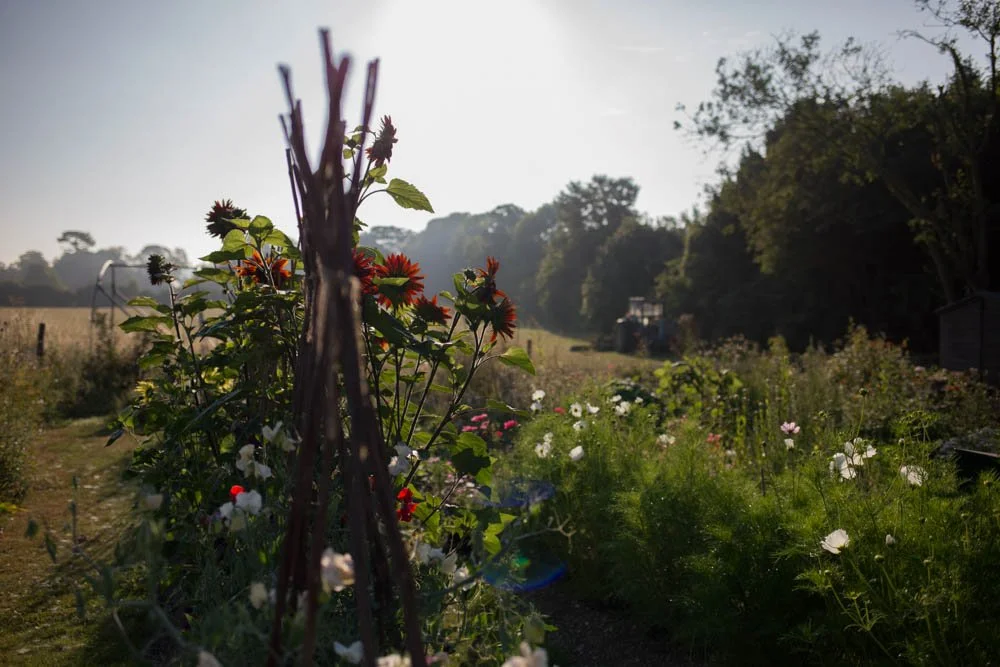
The cutting garden in its first incarnation with simple rectangular beds for cut-and-come-again annuals including sweet peas, sunflowers and cosmos and the skeleton of our first polytunnel behind.

It was entirely unanticipated that even early on, many of our students had travelled from overseas, not only from Europe but also the United States, Asia and Australia. As our knowledge of growing, arranging and teaching grew so we began to appreciate of the interconnectivity of humans and the natural world, the shared universal language of plants. In any workshop the multi national diversity of attendees could be reflected in the selection of flowers and foliage from the garden: sacred bamboo (Nandina domestica) from eastern Asia, the California poppy (Eschscholzia), Korean chrysanthemum, Siberian iris (Iris siberica), Persian lily (Fritillaria persica) native to the rocky outcrops of the Middle East.

After a while we were fortunate and delighted to be invited to travel and teach abroad - South Korea, Italy, France, Kenya - and to host retreats and workshops in venues around the UK. During the 2020/21 pandemic and the time this unexpectedly afforded us, we took the opportunity to explore and develop a garden-to-vase philosophy, studying and researching to deepen our understanding of design theory and garden inspired arranging. We spent a lot of time working in the garden, experimenting with new materials. Our desire to continue learning fuelled our desire to continue teaching, and while restrictions prohibited us from meeting face-to-face we took our lessons online, developing the first of our online courses.
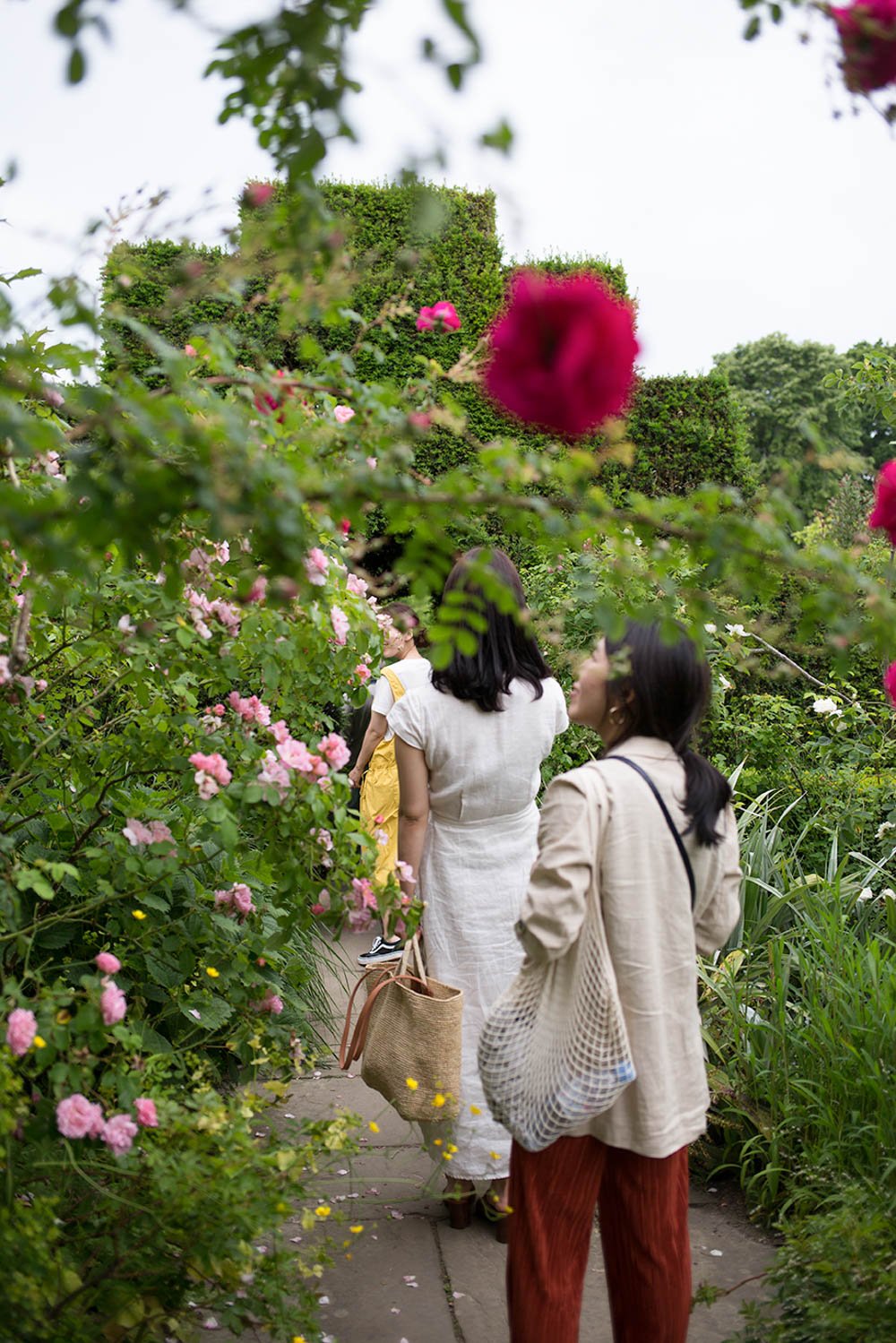
Introducing guests from South Korea to the magical gardens at Great Dixter
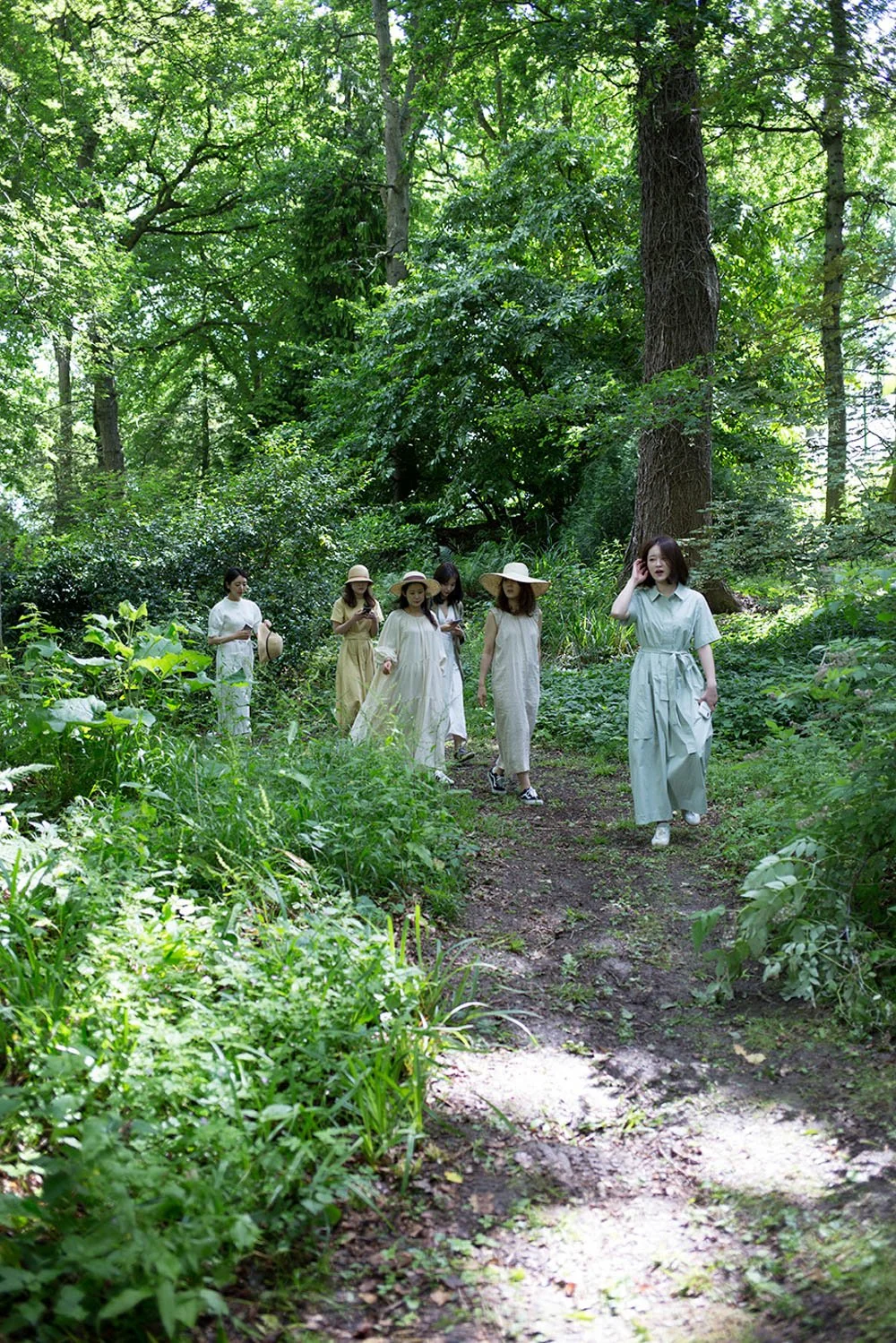
Down into the dingly dell - exploring the magical Secret Garden at the Woodshed in East Sussex
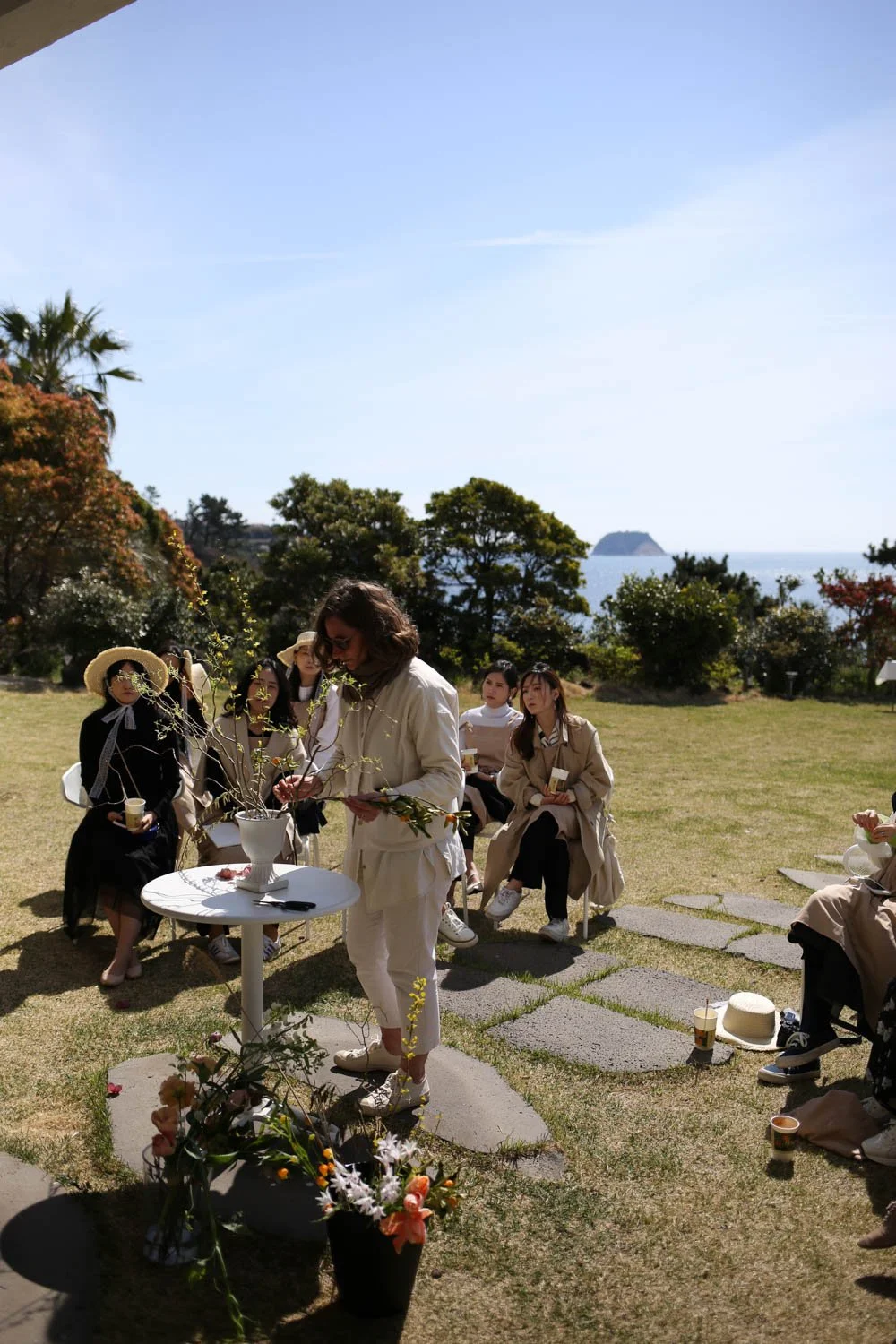
Arranging with a sea view on Jeju Island off the coast of South Korea
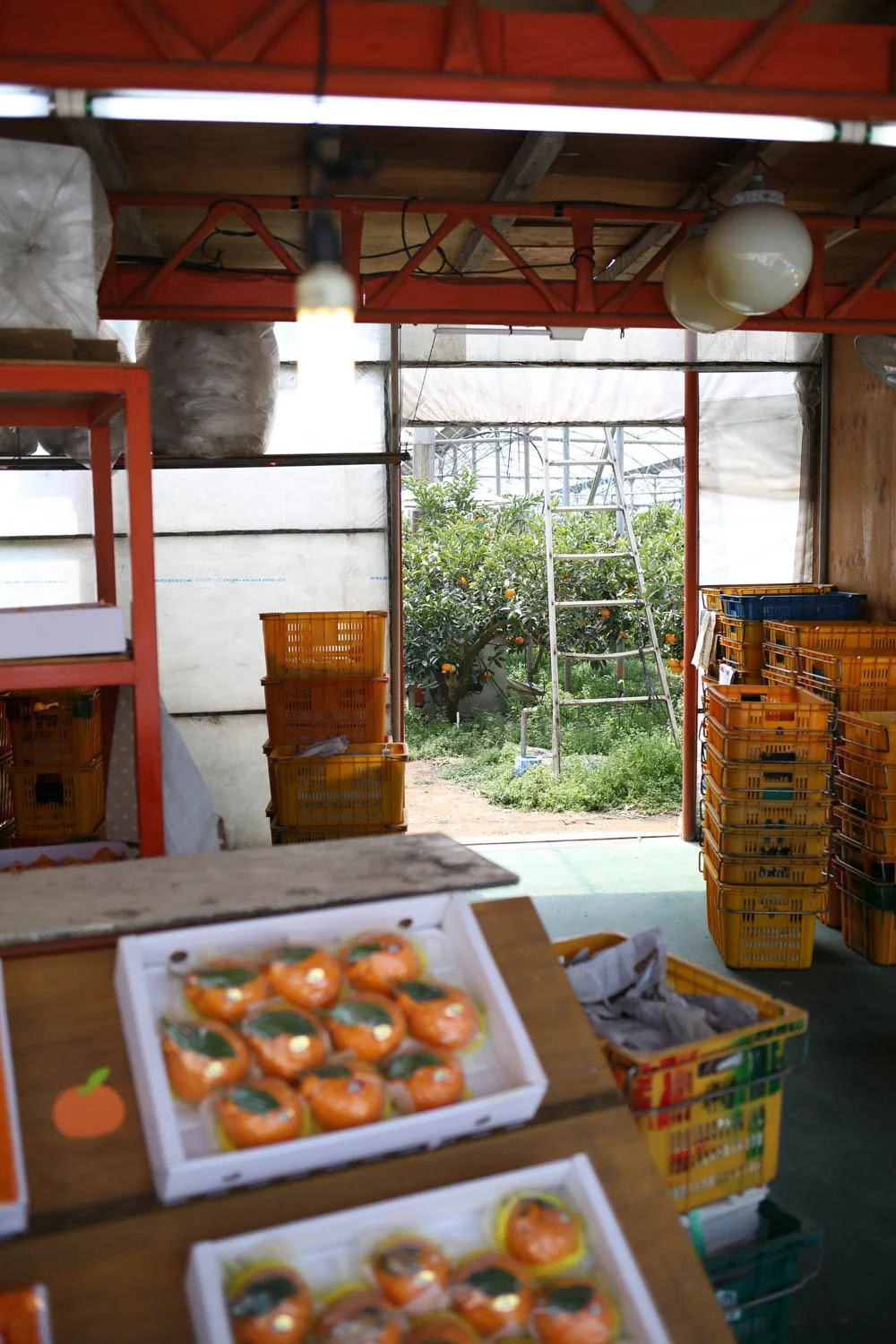
Volcanic landscape and citrus orchards - visiting a mandarin farm
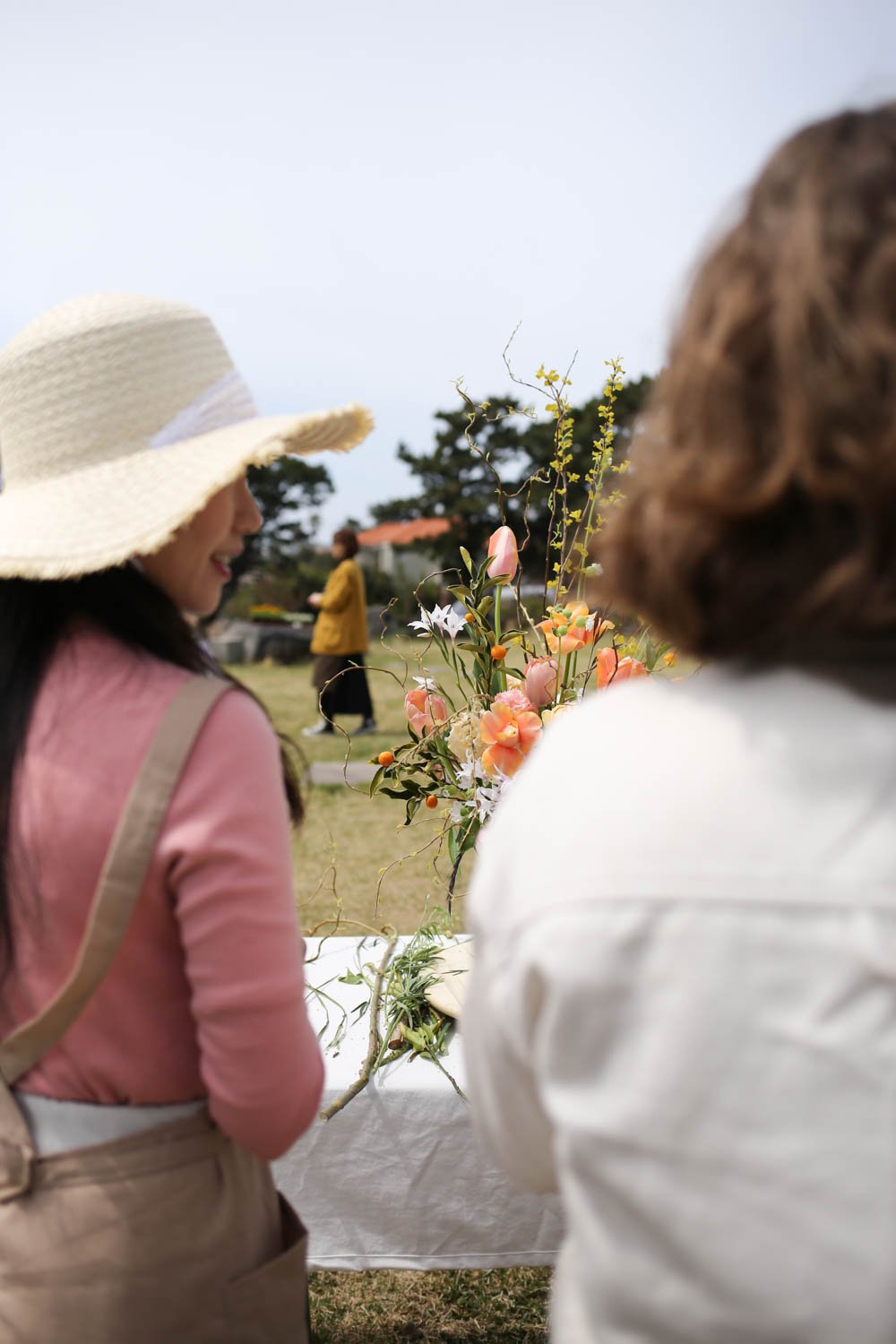
Talking with Korean florist Maya, who went on to start her own cutting garden
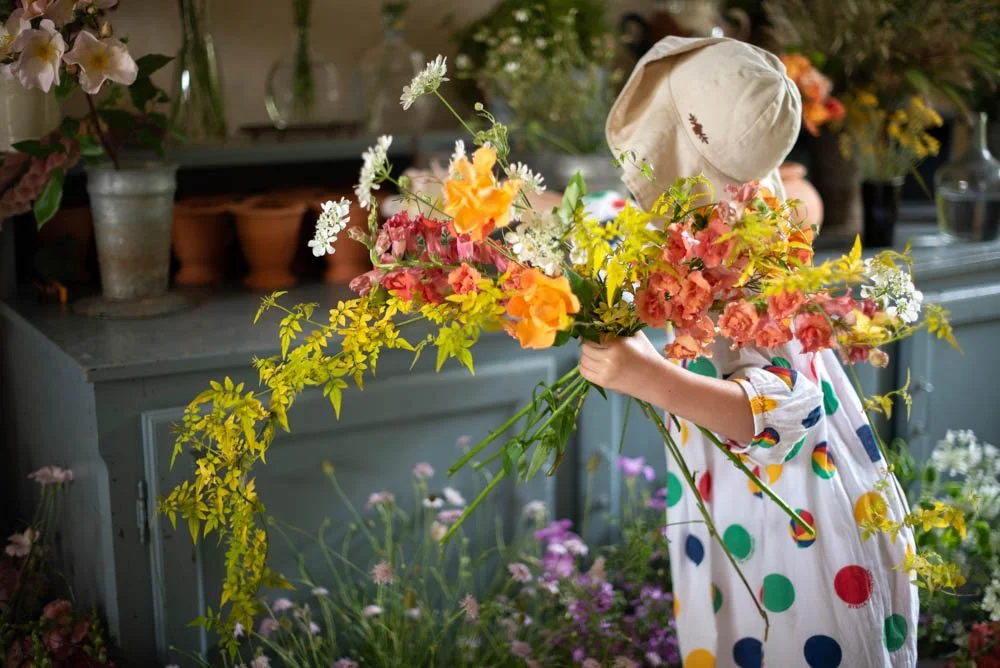
Our workshop guests have ranged from eight to eighty plus and are always an interesting mix of people from a diverse range of ethnic and professional backgrounds. This little girl accompanied her mother, a cutting garden designer, to a workshop in Provence where she made an amazingly accomplished and exuberant bouquet in shades of lime and coral.
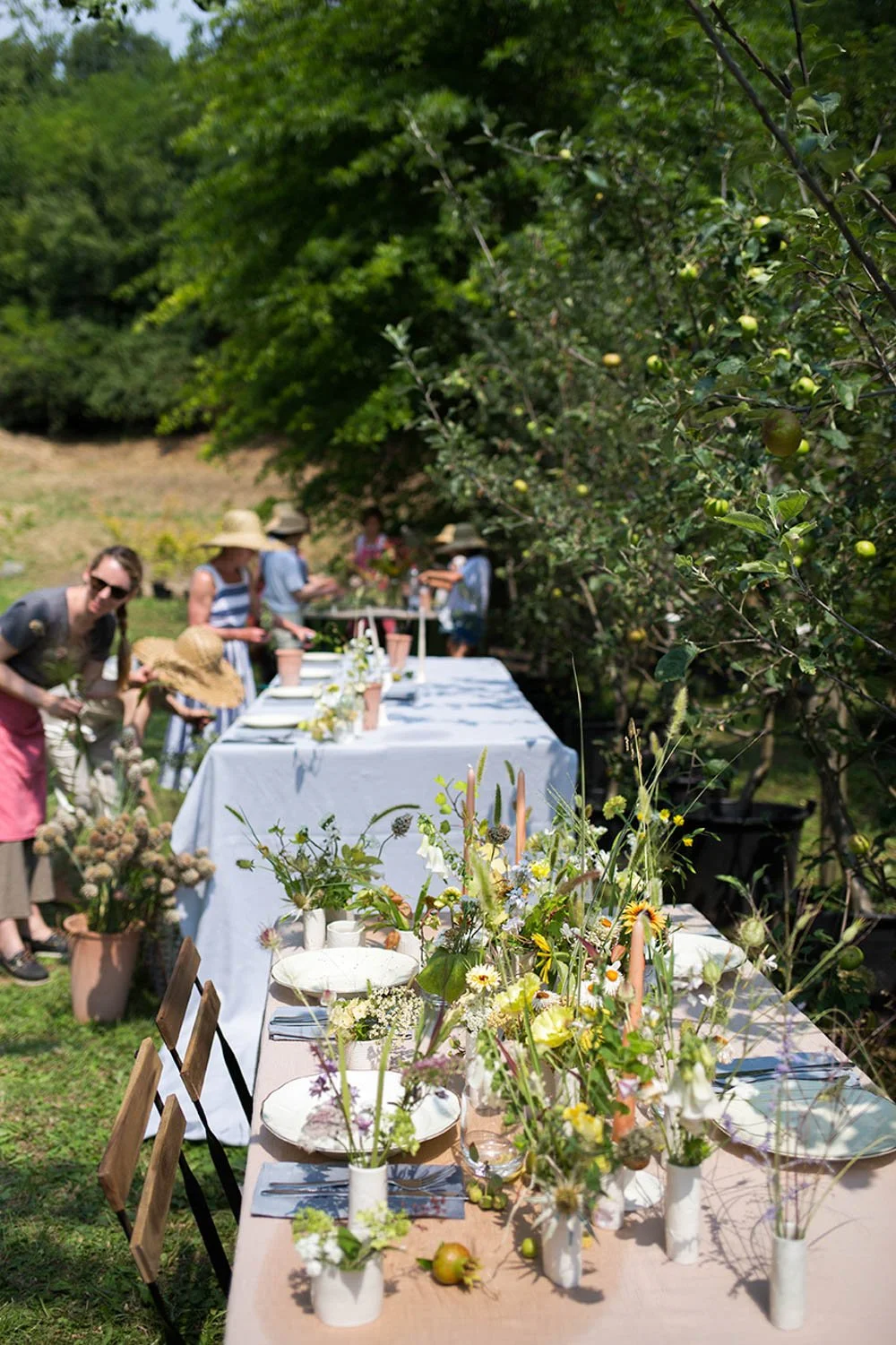
Dressing tables in the countryside near Lake Como
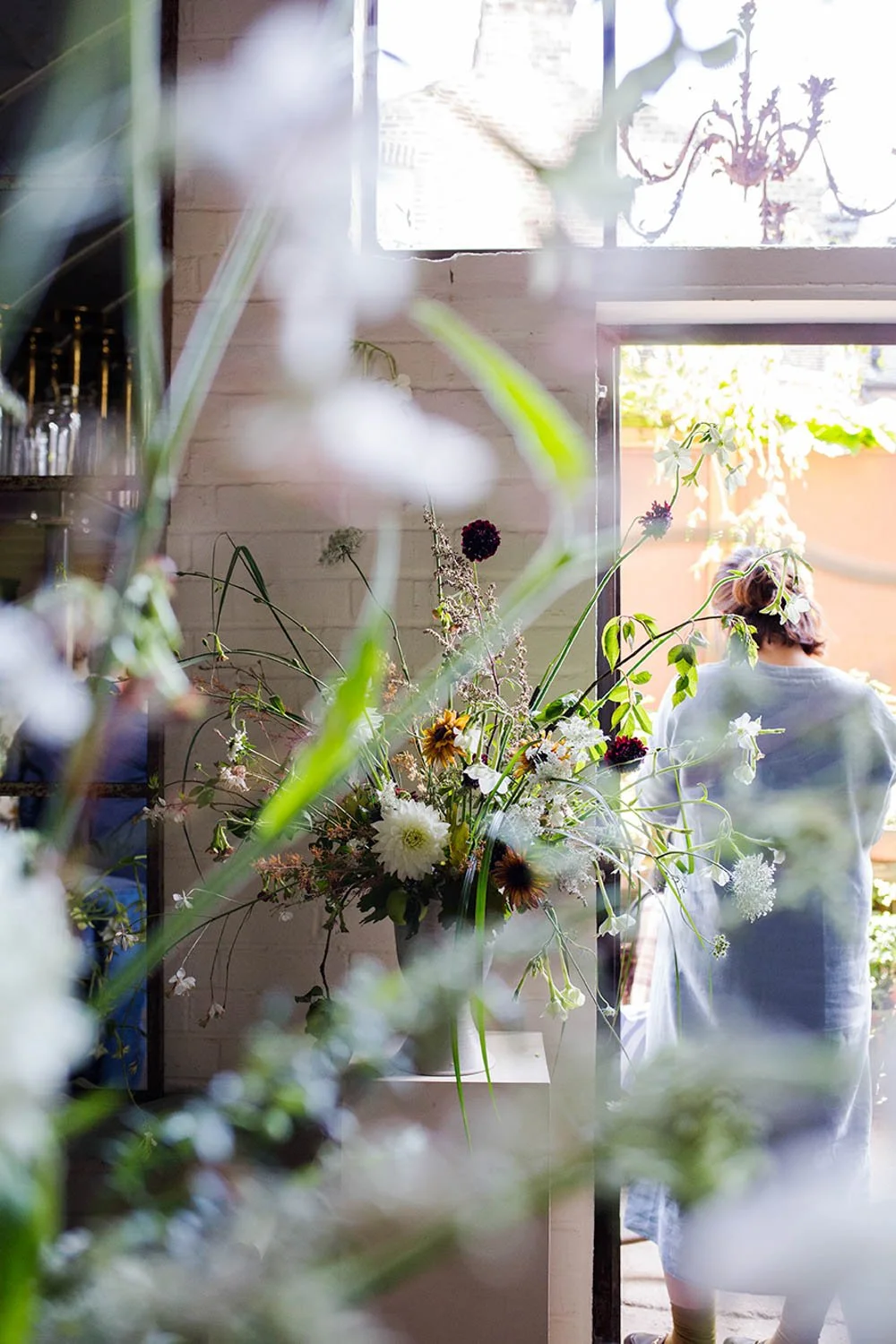
Early autumn at the studio in London
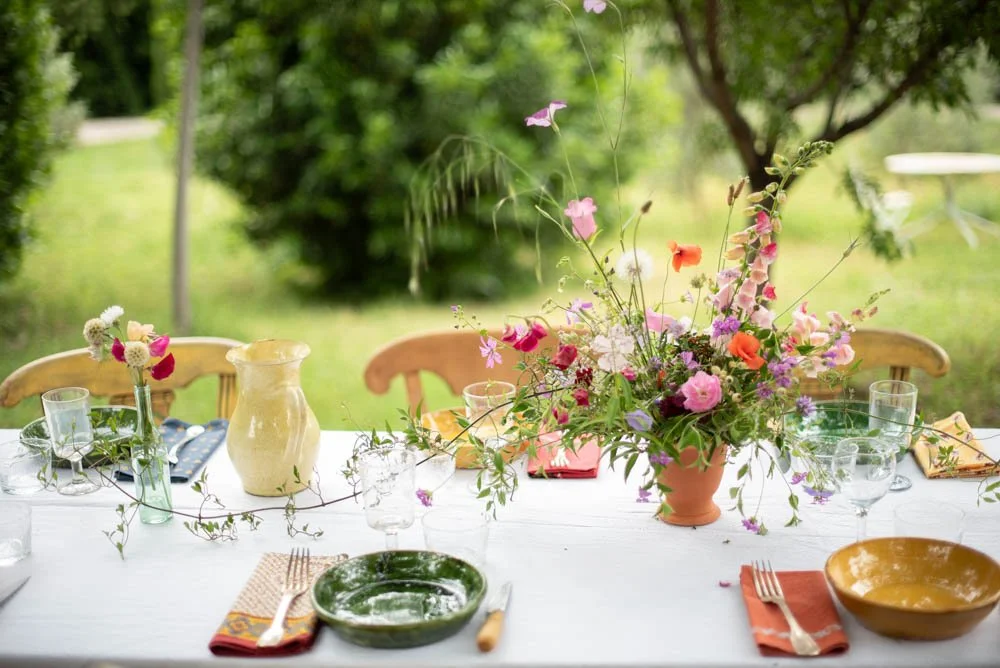
Lunch alfresco at Les Terres de Pierre with flowers grown by local farmers and trailing Clematis flammula
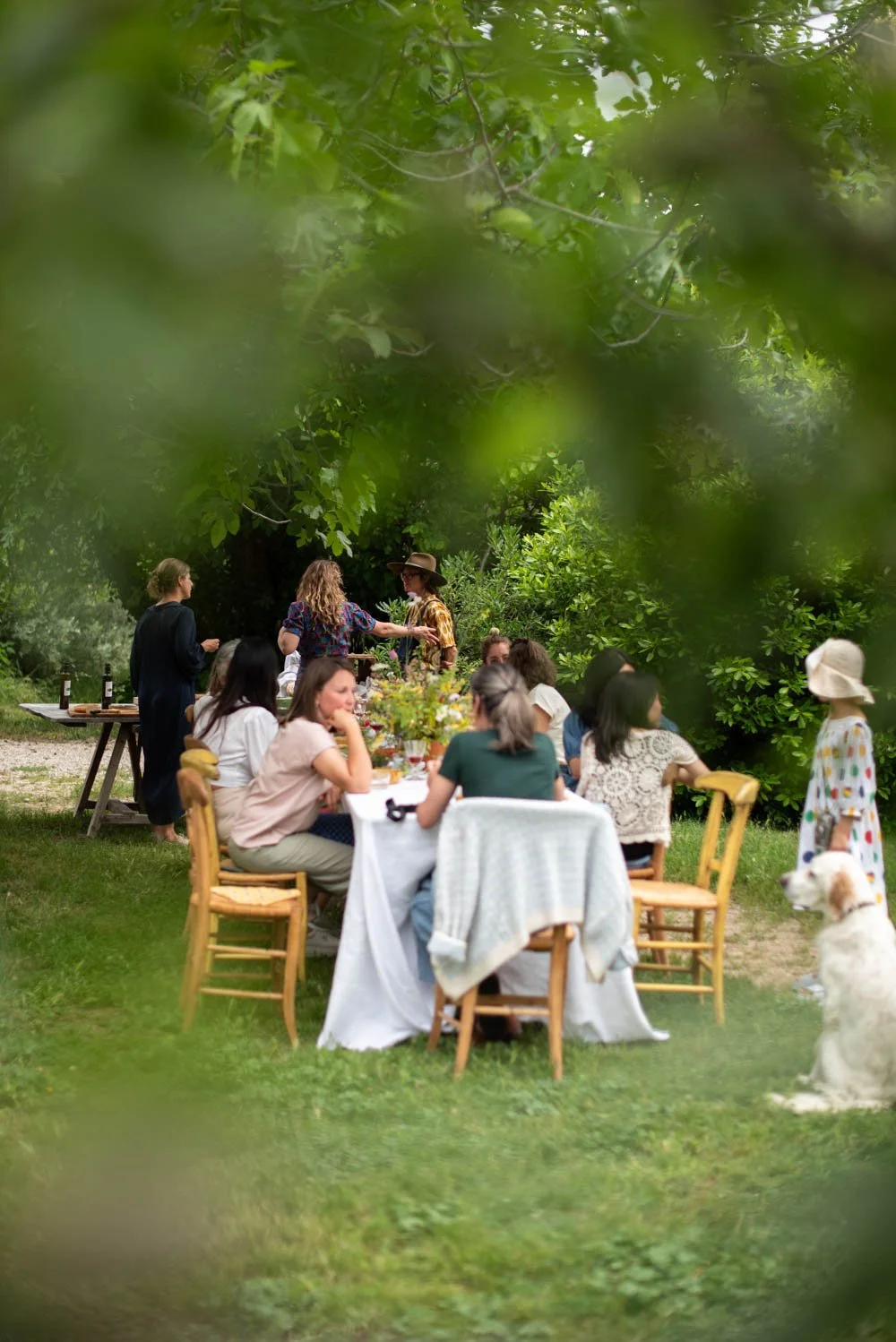
Enjoying conversation and the excellent cuisine of William and Prune Revoil with olive oil from the surrounding orchards
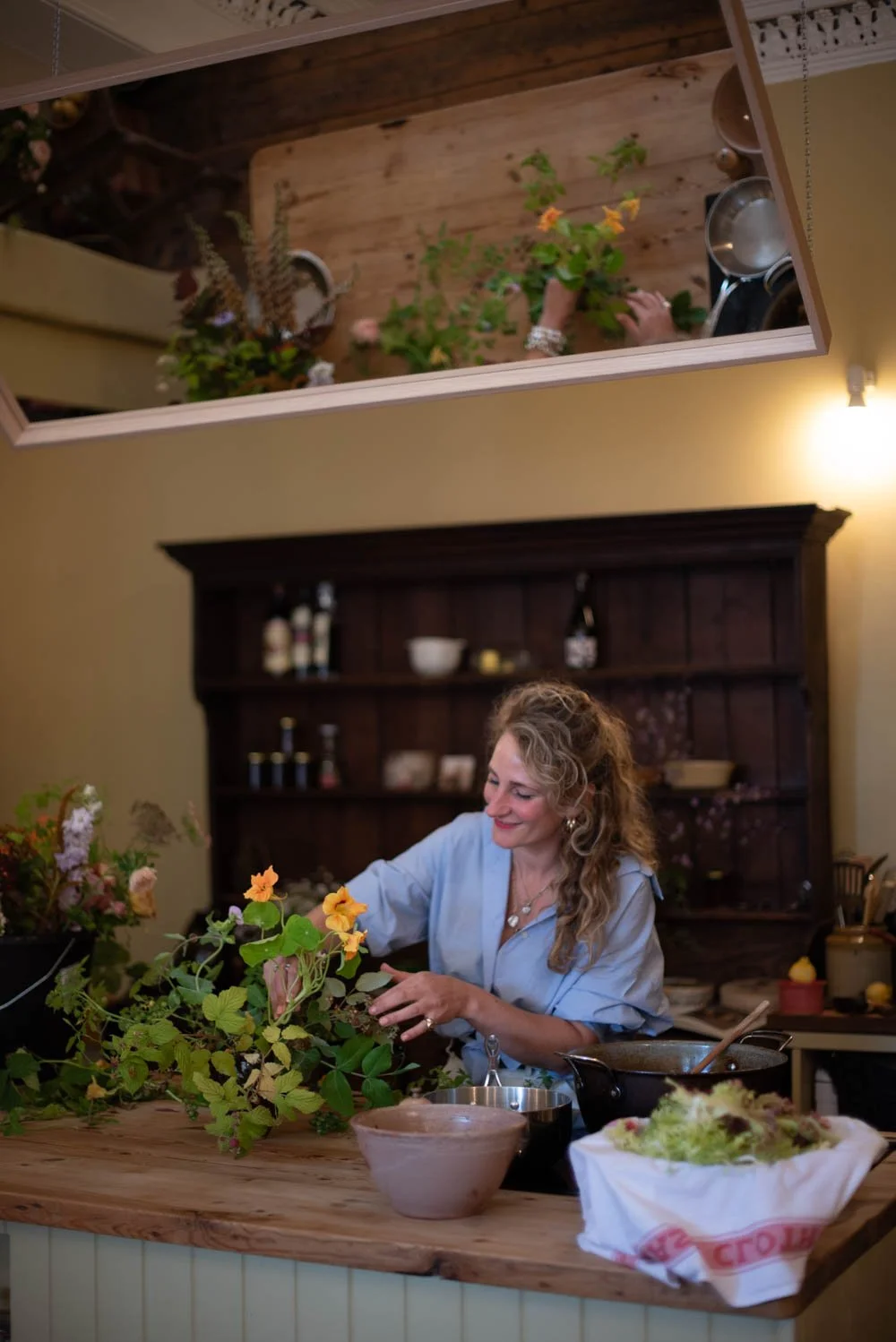
Late summer in Scotland: teaching a Food & Flowers workshop at Elliott’s, Edinburgh with flowers from the walled garden of Fiona Inglis at Pyrus
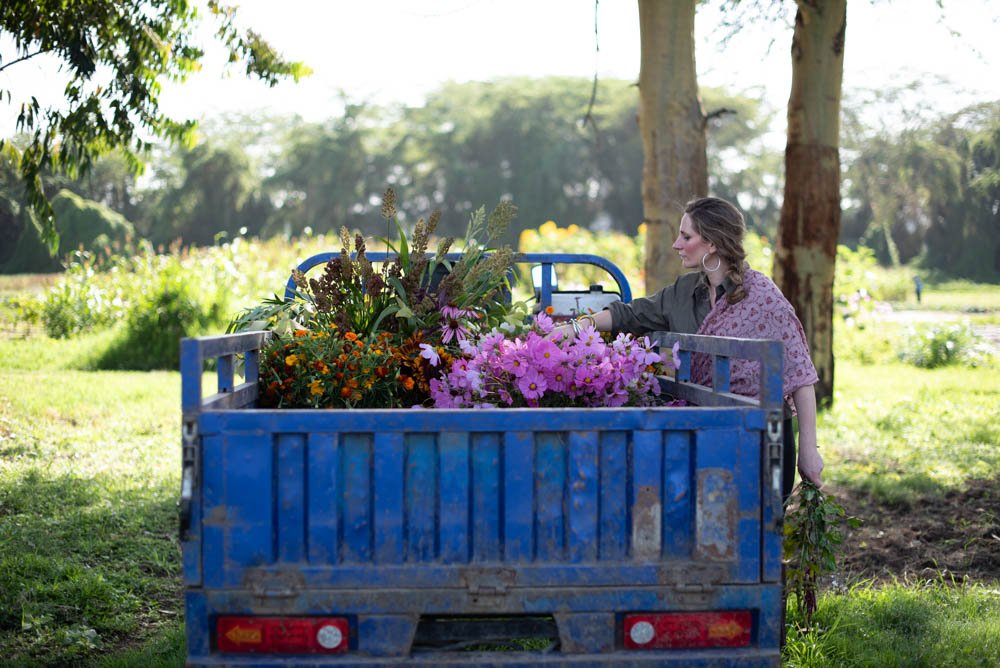
Early morning harvest in East Africa in preparation for a workshop at Ecoscapes for the Kenya Horticultural Society
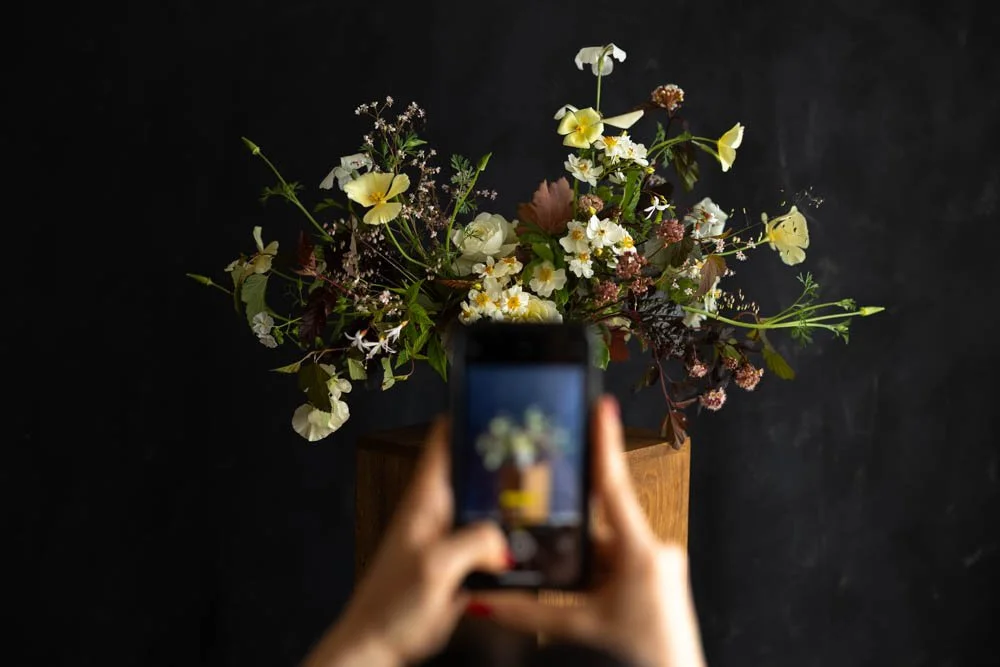
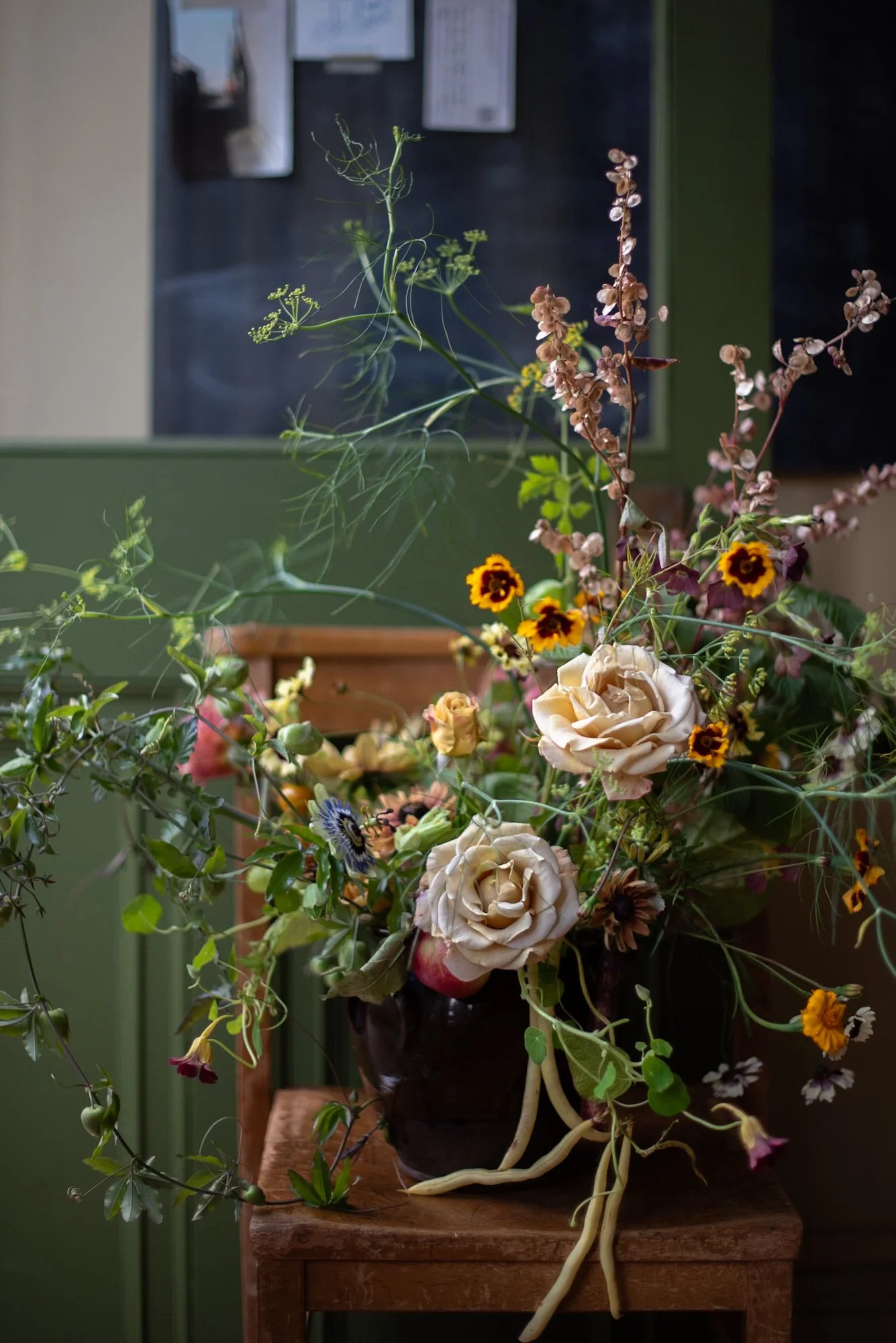
Lemon, plum and cream - the results of a creative session at the studio in London

When we look back we realise that every year we have been devoting ourselves more and more to our roles as educators. In 2025 AESME STUDIO turned ten. We took this as a cue to clarify the future vision for the business. In 2026 a new chapter begins with the AESME SCHOOL OF FLOWERS. In many ways things are much the same, the incense still swirls in the entrance of the arch, sunlight pools in the back window and spills onto the workbenches. But this also feels like the beginning of a paradigm shift - a wholehearted dedication to a version of floristry that is deeply rooted in positive change.

In the process of writing the 2026 class programme, we’ve distilled our ethos into a manifesto, laying down the guiding principles of AESME: Artistry, Ecology, Seasonality, Materials and Expression.

READ THE MANIFESTO

Read More
People AESME SCHOOL OF FLOWERS People AESME SCHOOL OF FLOWERS

Jess Elliott Dennison

A few years ago I listened to this podcast and later bought Tin Can Magic, Jess’s first cookbook, then her second, then her third. I followed her on Instagram and always found the dispatches from her cafe and later studio in Edinburgh inspiring because they struck me as so personal

A few years ago I listened to this podcast and later bought Tin Can Magic, Jess’s first cookbook, then her second, then her third. I followed her on Instagram and always found the dispatches from her cafe and later studio in Edinburgh inspiring because they struck me as so personal and it was evident that she was going about things very much her own way. I was also a fan of her flower arrangements straight from her cottage garden in the Borders and I just had an inkling that if we met we would become friends - we have a similar work ethic and approach and like us, Jess has a tight-knit family helping and supporting her. Running a small business is hard and its all-consuming so really the only way to make it work is to make it your whole life - or rather to create a life within it.
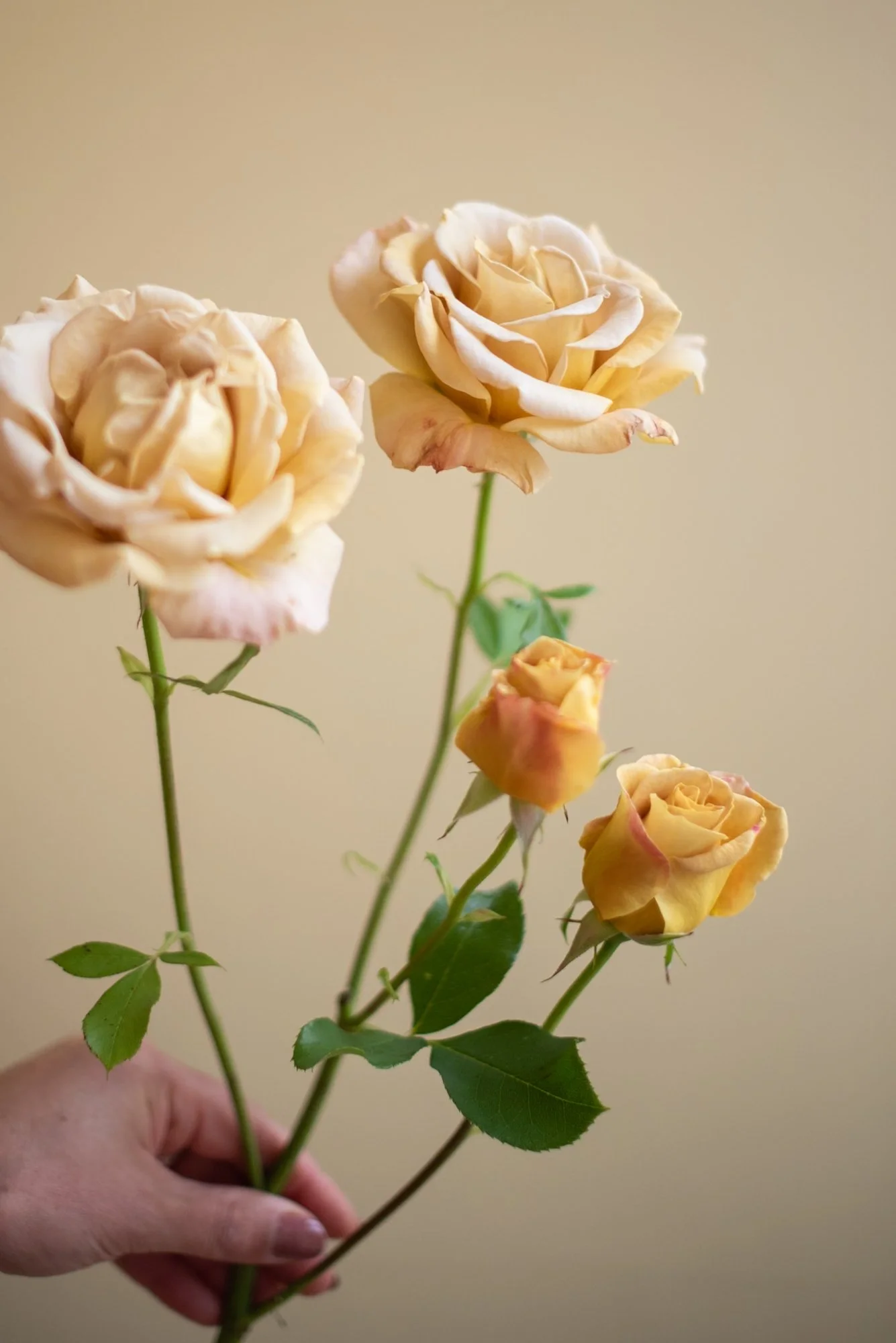
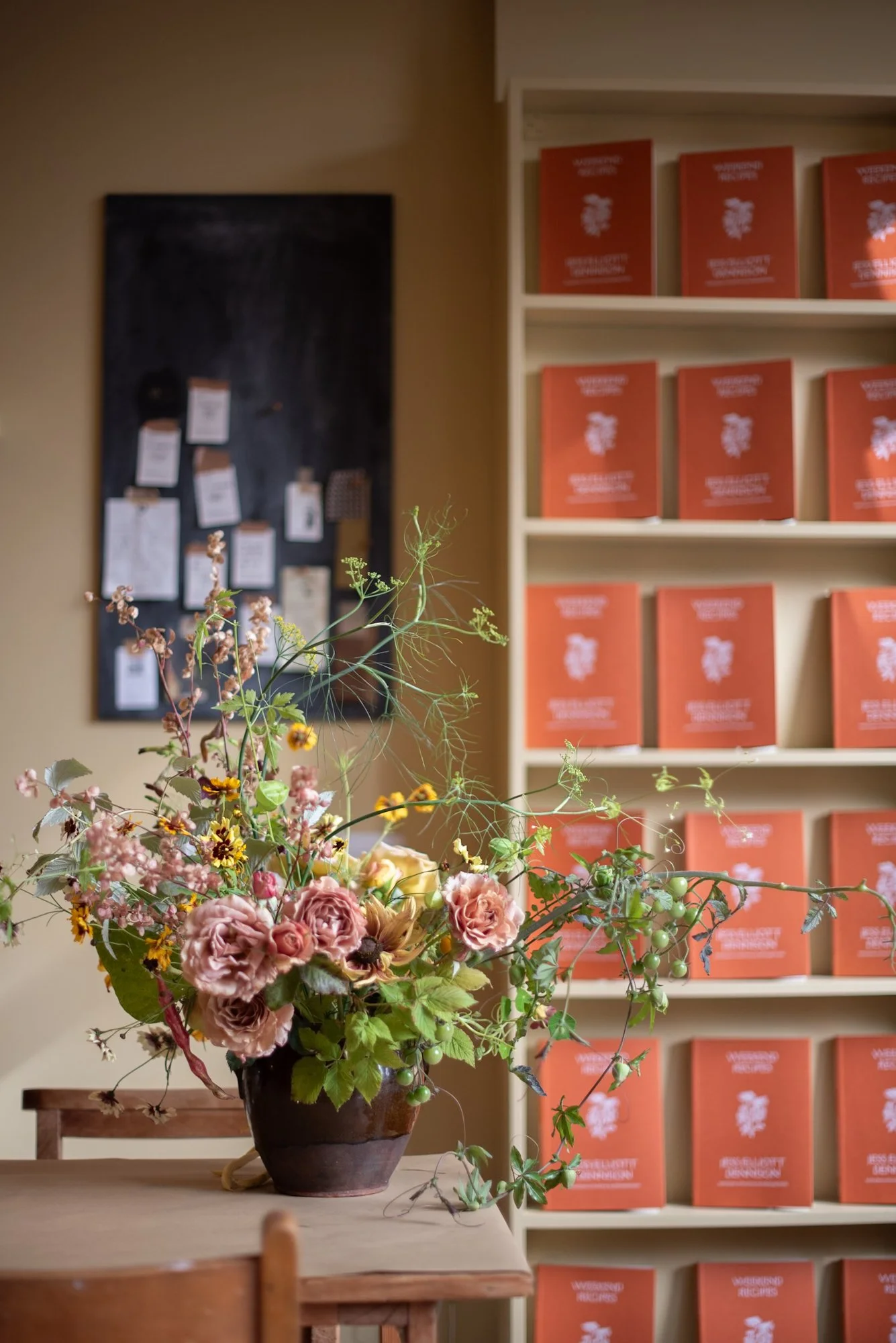
Finally the opportunity came about for us to meet. In 2023 we signed a book deal with Thames & Hudson (coming spring 2026) and the concept of that book was to spend each chapter in a different place that we find inspiring or have a personal connection to. When it came to focussing on the relationships and parallels between food and flowers I knew it had to be Elliott’s and from the first phone call Jess and I didn’t stop talking.

What I adore about Jess, and know you will too, is how true she is to herself. She loves to work and she approaches everything she does with a seemingly inexhaustible cheerfulness and positivity that’s both addictive and infectious.
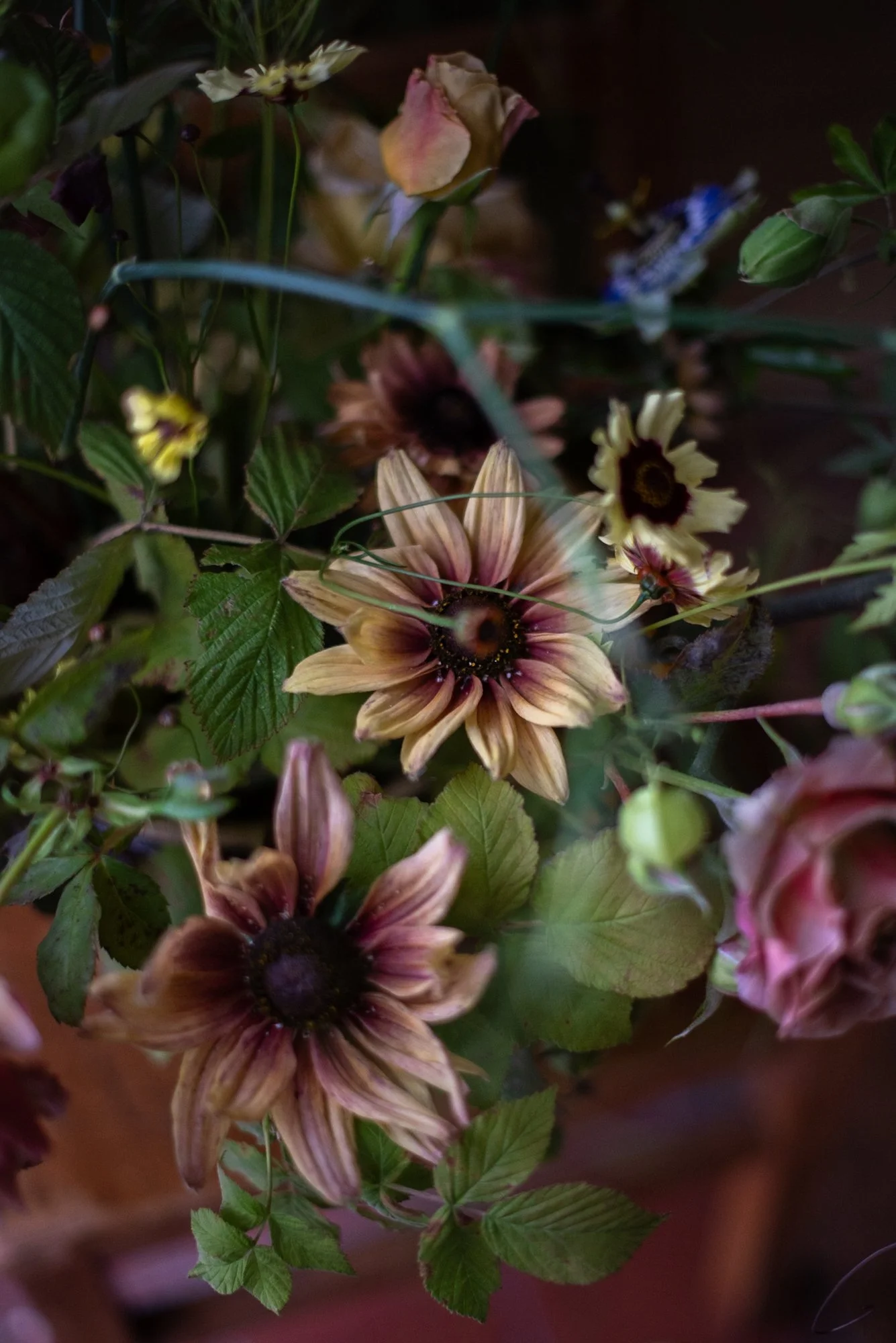
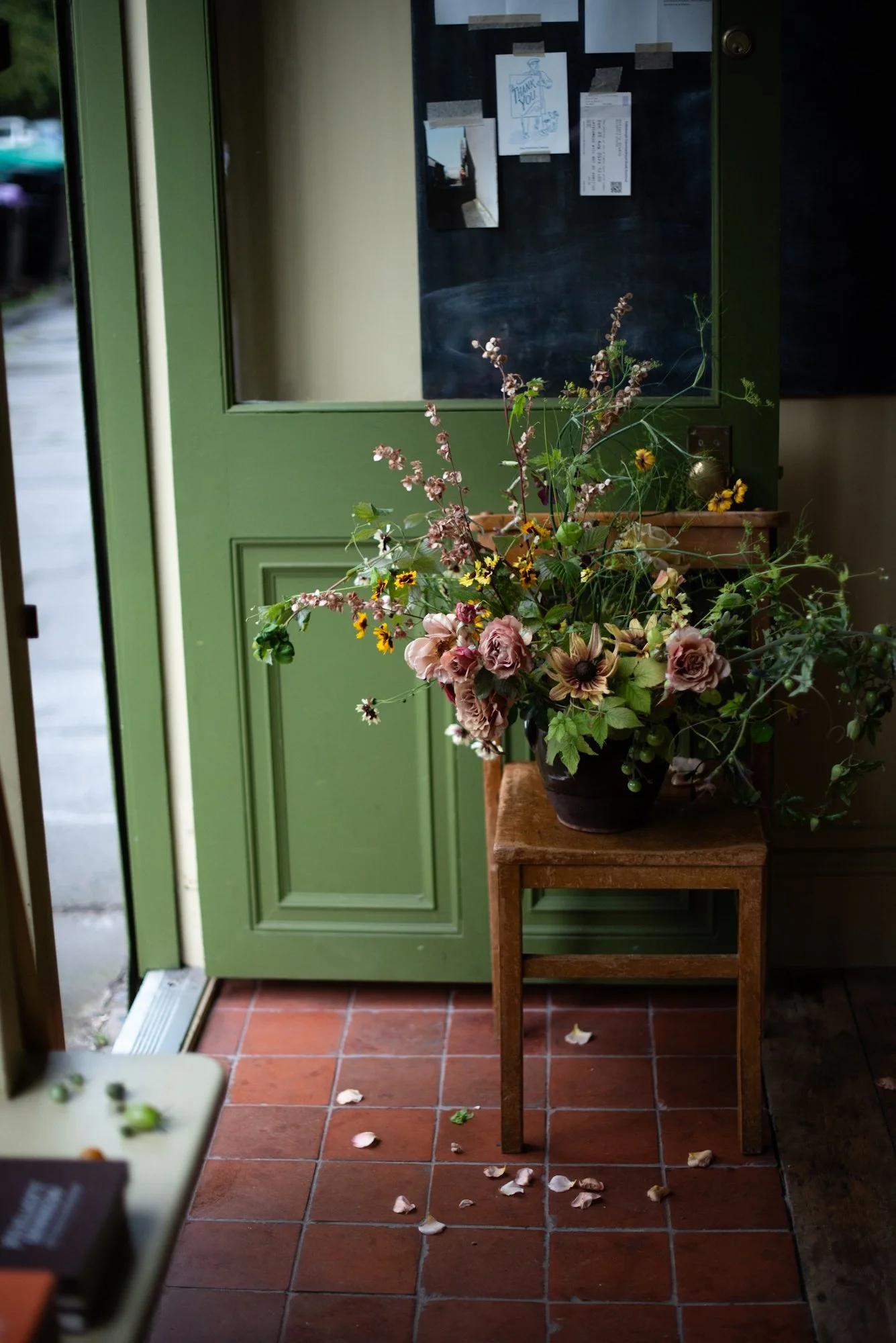
In 2024 Jess took a huge leap of faith in deciding to self-publish a new series of cookbooks. The first was Midweek Recipes which I’ve cooked from all year; the recipes are tasty and most importantly no-fuss. Her latest is Weekend Recipes which I’m excited to delve into, especially during the festive season. The plan is to focus on vegetables next and then puddings. The books are beautiful and were written and shot in the studio on Sciennes Road and designed by Maeve Redmond. You can order them online or find a copy in lots of good independent shops including Topping & Company, Plumo Studio, The Hambledon, General Store, Objects of Use and Artwords Bookshop (all the best places).

They make great birthday gifts or Christmas presents and the spines look very enticing next to one another… Chocolate brown and ginger - what’s next?! We’ll have to wait and see. But go fast - they’re selling like hotcakes!
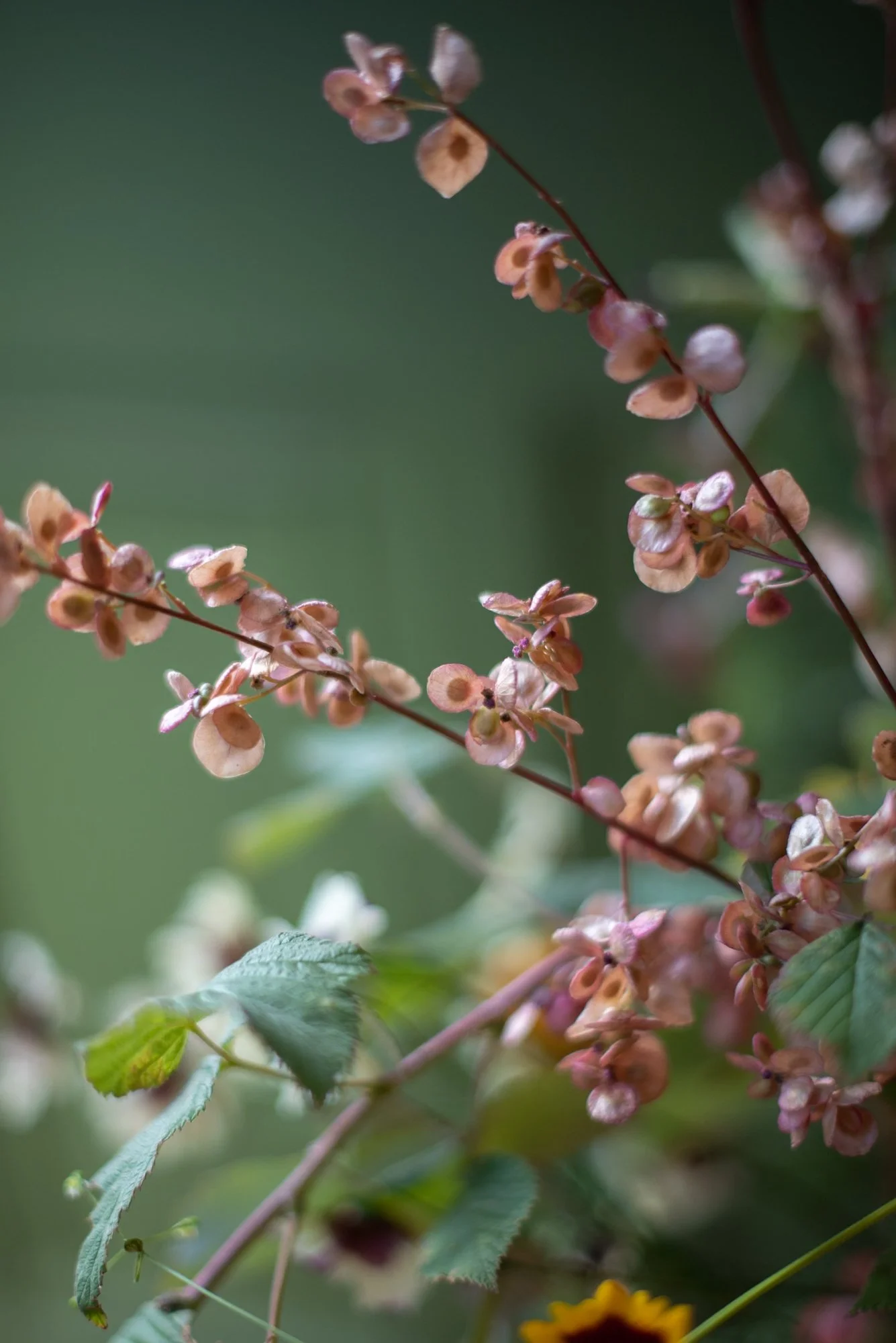
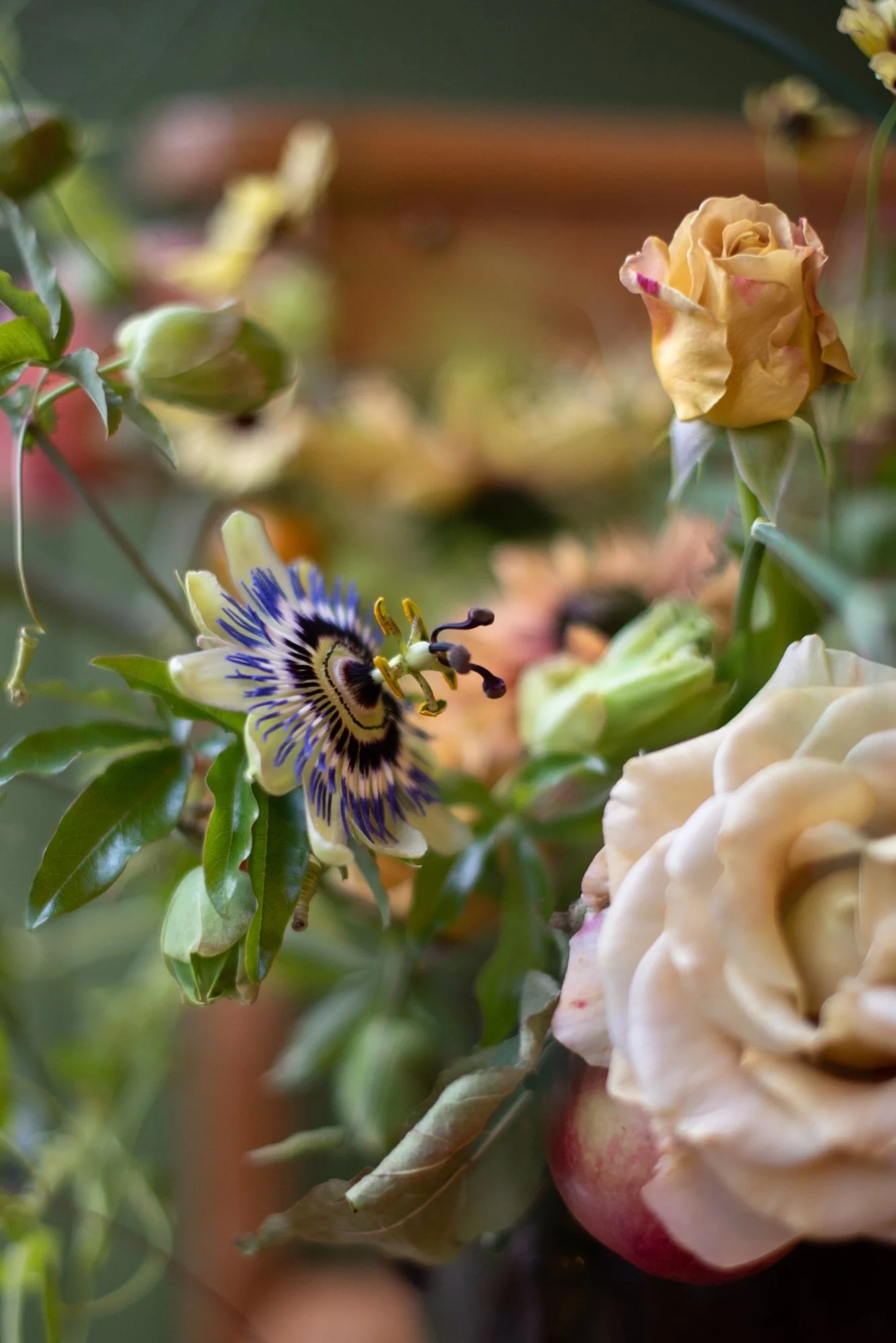
Food & Flowers | The Edinburgh Episodes is a five-part film series available to watch on our digital platform Flowers on Film.

Join our Mailing List to save 10% off a year of Flowers on Film
Read More
People AESME SCHOOL OF FLOWERS People AESME SCHOOL OF FLOWERS

Late August

Late August, and the seasonal barometer prevaricates daily between high summer and early-onset autumn. It has been a month of workshops at Aesme, with three wonderful groups of florists visiting from Seoul, each for a three-day intensive class on garden-inspired floral design

IN THE STUDIO


1Y9A2603.jpg
1Y9A2919.jpg
1Y9A2612.jpg

Late August, and the seasonal barometer prevaricates daily between high summer and early-onset autumn. It has been a month of workshops at Aesme, with three wonderful groups of florists visiting from Seoul with Flower Workshop Korea, each for a three-day intensive class on garden-inspired floral design for weddings. These workshops are a luxurious and immersive deep-dive into arranging flowers in the most naturalistic and seasonal way possible - lots of dahlias, rudbeckia, scabiosa, tobacco flower, garden roses and phlox this month - with textural shrub-foliage, foraged clematis vines and grasses, and plenty of scented herbs, fruits and vegetables - apples, tomatoes on the vine, artichokes and beans. It is such a treat to really revel in these materials and experiment with them, coming up with a different colour palette for each class, pushing the boundaries of what we feel is familiar or safe. It’s a fantastic time of the year for this - the leaves beginning to turn and some of the rusty tones appearing - mouthwatering mingled in with the softer shades of summer - bronze with lime and peach, caramel with lilac, blush with gold.

1Y9A2833.jpg
 
1Y9A2616.jpg
 
1Y9A2960.jpg
1Y9A3054.jpg
1Y9A2845.jpg

Sharing our flowers, watching other people discovering and enjoying them, has to be the most enjoyable aspect of the job, particularly when we have grown the majority of them from seed, bulb or tuber, and nurtured the plants towards a fruitful harvest. Especially when many of the students are working with particular varieties for the first time. There’s a palpable sense of anticipation in the studio, which we love and find infectious, and it makes us want to push the boundaries with what we grow the following year.

1Y9A2802.jpg
1Y9A3060.jpg
1Y9A2906.jpg
1Y9A3063.jpg
1Y9A2850.jpg
1Y9A3130.jpg
1Y9A3210.jpg

I’m always struck by how much people love using weeds, vines, grasses, vegetables and fruit just as much as they enjoy the flowers themselves - its those textural elements that bring an arrangement alive and fill the studio with fluffy, frothy works of art - each one an architectural sculpture, and so detailed, so colourful. It definitely isn’t the easy option, growing and gleaning your own materials, especially alongside design work for events and running regular classes. I’d go so far as to say that it may be the hardest form of product sourcing. But that direct connection with the source itself - the soil, the plants that give us these treasures every week, the weather, is integral to what we do here at Aesme, and the special experiences we want to provide for our students and clients.

1Y9A3220.jpg
1Y9A3222.jpg
1Y9A3243.jpg
1Y9A3184.jpg
1Y9A3297.jpg
1Y9A3161.jpg
1Y9A2935.jpg

IN THE GARDEN


1Y9A2586.jpg
1Y9A2585.jpg
1Y9A2590.jpg
1Y9A2595.jpg

At the farm our cutting garden is in peak production mode. This is the time of plenty, of harvests and corn dolls and receiving, after all the months of tending and nurturing and encouragement. The time of the year when people are gifting and trading the fruits of their labours - tomatoes for courgettes and rosemary, a bowlful of butterhead lettuce, just cut. A friend gives me a precious bagful of macadamia nuts picked from the tree on the ranch where she grew up in California. This is the most pleasurable way of living and eating - practical, frugal and generous at the same time.

The roses have eased a little now between flushes but our main ‘cut and come again’ crops, which include dahlias, phlox, scabious, rudbeckia, cosmos, nicotiana, daucus carota, calendula, borage, amaranthus, zinnia, Californian poppies and everlastings, are flowering prolifically along with successional plantings of hardy annuals like agrostemma and sweet peas. The herb beds have been full and luscious, the perennial beds yielding achillea, echinacea, chocolate cosmos, gaura, fennel, verbascum, campanula and spires of dainty thalictrum flowers.

Around the garden the hedgerows are beginning to glimmer with blackberries, hawthorn and rosehips and the scratchy outlines of drying umbels. We pick raspberries and whitecurrants from their canes to eat while we are cutting and fill little pots with ripe tomatoes, their sharp scent filling the tunnel. The garden is full of butterflies and drunken bees and the occasional sound of seeds showering from brittle pods, a sure sign that summer will soon be drawing to a close. Waiting just around the corner are days of morning fog and mellow afternoons filled with drifting bonfire smoke, when the leaves spin from chartreuse to titian red as if licked by flames, and finally to a dry cinnamon brown, crisp underfoot. For now we hover on the bittersweet bridge between two seasons, looking ahead, and looking back.


IN THE ETHER


A few things we’ve been loving this month…

Read More
People AESME SCHOOL OF FLOWERS People AESME SCHOOL OF FLOWERS

A London heatwave

It is currently 37 degrees in London, stifling and still, pollen drifting slowly in mid air. Landing back at Heathrow last night, it was barely cooler than Italy, the same humid blanket of heat and haze spreading across Western Europe.

IN THE STUDIO


1Y9A1995.jpg
1Y9A2074.jpg
1Y9A1990.jpg
1Y9A2072.jpg

It is currently 37 degrees in London, stifling and still, pollen drifting slowly in mid air. Landing back at Heathrow last night, it was barely cooler than Italy, the same humid blanket of heat and haze spreading across Western Europe. Too hot to work - almost too hot to write - it has taken most of my energy today just to unpack, water the garden and occasionally pad barefoot to the kitchen for more elderflower.

1Y9A2076.jpg
1Y9A2299.jpg
1Y9A2332.jpg
1Y9A2301.jpg
1Y9A2328.jpg

July has been another wonderfully full and floral month in the studio with private and group classes and as always we have loved welcoming guests to our leafy haven in the city, sharing ideas, great flowers and cafetieres of strong coffee in between lulls of companionable non-conversation and concentration. Flower arranging never ceases to be meditative, even when there is a lot of it to be done in a little time (as is often the case for us in the run-up to weddings or events); it quietens and calms and focuses in a way that I think is quite addictive to those who really embrace and enjoy it.

1Y9A2316.jpg
1Y9A2321.jpg
1Y9A2296.jpg

Recently I’ve tried to build in time for more creative experimentation whenever I get the chance; working with flowers and plants there is always so much more to learn and to try, different combinations of materials, different techniques. It is easy to fall into the trap of replicating, particularly when it is your job, and sometimes it is nice to make something that isn’t for sale, isn’t ‘appropriate’ or proportionate or even finished. In our classes we always say that the goal is to experiment, to try something new, not to worry about getting it exactly ‘right’, to take it apart if you’re not happy with it, to start over, mostly just to enjoy it; flowers are, after-all, the greatest luxury. When you are arranging for a client the over-riding priority is the End Result. When you’re arranging for yourself it is the process that takes precedence, that peculiarly ecstatic state of mind when you are coasting, not thinking about anything, finally. And then, after some time, and all of a sudden, you are flooded with new ideas.

1Y9A1981.jpg
1Y9A1957.jpg
1Y9A2303.jpg
1Y9A2059.jpg

To quote from the book I recommended in the last post (still so much at the the forefront of my mind that I am re-reading earlier chunks of it) To The River by Olivia Laing -

‘I was getting anyway into one of those trances that come from walking far, when the feet and the blood seem to collide and harmonise. Funnily enough, Kenneth Grahame and Virginia Woolf both wrote in praise of these uncanny states, which they thought closely allied to the inspiration writing requires. ‘Nature’s particular gift to the walker,’ Grahame explained in a late essay, ‘through the semi-mechanical act of walking - a gift no other form of exercise seems to transmit in the same degree - is to set the mind jogging, to make it garrulous, exalted, a little mad maybe - certainly creative and supra-sensitive, until at last it really seems to be outside of you and as if it were talking to you, while you are talking back to it.’ As for Woolf, she wrote dreamily of chattering her books on the crest of the Downs, the words pouring from her as she strode, half-delirious, in the noon-day sun. She compared it to swimming, or ‘flying through the air, the current of sensations & ideas; & the slow, but fresh change of down, of road, of colour: all this is churned up into a fine thin sheet of perfect calm happiness. It is true I often painted the brightest pictures on this sheet: & often talked out loud’.

I feel like this when I am arranging flowers.

1Y9A2314.jpg
1Y9A1956.jpg

Next week the studio will be closed. We are all taking a break after the summer rush to go offline, stretch our horizons and re-energise with some coastal walks, fresh fish and early nights ahead of a busy August. More from the studio then!


IN THE GARDEN


1Y9A2141.jpg

It is that point in the season when there begin to be momentary glimpses of the next; the sorrel in the hedgerows turning rusty pink and burnt amber, the summer-weary earth is parched, little cracks appearing in the dust like miniature fault-lines. At the farm we’ve been making steady progress; it’s been a month of maintenance and weed control - so difficult to keep on top of in the height of the summer but made far easier with extra help. With the first flush over there is a brief lull before the next crops really get going - perhaps a little later this year because of the long, cold spring - the flowers of high to late summer - dahlias, zinnias, rudbeckia, scabiosa, daucus carota and everlastings. And vegetables too - lettuce and cabbages, french beans, radish and tomatoes. We harvest buckets of poppy seed-heads, so useful for the autumn, and already turning from that misty blue-green to tobacco brown and gold.

1Y9A21171.jpg
1Y9A2068.jpg
1Y9A2257.jpg
1Y9A2163.jpg
1Y9A2264.jpg
 
1Y9A2288.jpg
1Y9A2232.jpg
1Y9A2250.jpg
1Y9A21931.jpg
1Y9A2197.jpg
1Y9A2276.jpg
1Y9A2263.jpg
1Y9A2281.jpg

IN ITALY | GIARDINO ESTIVO WORKSHOP


1Y9A2438.jpg

Late last week Jess and I flew to Milan and drove north, spending the weekend on Lake Como. It was beautiful: terracotta, primrose and ochre villas with tiered gardens and shutters painted dusky blue, turquoise and emerald, hills brushed with mist, frangipani blossoming and trailing in the lake water that turned gold at dusk. Striped awnings, stone terraces of vines, water slapping the underbellies of boats and above the hills - pine, ferns, wild strawberries and hydrangea - the peaks not jagged but soft and undulating, blanketed with forests.

1Y9A2440.jpg

Not missing the chance to visit an Italian garden while we had a few hours spare we visited Villa Balbianello at Lenno. Built in the late 1780s by a wealthy cardinal, and most recently owned by handsome explorer Count Guido Monzino before passing to the Fondo per l'Ambiente Italiano (the National Trust of Italy) upon his death in 1988, the villa and its gardens are deceptively small and rather formal. But worth travelling a way to see was the snake-shaped Ficus which entwines the loggia, and the evergreen oak pruned into the shape of an umbrella, with a view across the Lake to Bellagio. We’ll share photographs in a later post, because there are many. I’d like to go back there, probably in autumn when the camphor laurels turn red; it must be a breathtaking sight.

1Y9A2443.jpg
1Y9A2447.jpg
1Y9A2445.jpg
1Y9A2446.jpg

On Sunday we moved east into the mountains to a little village near Erba, halfway between the two ‘legs’ of Lake Como and Lecco to host a two-day workshop at Olga’s Flower Farm. On the site of a nursery run by her mother Cecilia, Olga grows beautiful annuals - rudbeckia, cosmos, zinnia, dahlias, phlox, celosia and many more which she sells to florists in Como and Milan. We were spoilt for choice, and for foliage too - most exquisite varieties of ninebark, abelia, porcelain vine and viburnum as well as apples and pomegranates. It was a treat to be thrown into what I think of as the next season almost - late summer/pre autumn, the ‘serotinal’ period according to the ecologists calendar - a couple of weeks before we begin harvesting our own. The colour palette for the workshop was dominated by these dusty reds, corals, gold, rust and toffee.

1Y9A2456.jpg
1Y9A2479.jpg
1Y9A2460.jpg
1Y9A2450.jpg

It was extremely hot, as can be expected of Italy in July, and I think heat renders a lovely, if slightly sleepy atmosphere because those two days seemed to slip by in a slow, hazy, drifting sort of way. Everything just took the time it took - cutting, arranging, tweaking, drinking espresso, moving around from shadow to shadow, from the shade of one tree to another. And all day long, the unceasing soundtrack of cicadas.

1Y9A2458.jpg
1Y9A2472.jpg
1Y9A2486.jpg
1Y9A2488.jpg
1Y9A2517.jpg
1Y9A2484.jpg
 
1Y9A2498.jpg
 

We had the most wonderful group of students - a gaggle of kind, talented, imaginative and intelligent women, many from Italy but also from Barcelona, Vienna, New York, London and Scotland. It is the greatest privilege, not only to teach and to share our passion for plants and flowers with other like-minded enthusiasts, but to travel and see other gardens, other farms, in landscapes and climates different to our own. There is as much of a thrill recognising a shared love of the same flower as there is to discovering new ones.

1Y9A25121.jpg
1Y9A2507.jpg
1Y9A24731.jpg
1Y9A2515.jpg
1Y9A25101.jpg
1Y9A2546.jpg
1Y9A2543.jpg
1Y9A2524.jpg
 
1Y9A2537.jpg
 
1Y9A2547.jpg

We stayed in an old stone farmhouse at the foot of a small, bone-shaped lake and at the overlap of two mountains rising steeply towards the cloudless sky. At night a gossamer veil of heat slithered across the forest, causing the visual illusion that distinctly individual pine trees were now merging into one another, a soft black ashy slope so close you could almost reach out from across the valley and brush it with your fingertips. The owners, an attractive and glamorous proprietress named Roberta and her husband (whose name we never caught but we instead privately named ‘Mr Fawlty’) spent the hottest part of the afternoons in their cavernous cool room off the terrace watching the flat-screen television, oddly surrounded by the family silver which was laid out on every available surface as though it had been got down for a spring clean, many springs ago, and inexplicably abandoned. After the extreme heat of the day we would tiptoe past and slip into the shockingly cold (for a minute at least) pool, which was a green as old glass, and look out at the Lombardy hills, the rows of lavender fizzing with bees, the tier of terraces bordered by rough stone walls stepping down towards the shore of the lake where a wooden cabin was stacked neatly with logs. Occasionally the resident Great Dane - a great black shire-horse of a dog, would sidle over and lean her weight against you, bizarrely accompanied by a tiny black rabbit that had an unnerving habit of popping up next to you just when you least expected it after dusk. It was a strange and beautiful place and in many ways, despite it being really only a half-day of travel away, we couldn’t have felt further from home.

1Y9A2557.jpg
1Y9A2571.jpg
1Y9A2563.jpg
1Y9A2558.jpg

Of course being Italy we had delicious food, and it would be remiss of me not to share a few tasters… a risotto with melon. Ravioli with ricotta and orange zest in Como, a divine saffron risotto in Canzo, and on the farm coffee-soaked pastries and tiny espressos to make the heart flutter, orecchiette with shrimp, iced berries and elderflower shortbread.

1Y9A2564.jpg
1Y9A2574.jpg
1Y9A2582.jpg
1Y9A2580.jpg

We would like to thank… First and foremost, our students, for being such a joy and for making it all possible. Olga, for inviting us, sharing your beautiful flowers, allowing us to snip from your shrubs and exquisite pomegranate tree! Giulia for helping us with all the hard graft, you were a wonderwoman, and also for the beautiful blackberries, flowers and grasses from your farm. Cristina and Chiara for the food, coffee and general assistance. Fati Amor for the linen and silk ribbons; Agnes Duerrschnabel Atelier for the bowls and vases and Madlen Ceramics for the candle-holders.

Read More
People AESME SCHOOL OF FLOWERS People AESME SCHOOL OF FLOWERS

A June masterclass

June flew by. We are at our most productive now, in these summer months, moving from one project to the next but poring our hearts and minds into each one, always searching out the most beautiful plants, the perfect shade of this to go with that, how to bring the freshest…

IN THE STUDIO


1Y9A1042.jpg
1Y9A1043.jpg
 
1Y9A1046.jpg
 

June flew by. We are at our most productive now, in these summer months, moving from one project to the next but poring our hearts and minds into each one, always searching out the most beautiful plants, the perfect shade of this to go with that, how to bring the freshest, most ethereal produce to the table. Bringing the garden to the party, which is pretty much our company motto these days.

1Y9A1216.jpg
1Y9A1925.jpg

The studio is very much the home of the business now, bedded in, comfortably accommodating our workload and somehow expanding and contracting with the size of each project and the team we have in working on it. Yukiko has taken responsibility for the daily running of the space and keeps it spotlessly clean and organised, efficiently turning it around between each event so we’re ready for the next. The place has an uncanny way of being just what you need at any given time; a workshop of whirling activity but also a leafy, cool and calm haven in the noise of the city. My favourite time there is in the early morning, drawing back the shutter door and the sun streaming through the back window, drinking a coffee and answering emails under the silver birch in the garden with a long day ahead. Or later, once the flower work is done and the shadows are lengthening across the floor, rows of arrangements lined up to go out the next day, and a couple of bees buzzing happily between them gorging on nectar.

1Y9A1022.jpg
1Y9A0993.jpg
1Y9A0989.jpg
1Y9A0990.jpg
1Y9A1120.jpg
1Y9A1094.jpg

Twice a week a full van of flowers brings the latest freshly cut produce up from the farm and we gather round the workshop tables, going through the buckets, passing around new varieties that have come into flower - this week stems of raspberries and whitecurrants, the first velvety chocolate cosmos, sprays of Violette roses and maroon Verbascum.

1Y9A1156.jpg
1Y9A1116.jpg
1Y9A1006.jpg
1Y9A1004.jpg

Our June Masterclass proved to be another magic three days of creativity and floral collaboration, with students from Australia, the US, Korea, Hong Kong and the UK. During these workshops we place great emphasis on seasonality and using locally-grown materials, thoughtful sourcing and foraging but also design, careful editing and pushing the boundaries of working with ‘colour palettes’. It is so interesting to discuss and compare the differences in the industry in different parts of the world and hear people’s experiences in starting their own small businesses. No matter the distance travelled everyone seems to come together with the same goal and the same questions; how to design and supply flowers for events in a sustainable, mindful way, how to break into and then make a living in an industry still largely dominated by wasteful methods, rigid expectations and unnatural or stiff design templates, how to grow or source flowers that are softer, more beautiful, unusual and difficult to find from large scale wholesalers. In group discussions each morning we cover everything from honing a philosophy to live and work by, colour pairings, pricing, green waste management and wedding logistics - it amazes me how much we can cover in three days with our heads together, and at each Masterclass someone always brings a new topic to the table to think about.

1Y9A1857.jpg
Image by Wendy Charlotte

Image by Wendy Charlotte

Image by Wendy Charlotte

Image by Wendy Charlotte

This month the studio was continuously heaving buckets from the farm – the first flush of garden roses, sweet peas cut long on the vine, bearded iris, alliums, foxgloves, calendula, nigella, delphiniums, Californian poppies to name a few – and treats including beautiful lime-leaved mock orange and pale peonies grown by Babylon Flowers and Bosley Patch in Oxfordshire.

We have just scheduled our autumn studio workshops where we hope there is something for everyone - a day’s flower arranging class, a 3-day Masterclass in September and again in October and a foam-free installation workshop. These are the last floral workshops we will be running in 2019 (aside from Christmas workshops and wreath-making). Further info here can be found here.

1Y9A1872.jpg
 
1Y9A1319.jpg

We worked on some lovely weddings at one of our favourite London restaurants this month, St John in Clerkenwell. Specialising in seasonal British produce and with a staunch ethos of no-waste cooking, it is such an appropriate setting for our farm-grown flowers, and its all-white-painted/stainless steel interior makes is a real pleasure to dress with kitchen-garden botanicals. To tie in with the culinary setting, we incorporate lots of fruits, vegetables and herbs into the designs - artichokes and their giant, leathery silver leaves, chocolate mint, lemon balm, edible flowers and summer fruits. It is a simple and yet highly effective celebratory offering for the guests; exceptional food and wine, flowers and potted plants, a little candlelight.

1Y9A1226.jpg
1Y9A1278.jpg
1Y9A1920.jpg
1Y9A1254.jpg
1Y9A1914.jpg
1Y9A1301.jpg
1Y9A1879.jpg
1Y9A1324.jpg
1Y9A1285.jpg
1Y9A1303.jpg

ON RETREAT


Images mostly Kristin Perers, a few by us!

190620_AesmeRetreat_600.jpg
1Y9A1371.jpg

The week that ended with midsummer we escaped the city and headed for East Sussex for our annual retreat, this year hosting Flower Workshop Korea for four days in an idyllic private garden in the Weald. Arriving from London by train, our guests were whisked off to tour Sissinghurst Castle and Great Dixter where we drew inspiration from the gardens for the designs we would make over the coming days.

1Y9A1618.jpg
1Y9A1610.jpg
1Y9A1739.jpg

The floral design workshops were held in the beautiful glass ‘Woodshed’ and throughout the grounds including an all white installation in an ancient wooded dell of gigantic oak trees and shadowy ferns, inspired by Vita Sackville-West’s White Garden at Sissinghurst, and a tablescape of grasses and sorrel referencing the meadow in the Orchard at Dixter, using incredible ‘rock’ vases made by Noe Kuremoto Ceramics.

190620_AesmeRetreat_813.jpg

The final afternoon was spent on a photoshoot with our friend and talented photographer Kristin Perers with styling by Heidi Francis and the balletic Annie modelling clothes by ethical labels Elena Dawson, Sula and Still and flower designs by all the guests.

1Y9A1625.jpg
1Y9A1646.jpg
1Y9A1627.jpg
1Y9A1545.jpg
1Y9A1842.jpg
1Y9A1552.jpg

My abiding memories of the week are of birdsong, laughter, delicious healthy food, woodsmoke and classical music floating through the garden at Great Dixter in the hazy late afternoon light, roses scrambling up through lichen-laden apple trees in our host’s orchard, a candle-lit lantern at the gate at night, lighting the way to the guests’ farm cottages across the field, the hooting of owls in the valley, thunderstorms, dewy, sun-dappled mornings. It was an incredibly special week, and a great privilege to share one of our favourite parts of the English countryside with our Korean guests.


IN THE GARDEN


1Y9A1942.jpg

Down at the farm we are at full tilt in June, the rose garden and sweet peas now in prolific flower. In the tunnels we’ve been cutting from a statuesque crop of candy pink and lavender delphinium, many varieties of calendula, Californian poppies in shades of buttercream, streaky pink, orange and red, nigella, clarkia, forget-me-nots and agrostemma. Outside the perennial beds have yielded geums, wallflowers, heuchera, geraniums, campanula, achillea and ferns. In the large raised bed, rows of phlox are flowering and behind them, zinnias, cosmos and rudbeckia are fast on their heels, with the dahlia beds getting bushier by the day.

1Y9A1931.jpg
1Y9A1937.jpg

We cut and harvest bi-weekly for our weddings, workshops and orders, and at this time of the year all our materials are cut from the farm with the occasional top-ups from local growers or plant nurseries. As amateur gardeners it has taken a few years to trial how and what we grow, the right quantities and varieties etc to fully supply the schedule of the studio during the busy summer period. We’re now really starting to see the fruits of our labours, and nothing makes us prouder than delivering an event where every vase, bowl or bottle contains the stems we have nurtured from seed, shrub, bare root, tuber or bulb.

1Y9A1934.jpg

Year by year we have maximised the productivity of our farm plot, growing it gradually and organically in line with the growing of the business. This has felt the sensible way to supply the requirements of our studio (we use everything we grow in-house and don’t sell wholesale) and in keeping with the demands of an increasingly busy workload in London, without it being too much to keep a grip on or incurring much wastage. Having a gardener and extra help this season has moved us on leaps and bounds.

1Y9A1944.jpg
1Y9A1163.jpg
1Y9A1181.jpg

We’ve had the immense joy this year of harvesting particular colours of varieties chosen for specific clients’ events – something we’re keen to do more of as we continue to expand the growing side. Because much of our work is so colour and design-focussed, and the lead-time for events (particularly weddings) often reasonably long, we can tailor the bed-space we have to accommodate special elements in particular tones and shades - it’s a holistic process that is beginning to come into its own, and is deeply rewarding. Just last week we cut dusty-mauve delphiniums and burgundy centred phlox to fulfil a rich colour pairing one of our brides had hoped for when we first starting discussing her wedding last September. Working in this way keeps the palette of the garden constantly shifting and interesting, rather than being dominated by any one preference, and for clients who love colour there are so many possibilities. We love taking a brief and incorporating it into the garden - it’s no coincidence that this is when our studio produces its best work.

1Y9A1162.jpg

IN THE ETHER


A few things we’re loving at the moment…

1Y9A1147.jpg
Read More
People AESME SCHOOL OF FLOWERS People AESME SCHOOL OF FLOWERS

St John Bread + Wine

And really this is the wedding that sticks in my mind when I ask myself why we do it. We do it for this, these flowers, these people. For me, the photographs here are testament to the endurance of love and friendship. I love that our work is a part of that.

St John Bread + Wine Wedding Flowers | Aesme Flowers London

In June there was a wedding at St John Bread & Wine in Spitalfields. St John is a dining room, wine shop and bakery on Commercial Street and pretty much my dream space to decorate - stylish yet unpretentious, sophisticated yet informal, it is all about the food, and the wine (and the bread). 

Don't you miss June? Hot and stormy, mosquito-bitten, foxglove-filled June. The first flush of garden roses, the first suntan lines, punnets of English gooseberries; June days are full of natural abundance, when the washing on the line dries in less than an hour, and it is too hot to walk on the gravel barefoot. Every year June comes around and goes so fast, and every year when it has gone I miss it.

July has been gloomy, as it usually is. I love gloominess too, though. Real weather, thunder and scudding clouds, wind in the trees, leaves scuttling across the park. My new puppy has been enjoying those.

St John Bread + Wine Wedding Flowers | Aesme Flowers London

Anita and James had the best of everything for their June wedding; sunlight pouring into a white room, crisp linen, taper candles, just-gathered flowers. The cutting garden came up trumps with scented garden roses and Californian poppies and bearded iris; we filled a whole slew of antique vases, goblets and tankards in tarnished pewter and brass. There is a distinct alchemy to the gleam of old metal by candlelight. I like imagining the history of those vessels, I believe some of them are quite old. Who received that prize after an exhausting summer regatta many moons ago, the thirsts those dented flagons might have quenched in London ale-houses long demolished. 

St John Bread + Wine Wedding Flowers | Aesme Flowers London

For me, this wedding was an excellent example of how effective combined simplicity and seasonality can be. All English-grown, the majority from our own garden, flowers simply gathered in complimentary colours, diversely collected vessels, tall elegant candles, a smattering of ripe, seasonal fruit, sparkling glassware. And that's it. Nothing showy or themed or too contrived. Just an effortless celebratory feast, with delicious food and a lot of very good wine.

My heart was really in it, right from the get-go.

St John Bread + Wine Wedding Flowers | Aesme Flowers London

Everything was prepared at our studio in advance. Jess and Camille placed and tweaked the flowers and wove in a few clematis tendrils and I hung some wild dog-rose briars on the back wall from the shaker pegs. Install took three of us an hour. It was the swiftest set-up we have ever done.

St John Bread + Wine Wedding Flowers | Aesme Flowers London

Later, as our clients and their family & friends danced the night away down the street, a mile south three terrorists mounted what is now known as the London Bridge attack, killing eight and injuring forty-eight innocent civilians. We drove back the following morning to de-rig through shocked, deserted streets and wailing sirens. That afternoon, with the same familiar exhaustion that every wedding ends with, and from the sadness of that strange day, I crawled into bed and cried myself to sleep. 

But when I look back through the photographs, all I see is joy. Flowers are joyful, they make people happy, they are a reminder of happinesses past, they are fleeting, transient, and yet there will always be new growth, whatever you do you cannot stop that. New growth will come. When times are hard I sometimes wonder what we are doing this for, Jess and I, the shlepping backwards and forwards on the motorway with our hard-won flowers (which have survived winter's frost and drought and foraging predators and plenty more besides, each one just to be admired for those few hours), the gargantuan effort we go to to convert people to seasonality and English-grown flowers over imported ones during the seven to eight months of the year when this is possible, to encourage people to think outside the box of conventional wedding floristry (more on this some other time), the early mornings and late nights and constant hustling. And really this is the wedding that sticks in my mind when I ask myself why we do it. We do it for this, these flowers, these people. 

For me, the photographs here are testament to the endurance of love and friendship. I love that our work is a part of that.

Read More