
A POTTED HISTORY
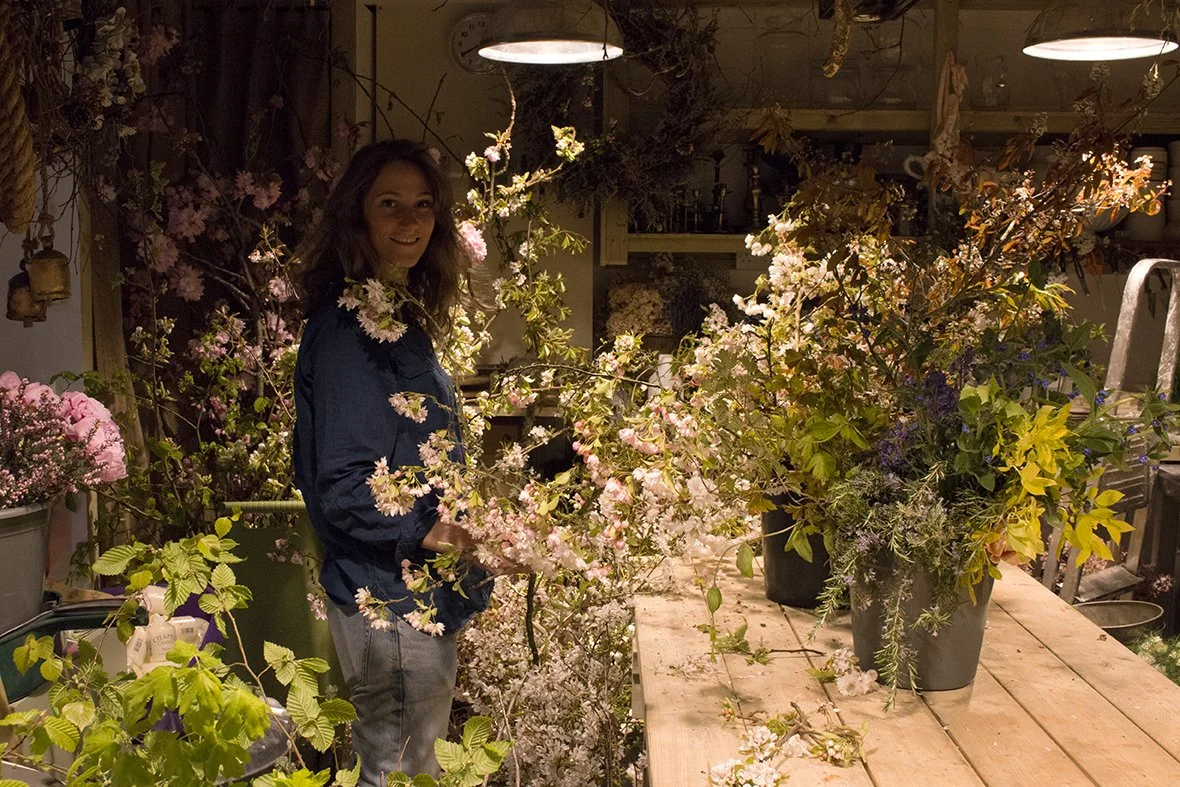
My sister and I started AESME STUDIO in 2015. Like many small flower businesses we felt our way into the industry by doing a little of everything - delivering bouquets, decorating shop windows, making arrangements for photoshoots, creating designs for weddings and parties. We cut our teeth, learning to do everything from driving vans to designing a website, managing a team to planning a cutting garden layout and growing and conditioning flowers. We practised rigorously and read every book about flowers we could get our hands on. After years of working in offices we relished the freedom and excitement of creating our own little world. Going above and beyond became the modus operandi in order to carve out a name and reputation for our fledgling business. At some point during the first couple of years we were asked whether we offered classes. And we said “yes, yes we do!”
Then quite literally operating as a kitchen table business, we will be forever grateful to those first intrepid souls who turned up at our London flats - convinced enough by our early blog and Instagram posts - and enthusiastically made arrangements with us as we tentatively explored new and rather unexpected roles as teachers.
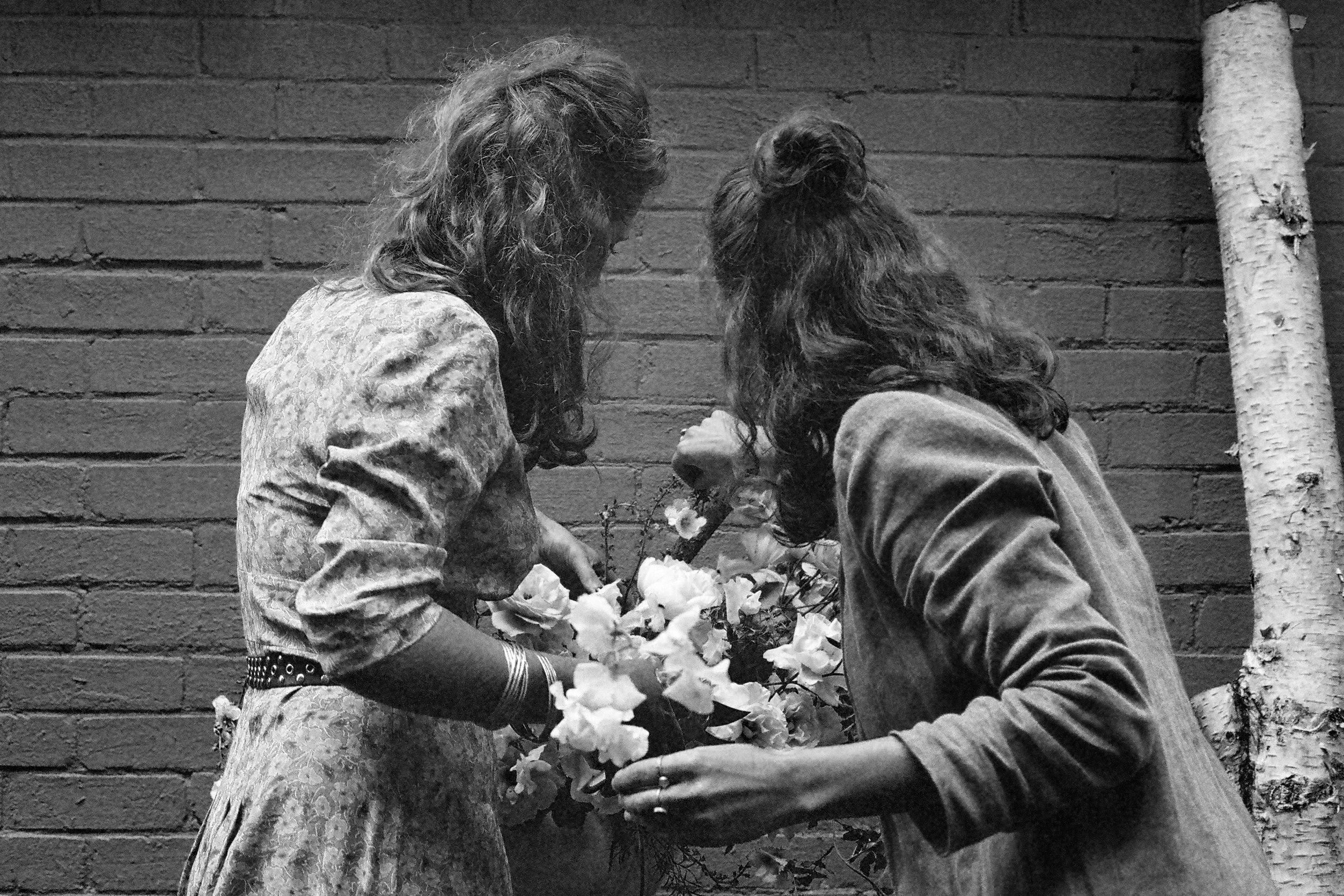
2016. Image by Katy Lawrence
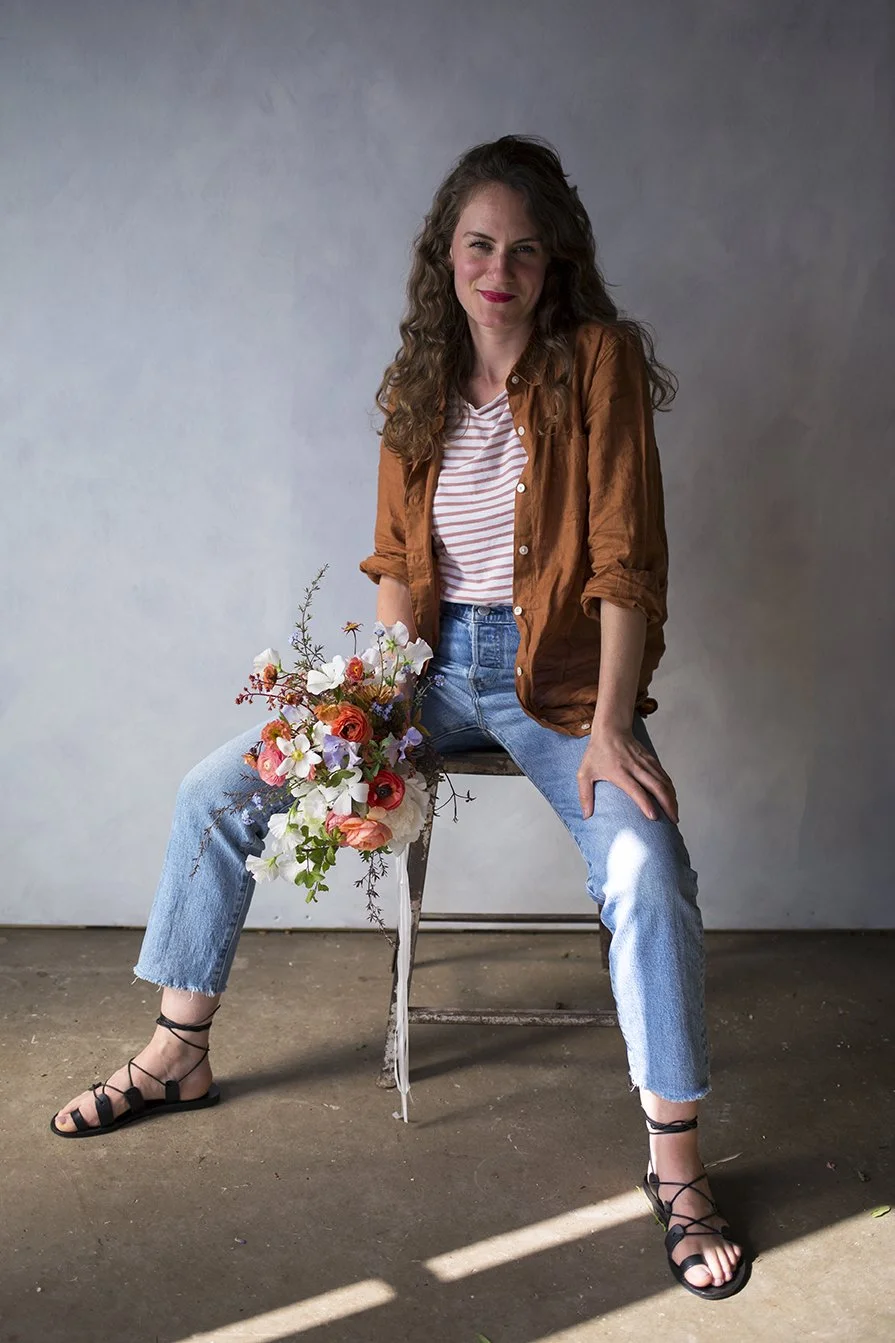
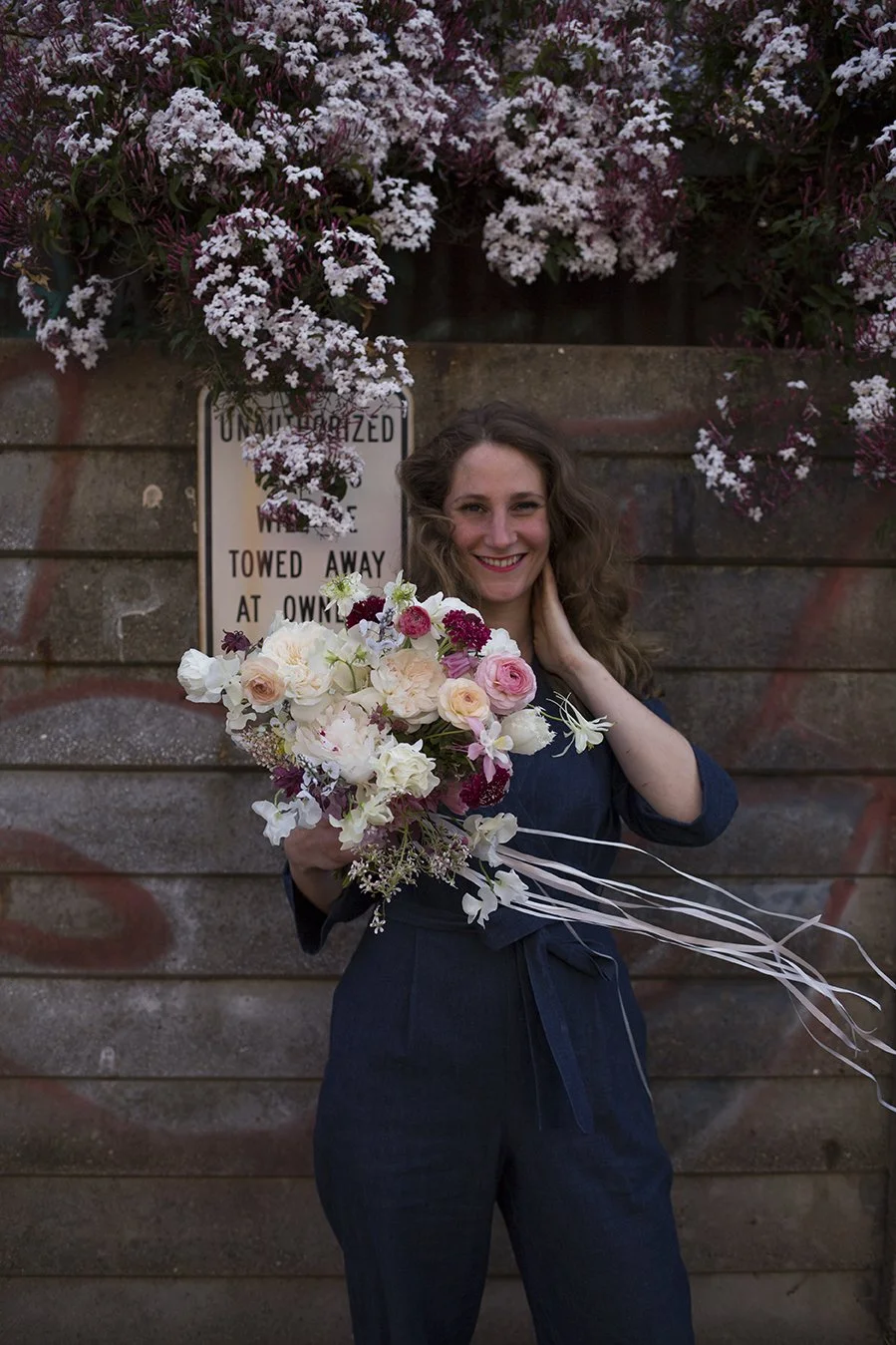
In 2017 we took over the lease on a dilapidated Victorian railway arch just north of Shepherd’s Bush Market in west London. Straight away we revelled in creating an environment and full ‘experience’ for students, especially somewhere as surprising as it was, with all the noise and concrete and the aromas of Ethiopian stew or cardamom coffee from the stalls drifting across the road. We had visitors from day one - before we were ready, before the paint was dry and there was still scaffolding up. I don’t think we even had any chairs at that point. It felt incredibly rewarding and validating: the slightly apprehensive faces tentatively coming down the little alleyway from the station, how people’s eyes would light up as they came through the door and saw the flowers, the way they’d deeply inhale the smoky smell of incense mingling with garden roses.
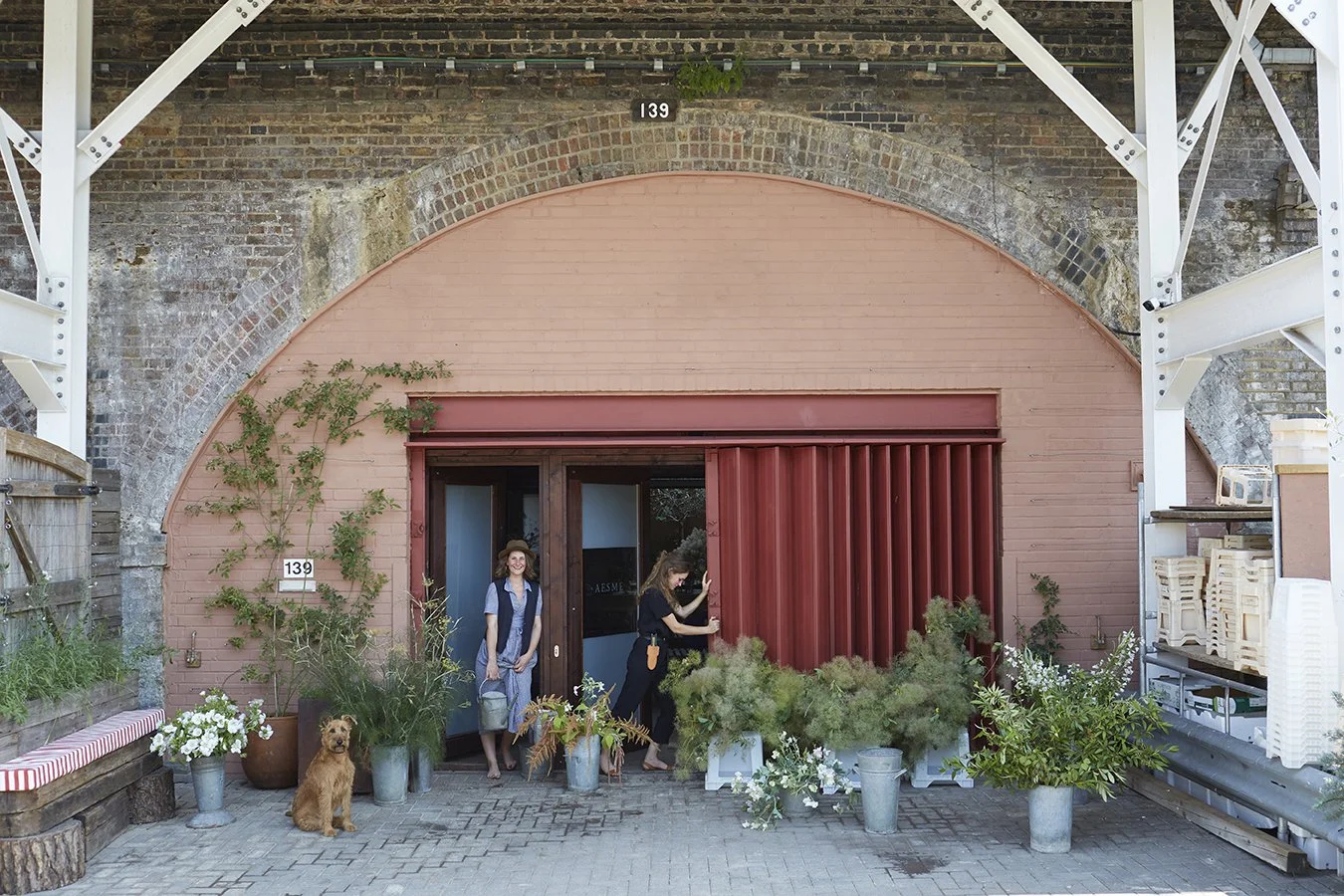
2018. Pushing back the concertina doors of the studio on a summer morning in Shepherd’s Bush. Image by Kristin Perers
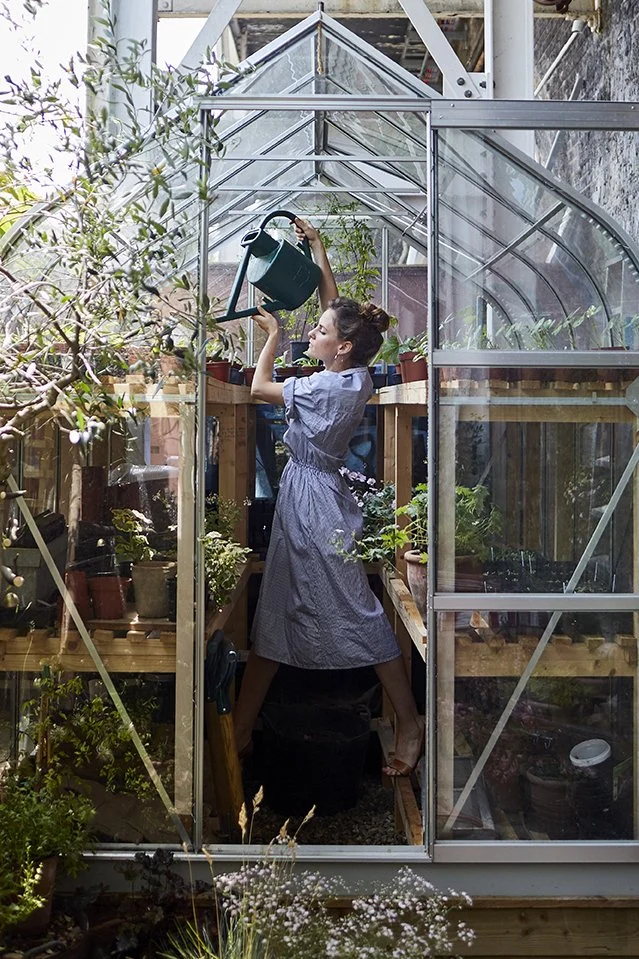
The first seedlings were grown in a greenhouse in the small back garden under the station platform above. Image by Kristin Perers
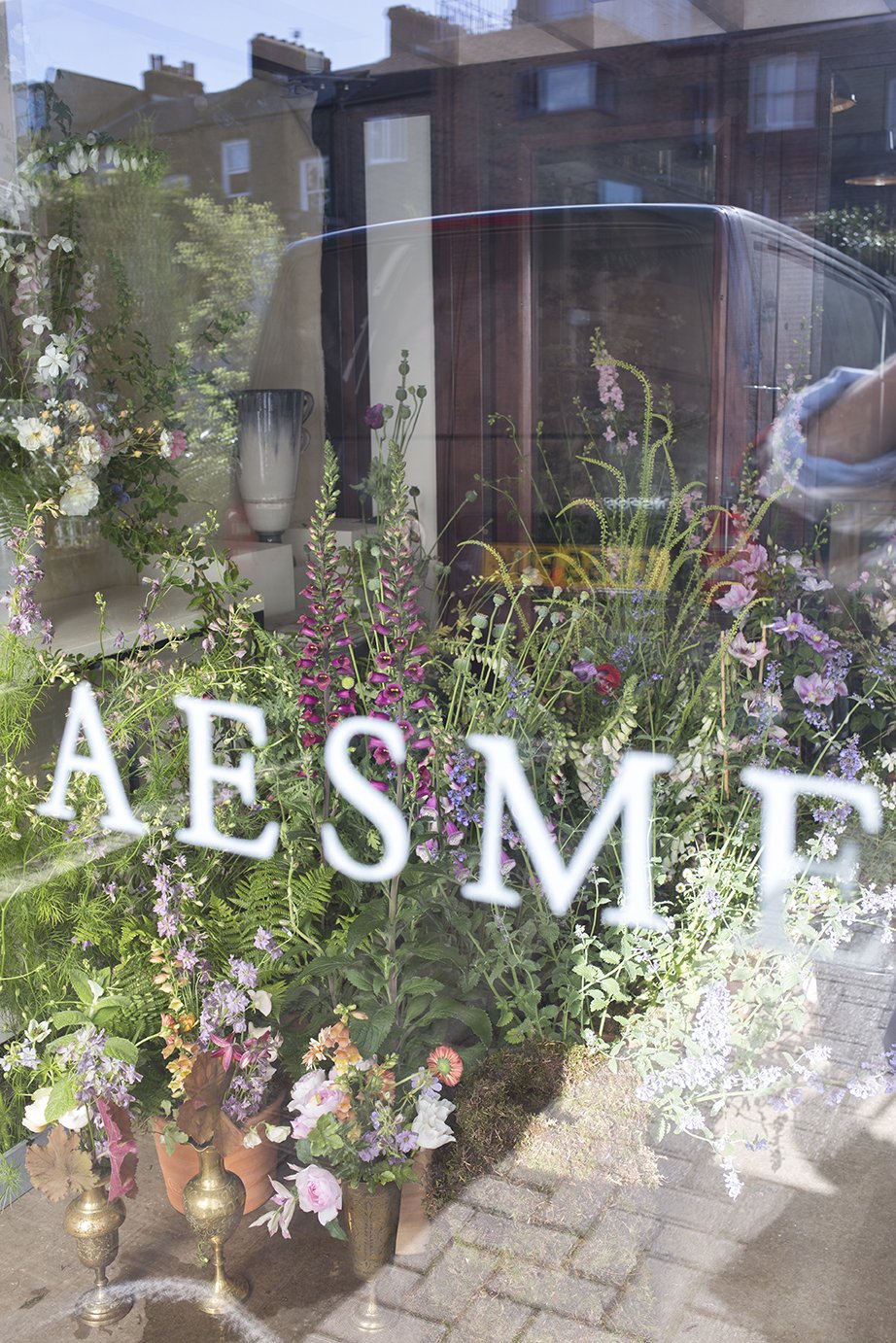
A summer spread from the garden with towering Digitalis x valinii ‘Foxlight Plum Gold’
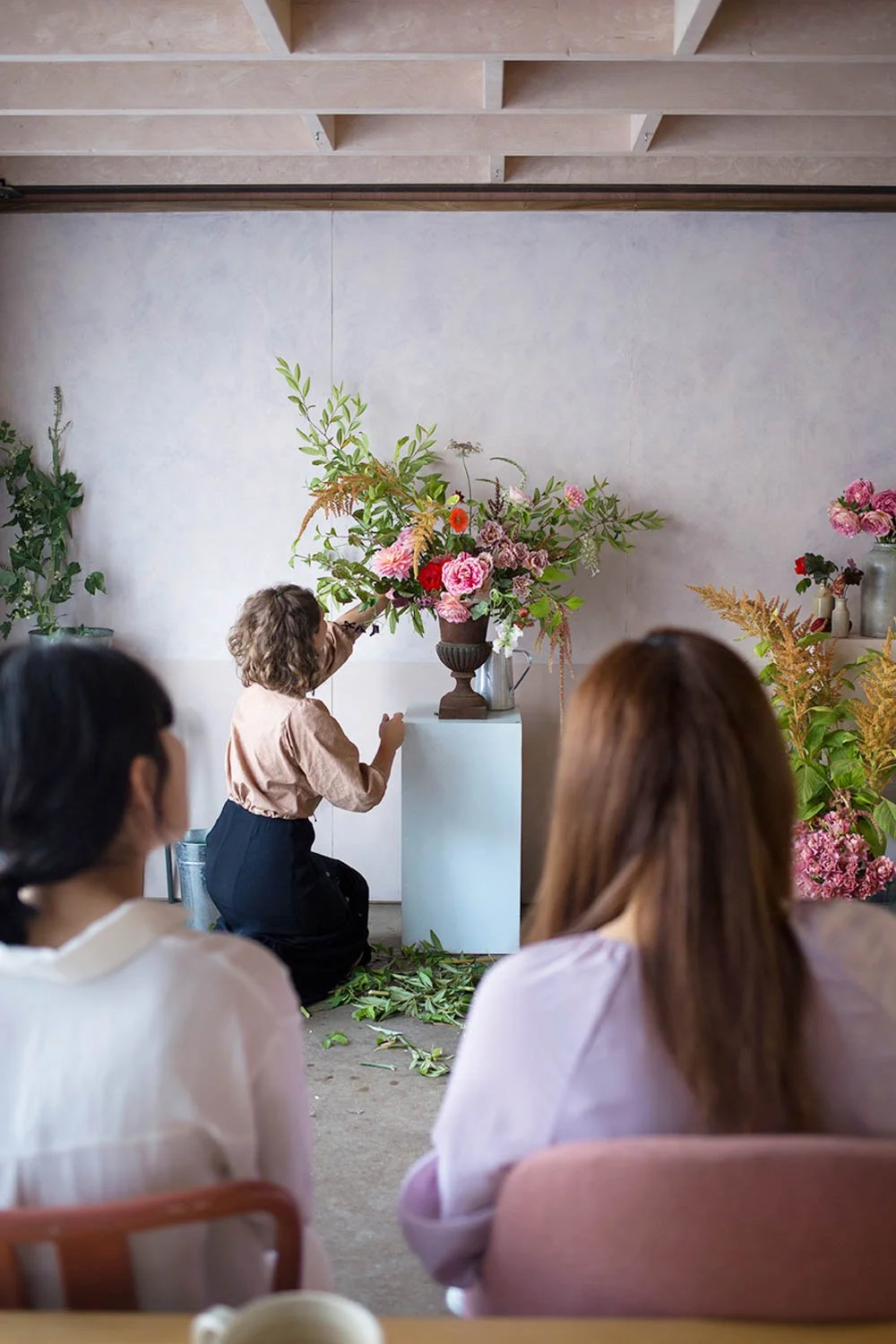
I distinctly remember the initially daunting experiences of teaching larger groups - twenty eyes expectantly watching the demonstration from across the room! It mattered a great deal to us from the start that every visitor left feeling full to the brim with ideas and information. We were by that point three years into developing a cutting garden a few hours west in the Hampshire countryside, now in a position to share with our students modest harvests of own-grown produce. As ever it was the materials that made everything make sense. THIS was what it was all about! Making a connection between plants and people, sharing our new found knowledge with those hungry for it - the names of each plant, how we had grown them, how it was possible to arrange them at different times of the year…
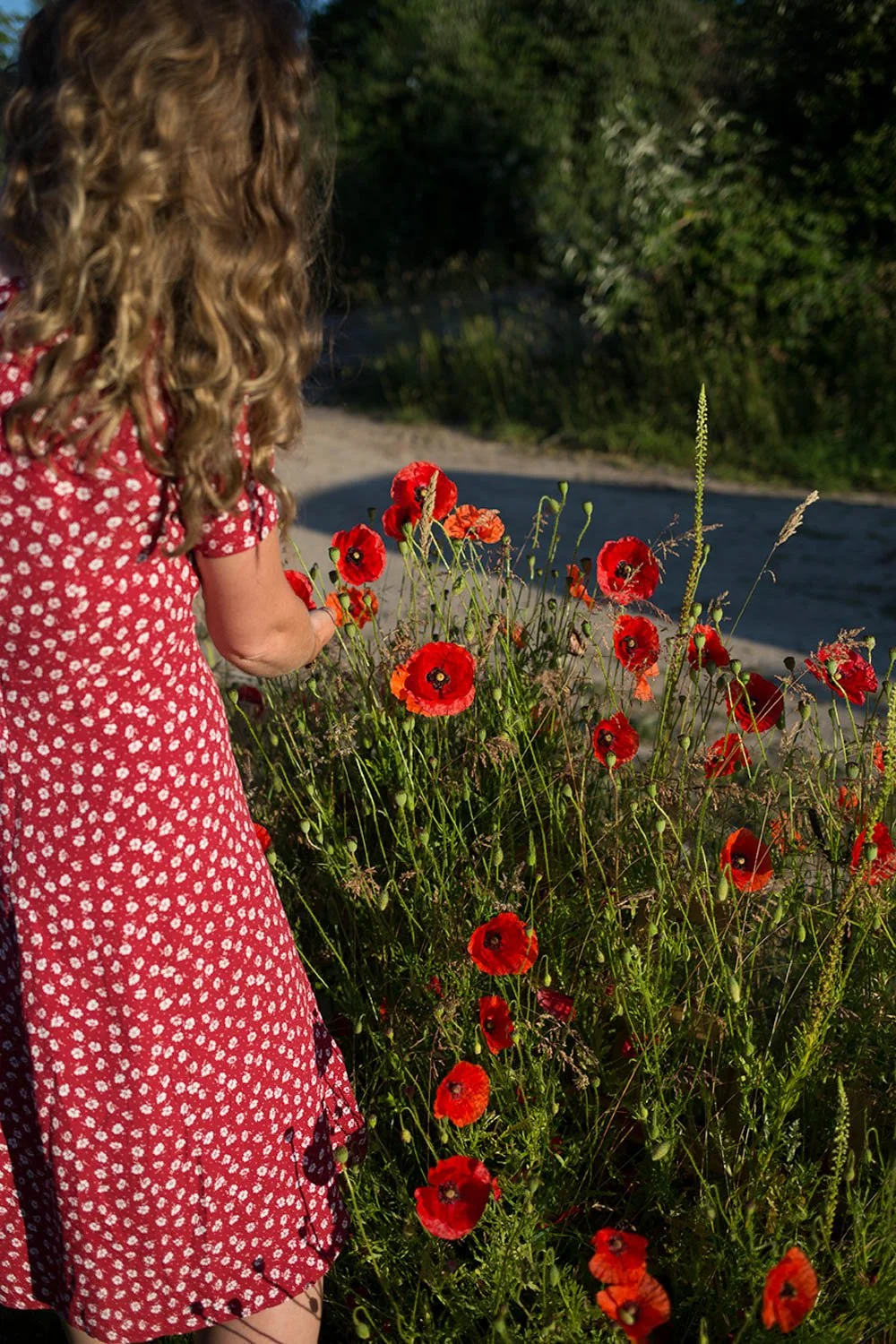
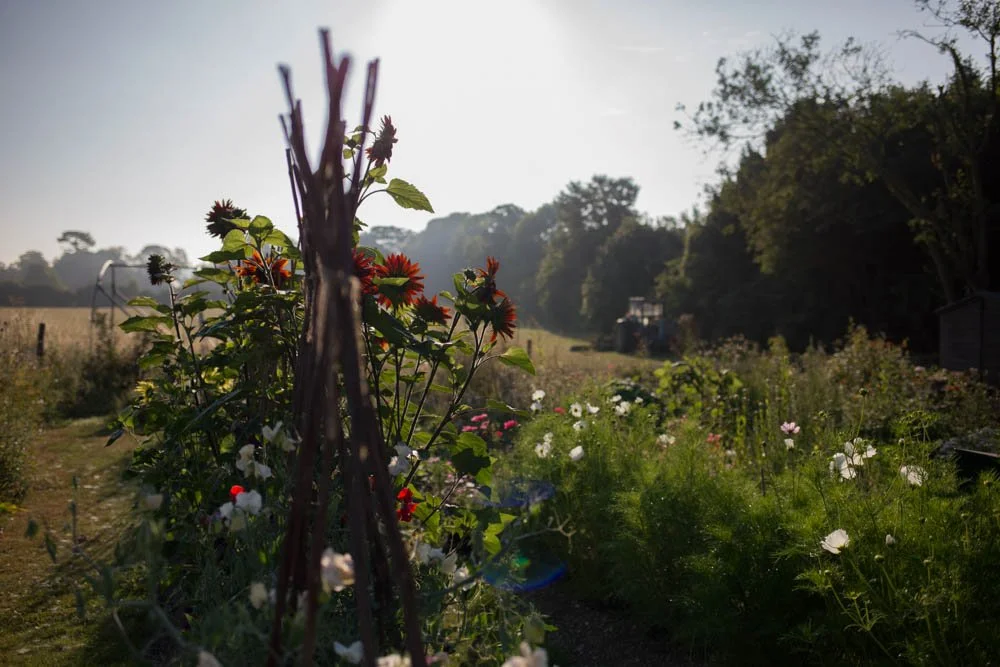
The cutting garden in its first incarnation with simple rectangular beds for cut-and-come-again annuals including sweet peas, sunflowers and cosmos and the skeleton of our first polytunnel behind.
It was entirely unanticipated that even early on, many of our students had travelled from overseas, not only from Europe but also the United States, Asia and Australia. As our knowledge of growing, arranging and teaching grew so we began to appreciate of the interconnectivity of humans and the natural world, the shared universal language of plants. In any workshop the multi national diversity of attendees could be reflected in the selection of flowers and foliage from the garden: sacred bamboo (Nandina domestica) from eastern Asia, the California poppy (Eschscholzia), Korean chrysanthemum, Siberian iris (Iris siberica), Persian lily (Fritillaria persica) native to the rocky outcrops of the Middle East.
After a while we were fortunate and delighted to be invited to travel and teach abroad - South Korea, Italy, France, Kenya - and to host retreats and workshops in venues around the UK. During the 2020/21 pandemic and the time this unexpectedly afforded us, we took the opportunity to explore and develop a garden-to-vase philosophy, studying and researching to deepen our understanding of design theory and garden inspired arranging. We spent a lot of time working in the garden, experimenting with new materials. Our desire to continue learning fuelled our desire to continue teaching, and while restrictions prohibited us from meeting face-to-face we took our lessons online, developing the first of our online courses.
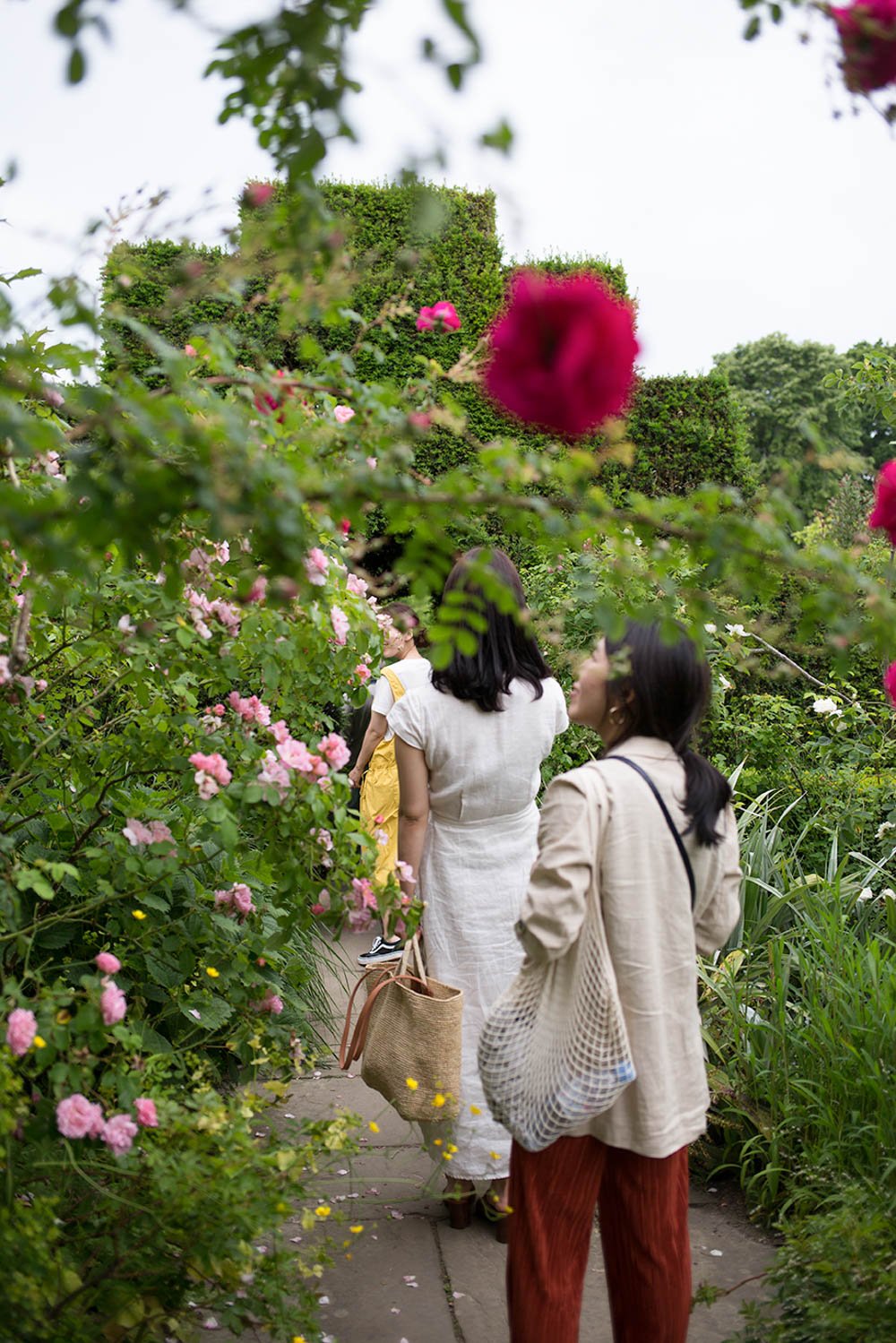
Introducing guests from South Korea to the magical gardens at Great Dixter
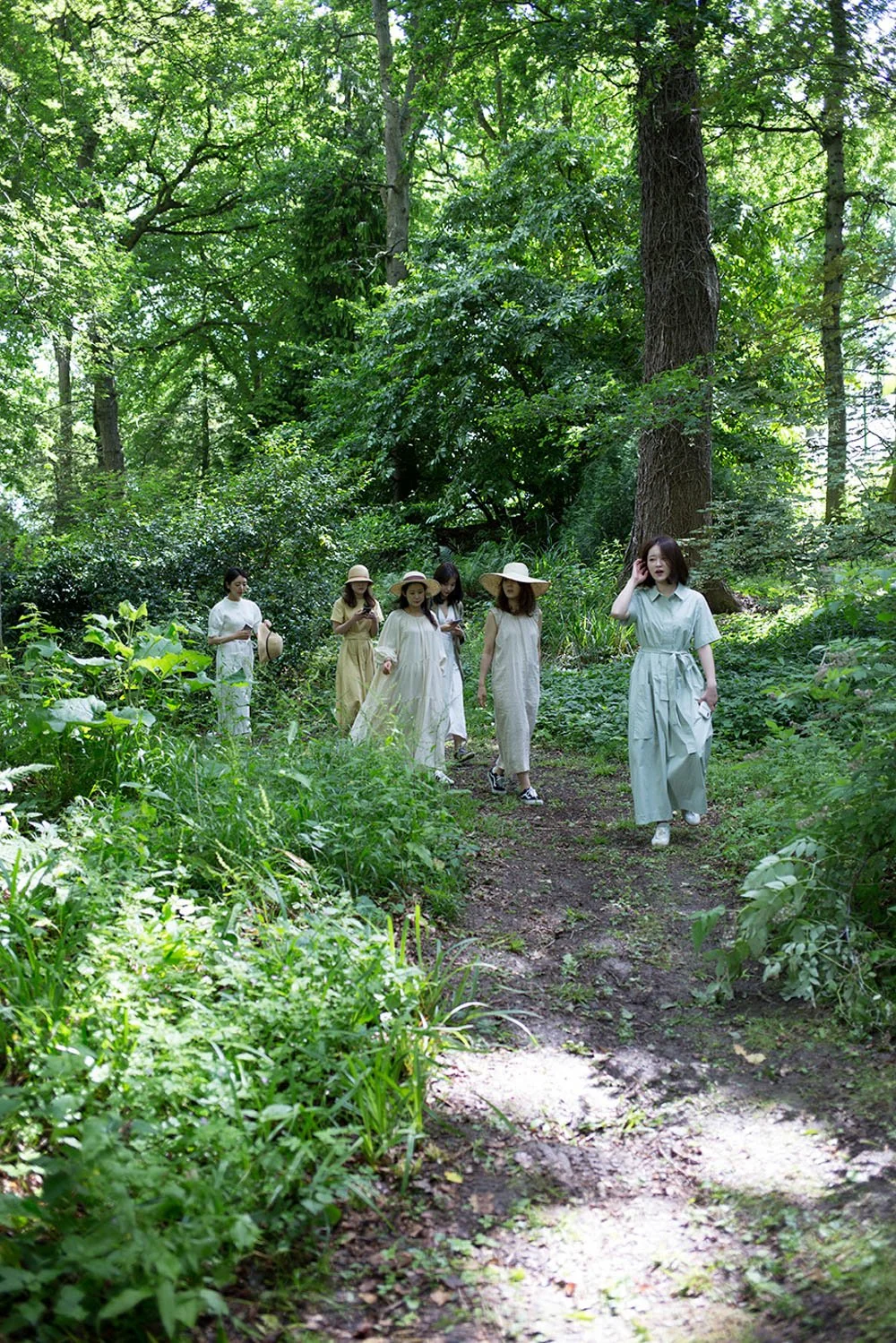
Down into the dingly dell - exploring the magical Secret Garden at the Woodshed in East Sussex
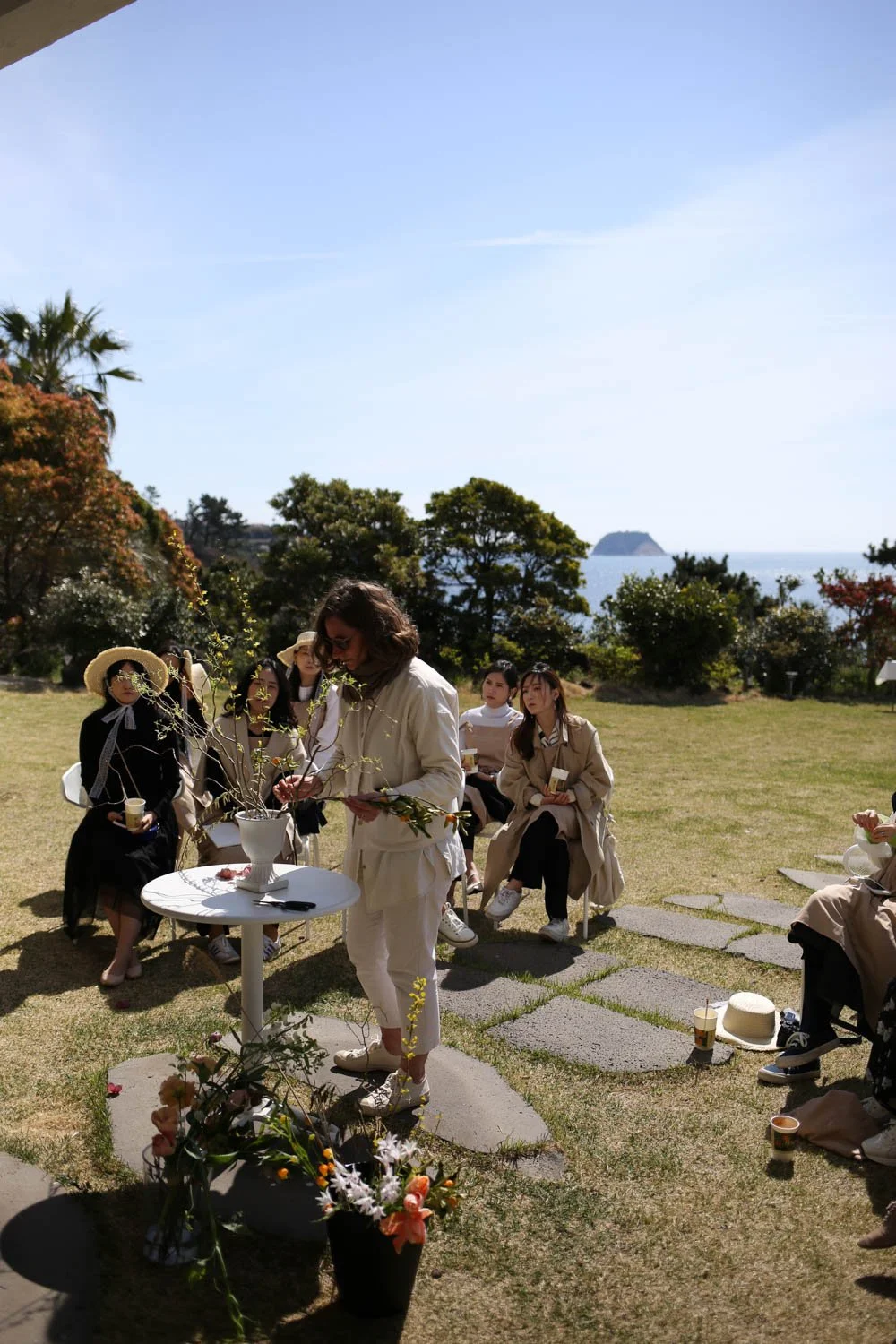
Arranging with a sea view on Jeju Island off the coast of South Korea
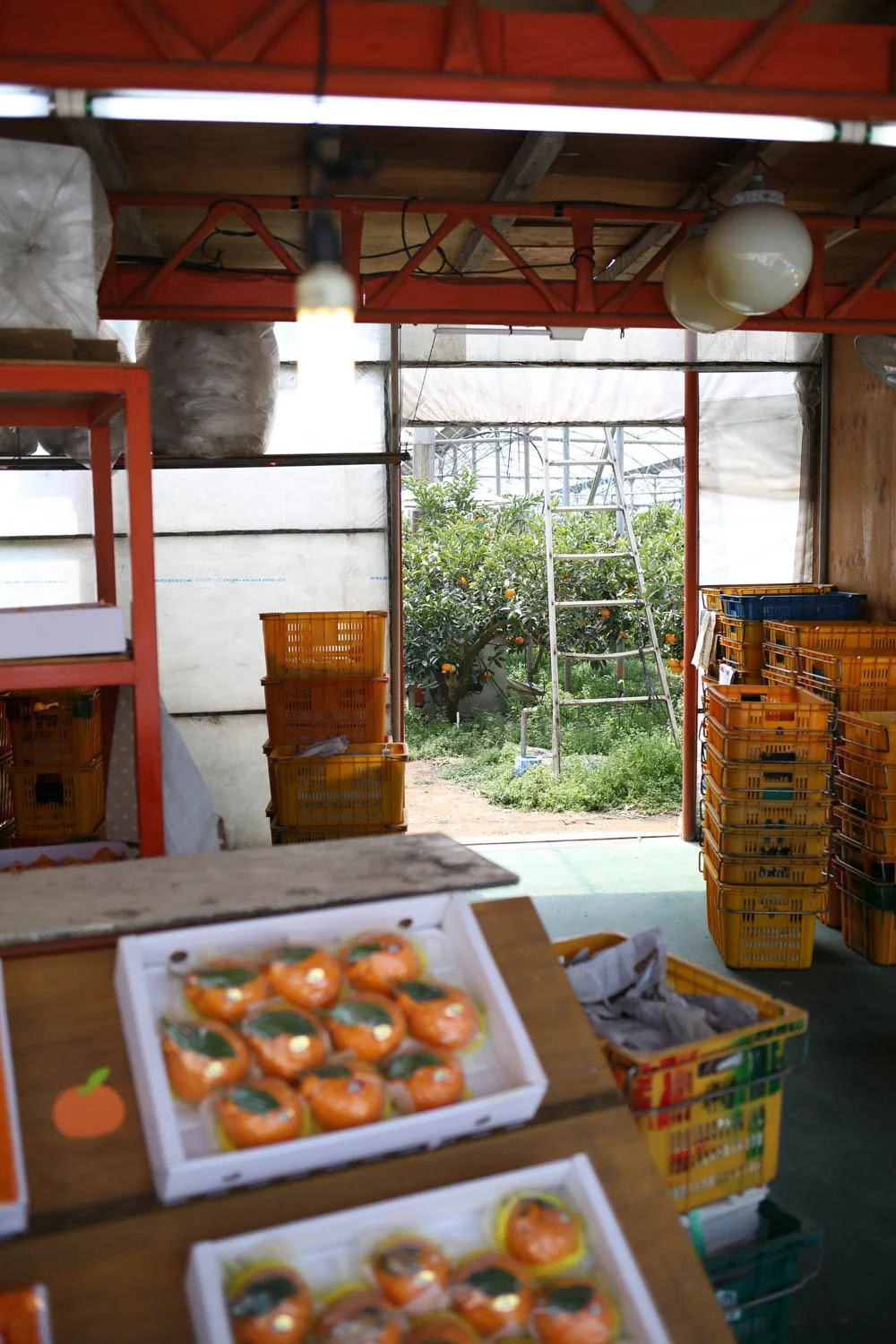
Volcanic landscape and citrus orchards - visiting a mandarin farm
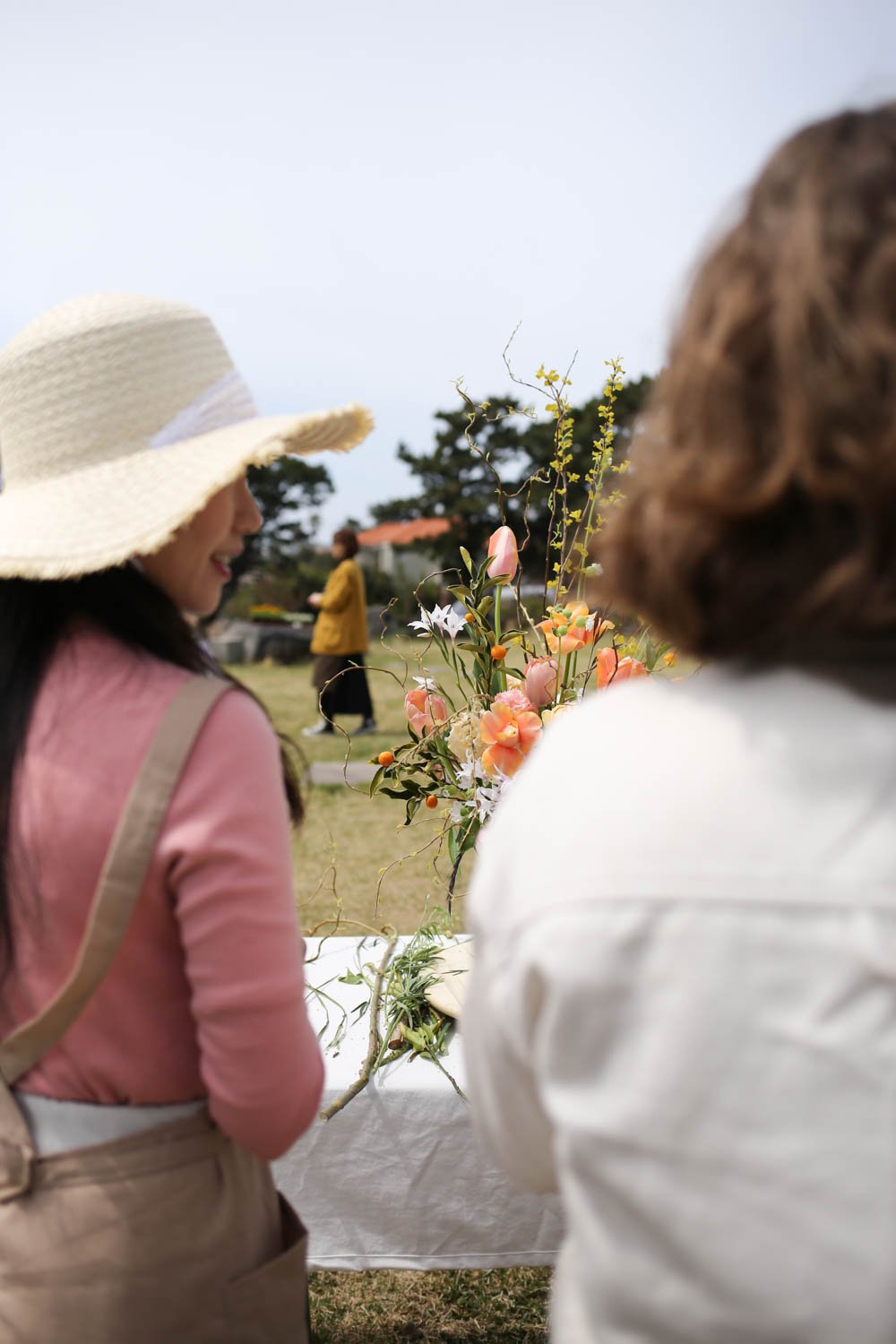
Talking with Korean florist Maya, who went on to start her own cutting garden
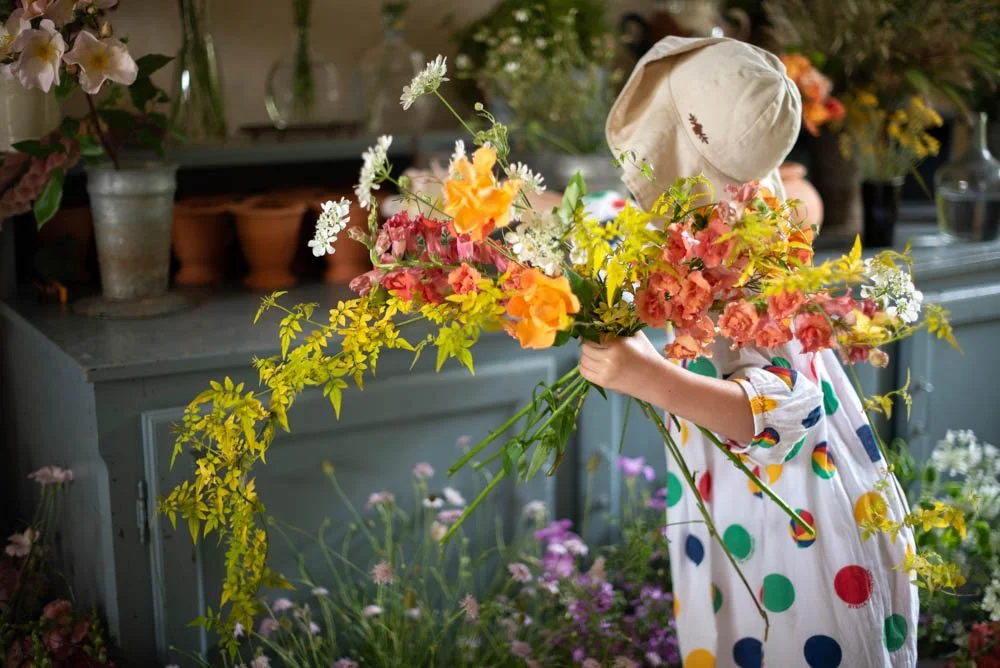
Our workshop guests have ranged from eight to eighty plus and are always an interesting mix of people from a diverse range of ethnic and professional backgrounds. This little girl accompanied her mother, a cutting garden designer, to a workshop in Provence where she made an amazingly accomplished and exuberant bouquet in shades of lime and coral.
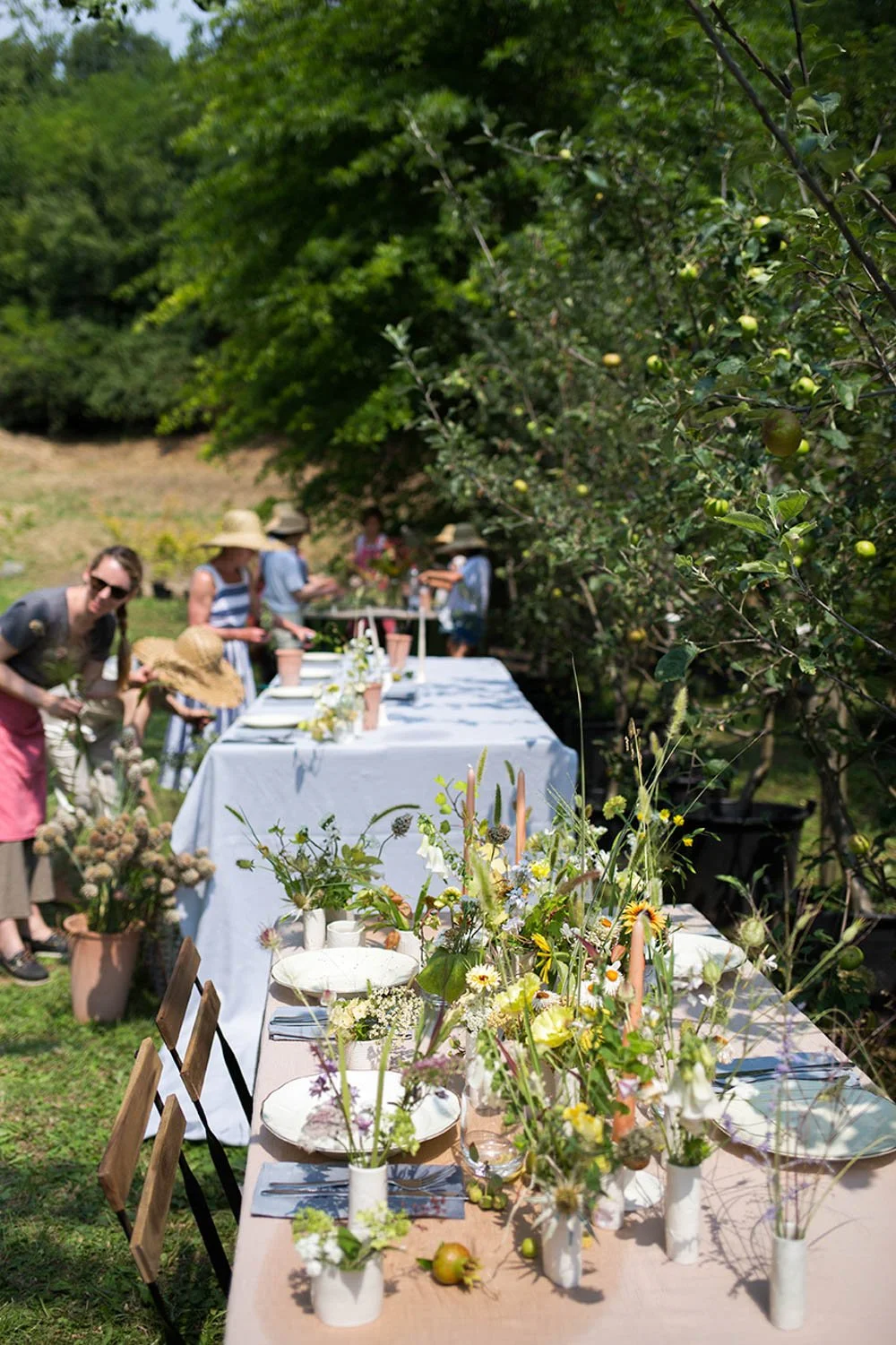
Dressing tables in the countryside near Lake Como
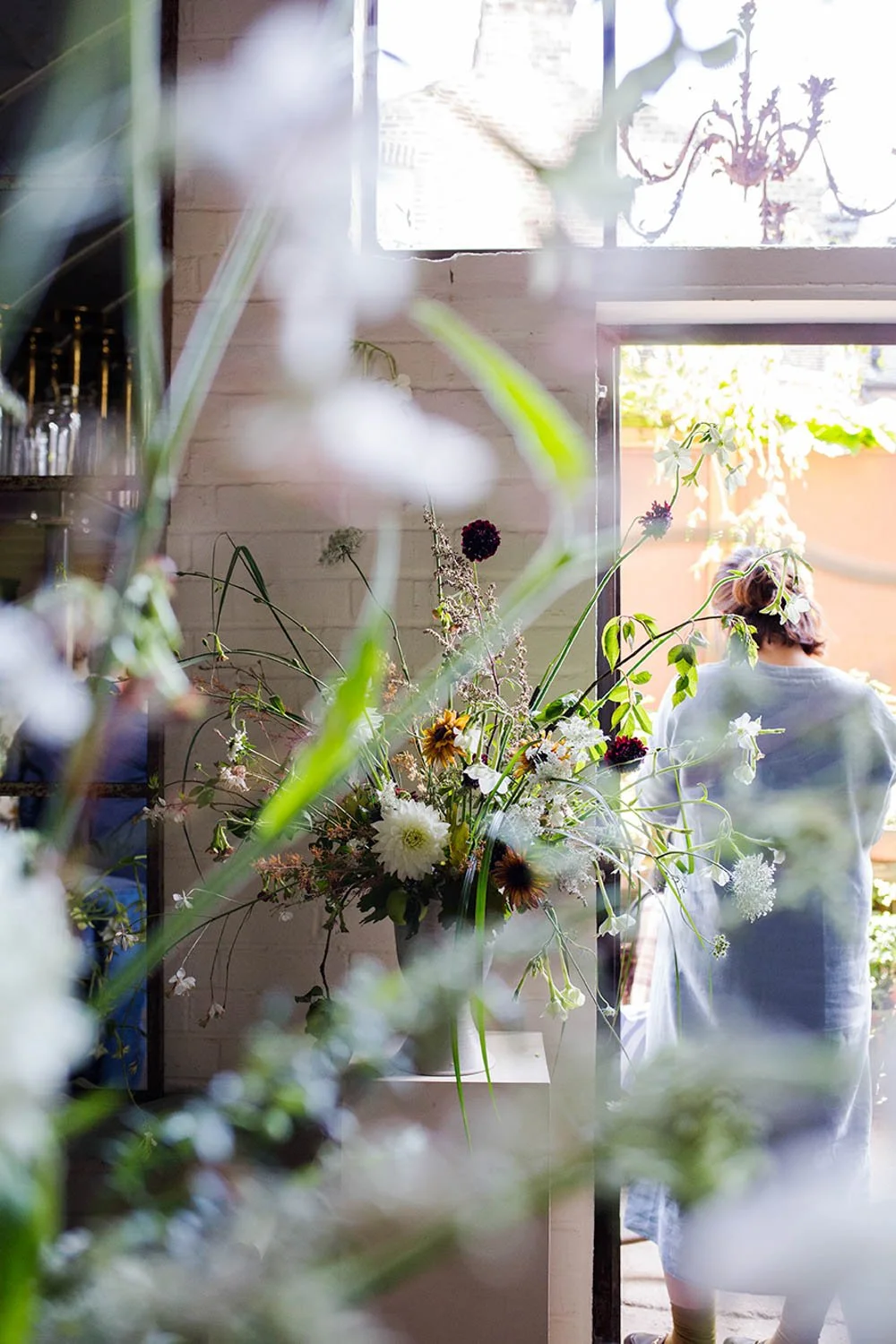
Early autumn at the studio in London
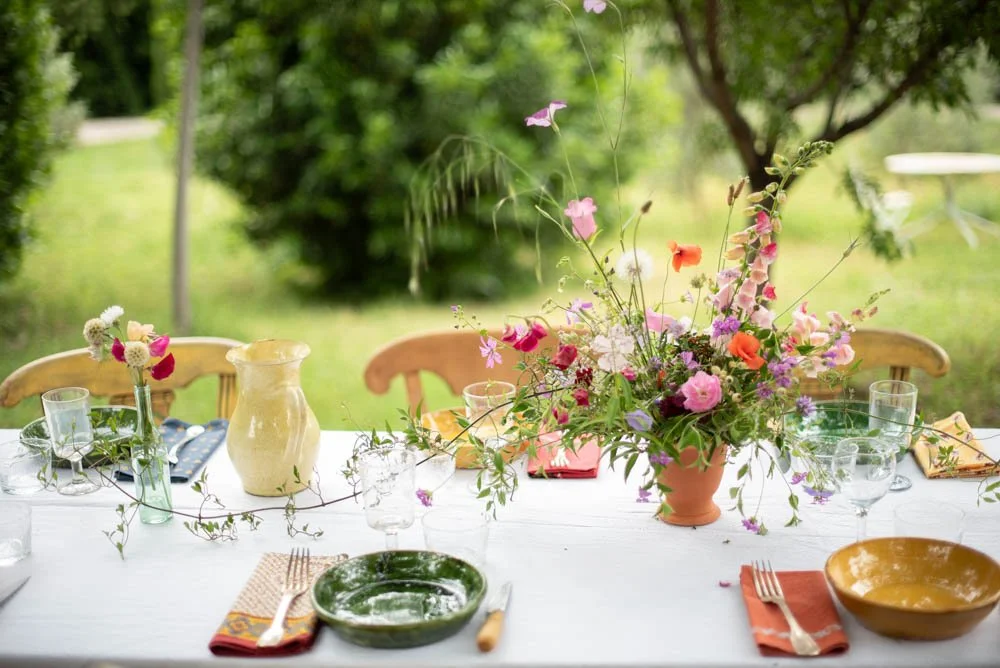
Lunch alfresco at Les Terres de Pierre with flowers grown by local farmers and trailing Clematis flammula
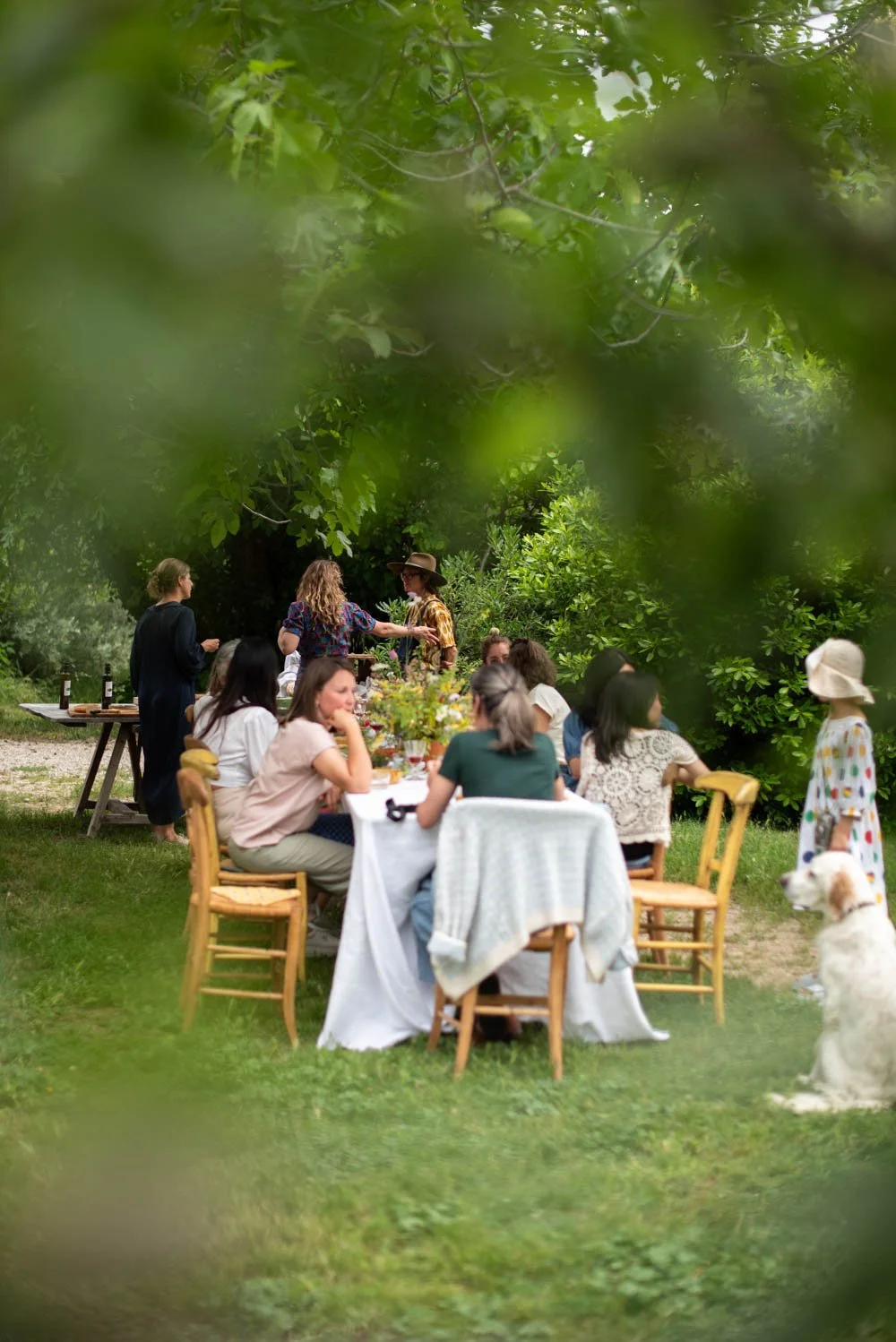
Enjoying conversation and the excellent cuisine of William and Prune Revoil with olive oil from the surrounding orchards
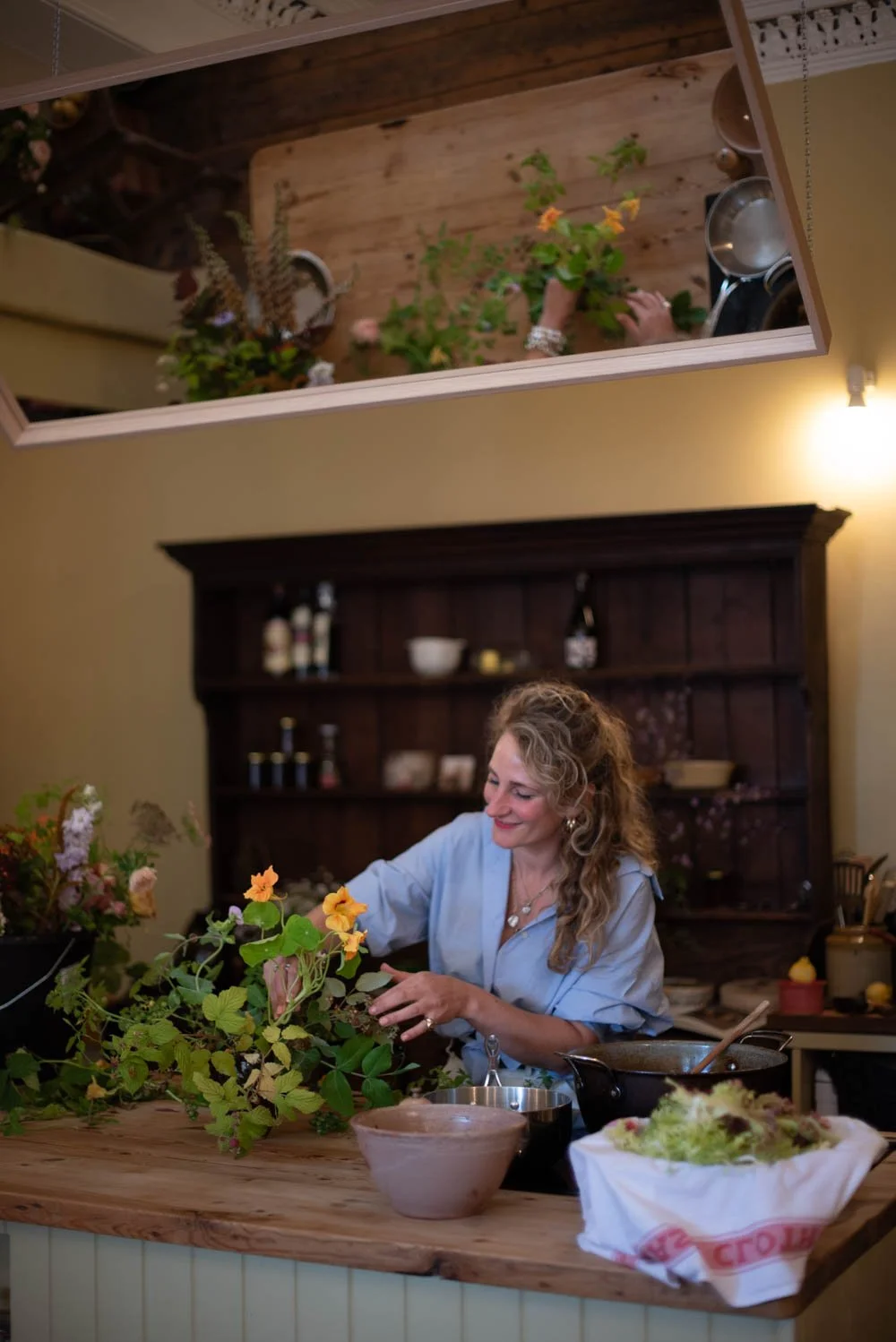
Late summer in Scotland: teaching a Food & Flowers workshop at Elliott’s, Edinburgh with flowers from the walled garden of Fiona Inglis at Pyrus
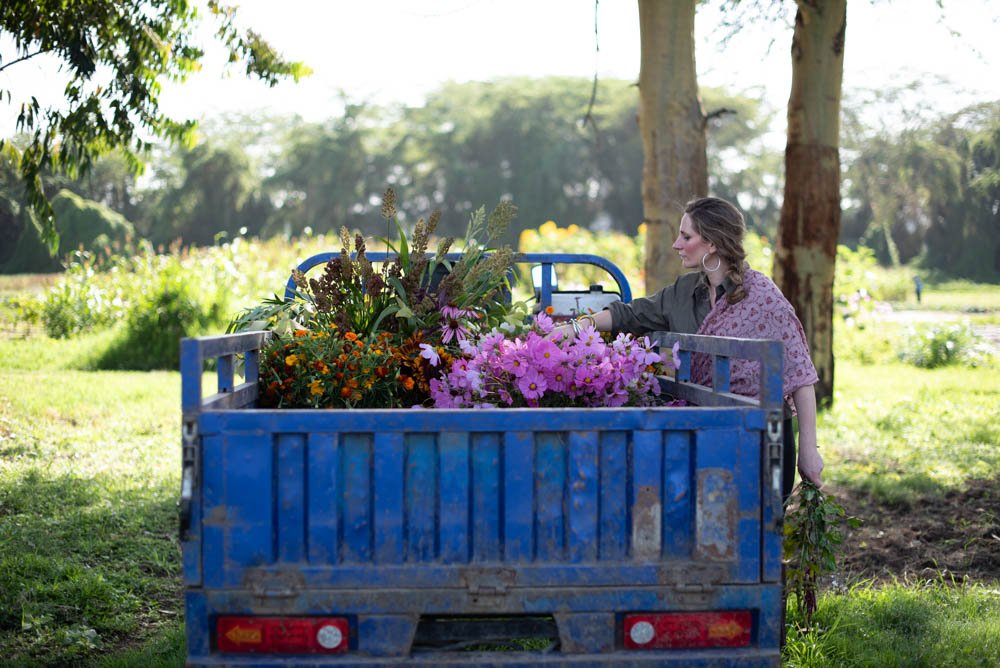
Early morning harvest in East Africa in preparation for a workshop at Ecoscapes for the Kenya Horticultural Society
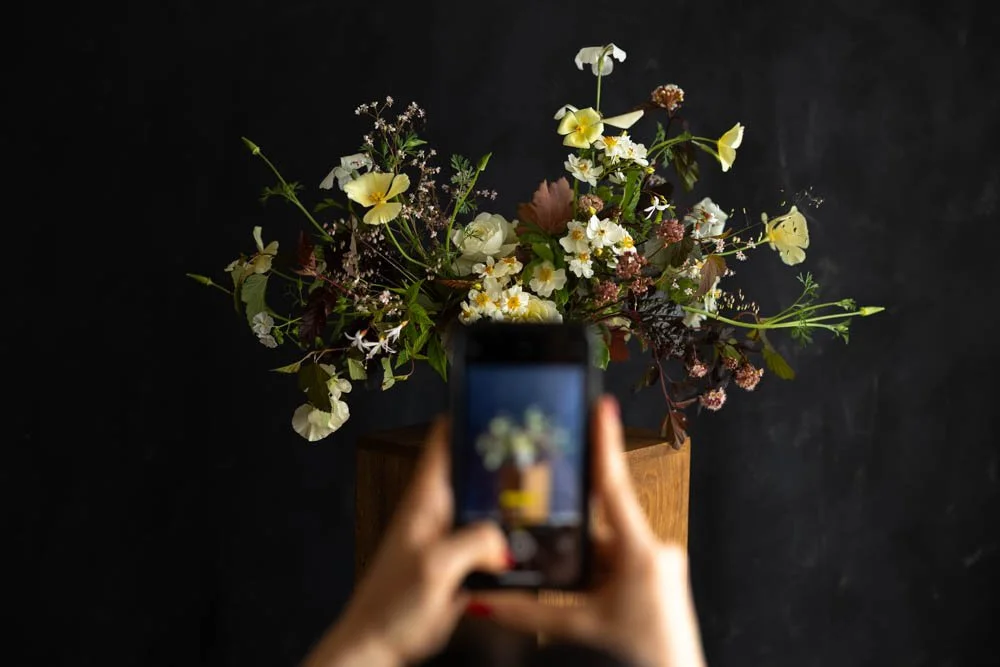
Lemon, plum and cream - the results of a creative session at the studio in London
When we look back we realise that every year we have been devoting ourselves more and more to our roles as educators. In 2025 AESME STUDIO turned ten. We took this as a cue to clarify the future vision for the business. In 2026 a new chapter begins with the AESME SCHOOL OF FLOWERS. In many ways things are much the same, the incense still swirls in the entrance of the arch, sunlight pools in the back window and spills onto the workbenches. But this also feels like the beginning of a paradigm shift - a wholehearted dedication to a version of floristry that is deeply rooted in positive change.
In the process of writing the 2026 class programme, we’ve distilled our ethos into a manifesto, laying down the guiding principles of AESME: Artistry, Ecology, Seasonality, Materials and Expression.