
THE HIGHLINE, NYC
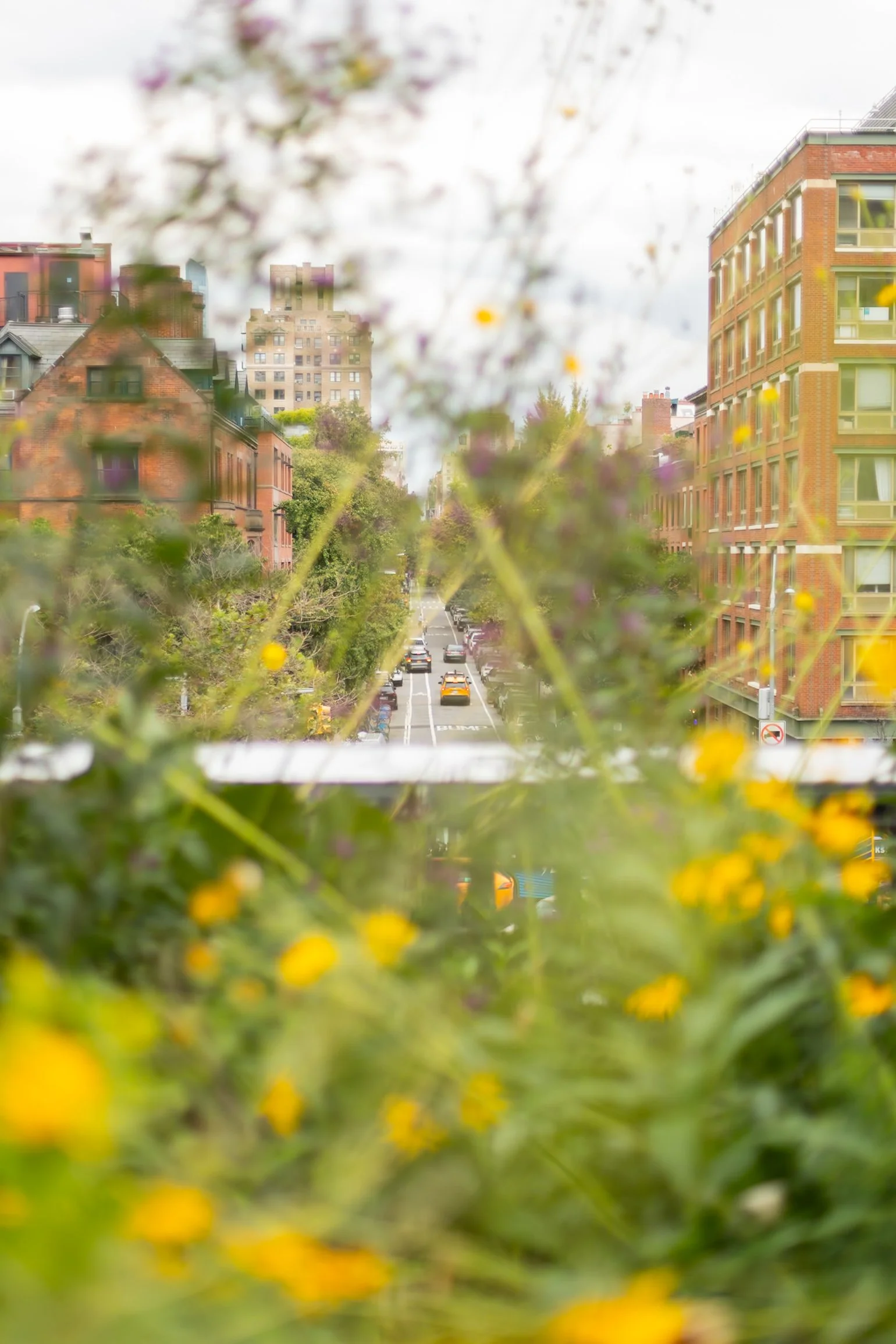
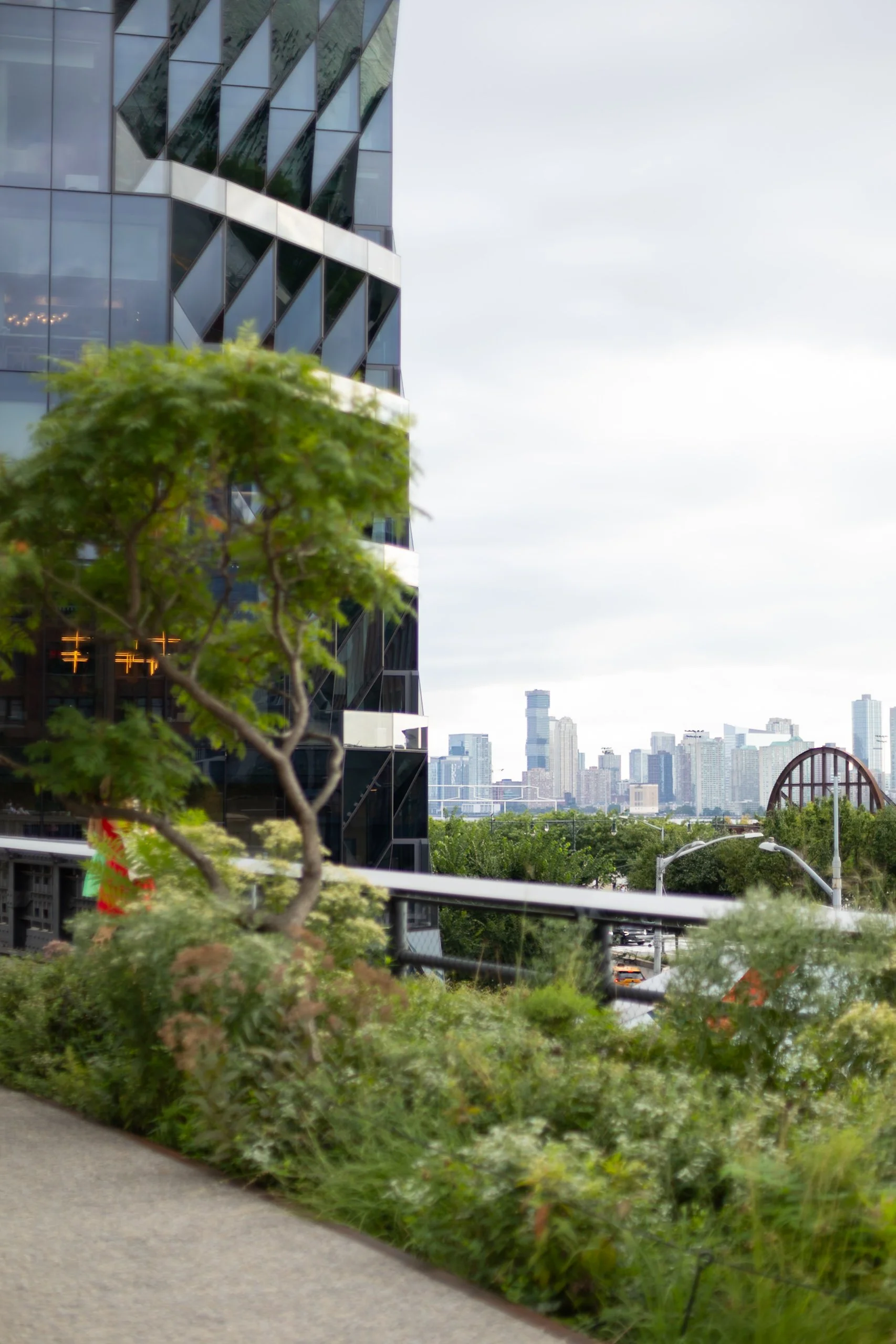
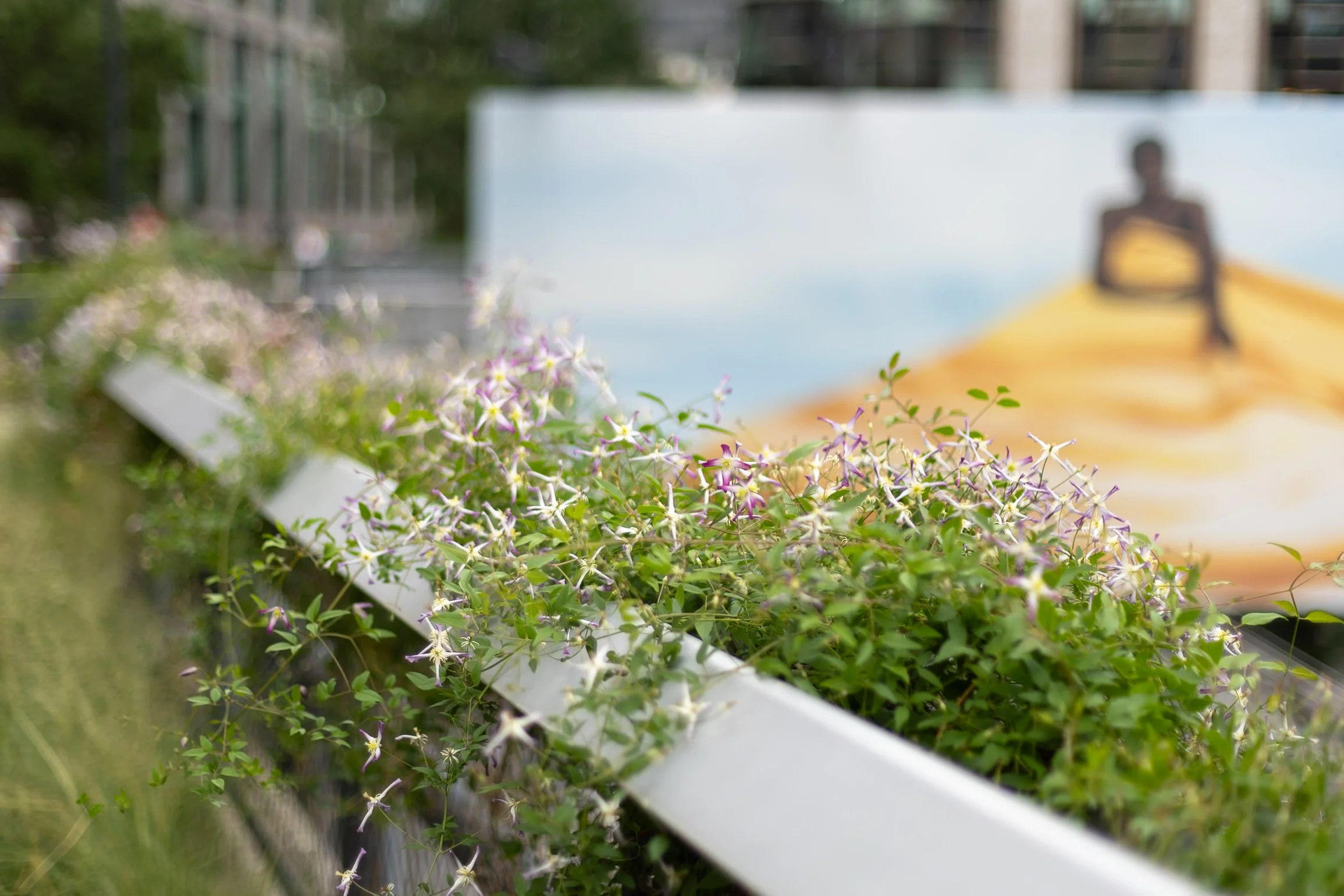
One sultry afternoon in New York, Jess and I walked most of the length of The Highline.
Constructed during late 1920s and first opening in 1933 as the ‘West Side Elevated Line’ for transporting produce, the original railroad was gradually abandoned in favour of trucking and by the 1980s sections were being demolished. Over the following decades the disused space became home to a self perpetuating garden of wild plants and in 1999 Joshua David and Robert Hammond founded Friends of the High Line, a non-profit conservancy, to advocate for its preservation and reuse as a public space. An international ideas competition elicited hundreds of ideas for what to do with the space and between 2004-2006 Landscape architecture firm James Corner Field Operations; design studio Diller Scofidio + Renfro; and planting designer Piet Oudolf were selected as the team to transform the High Line with sections opening every few years since. It is now one long continuous 1.45 mile-long green belt with over 500 species of plants and trees.
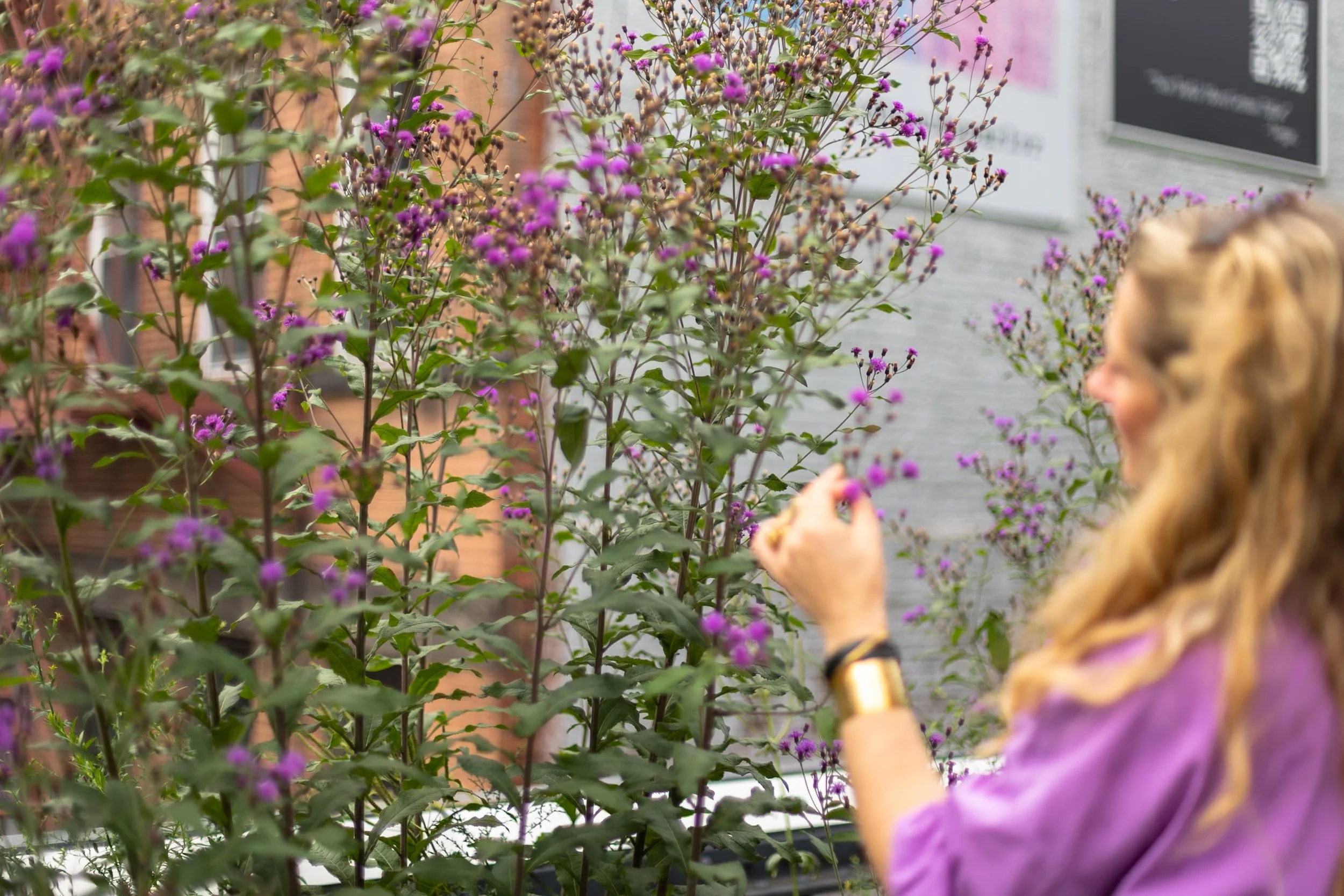
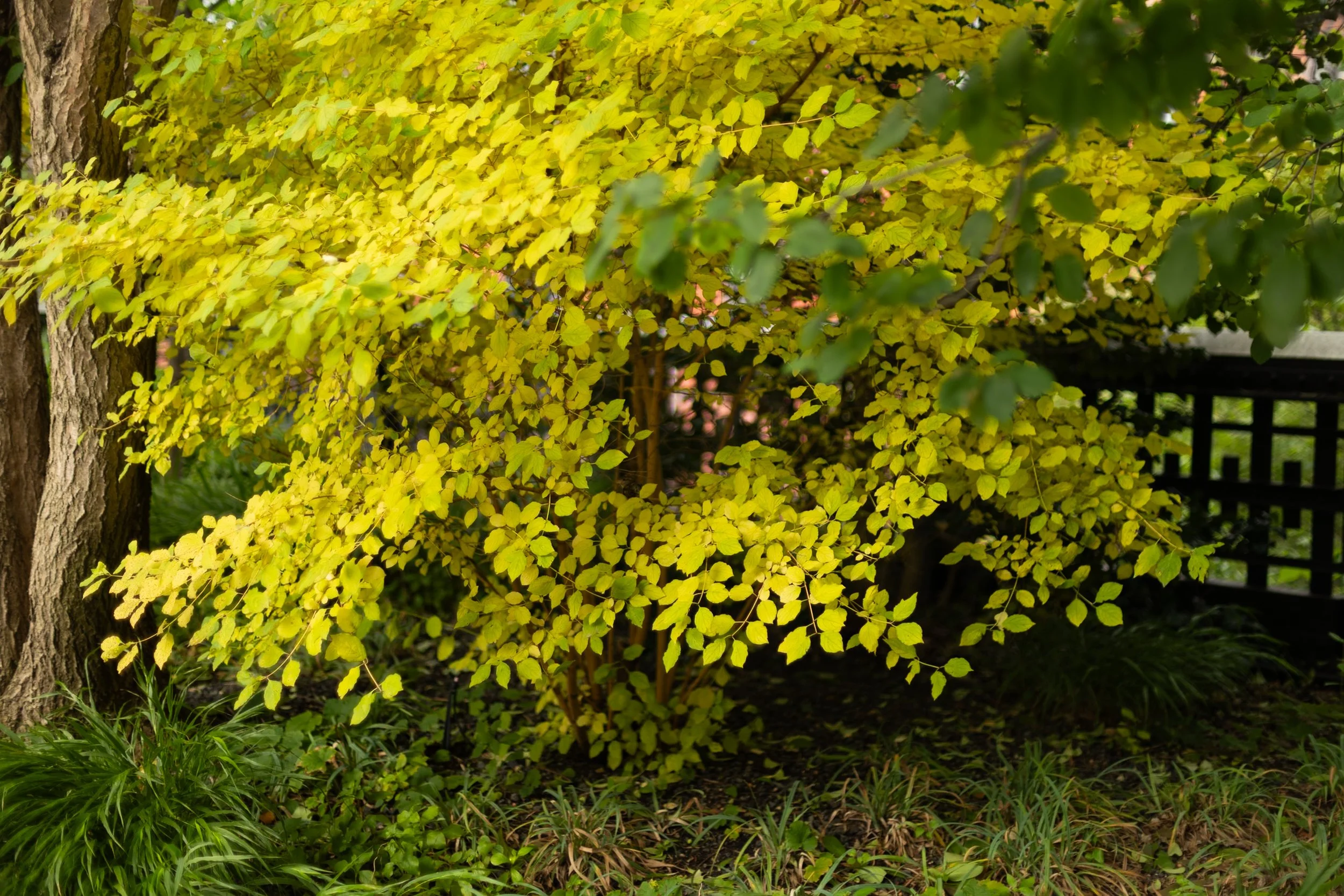
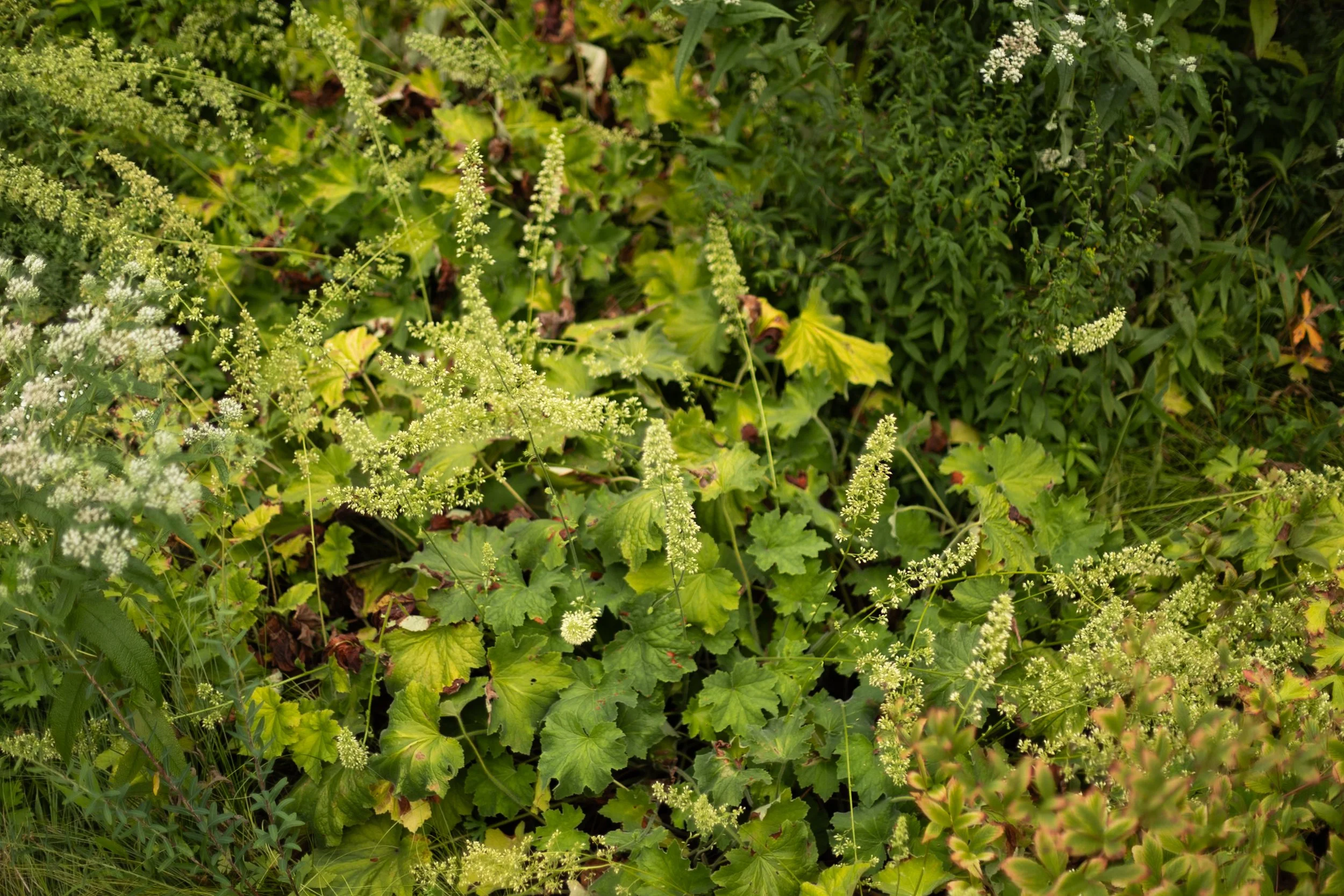
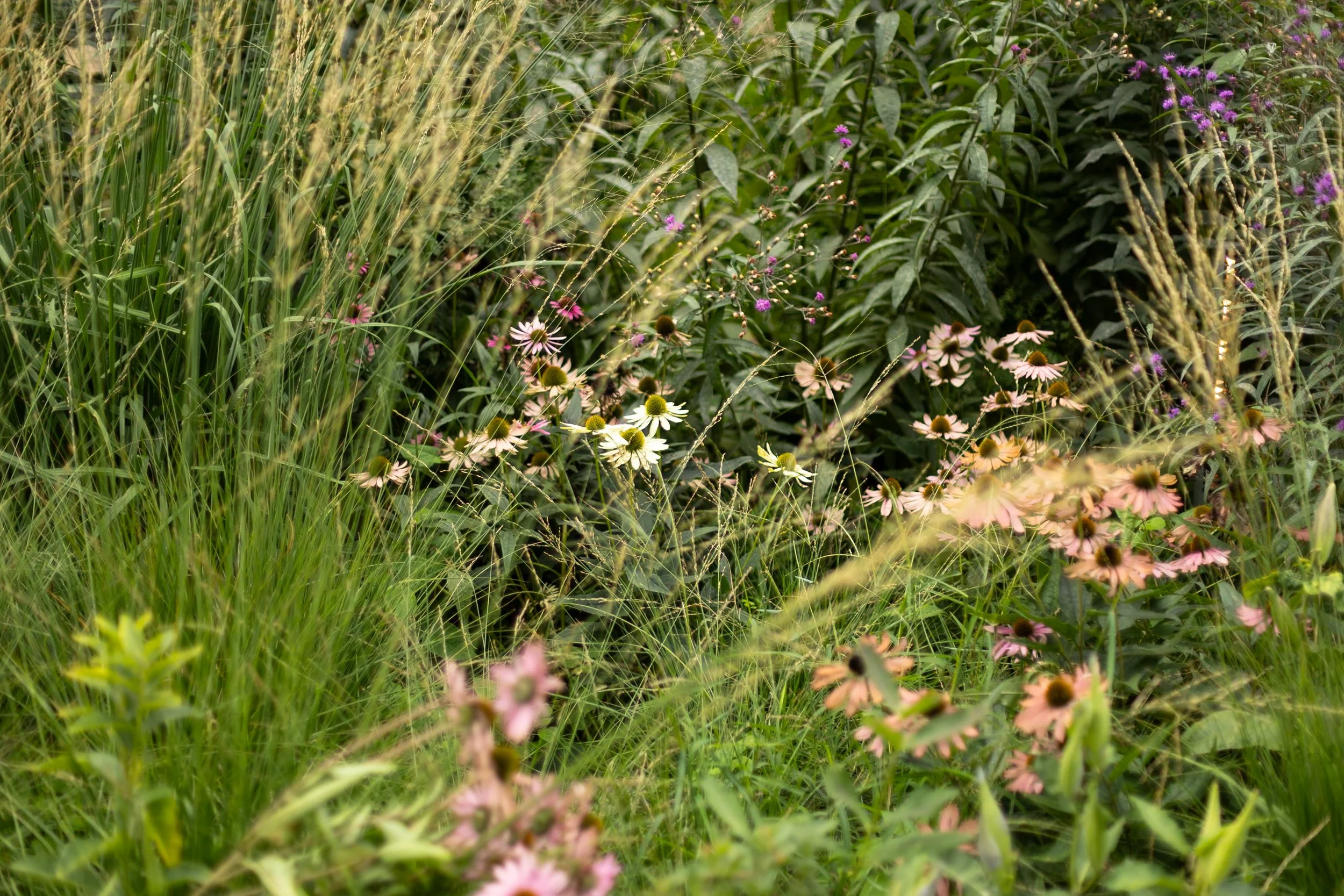
Garden designer Piet Oudolf was inspired for the planting by the self-seeded landscape that had already taken root and thrived along the disused railroad for the twenty-five years since its gradual abandonment. The result is a naturalistic, resilient and utterly unique, weaving through the city above the avenues and traffic below.
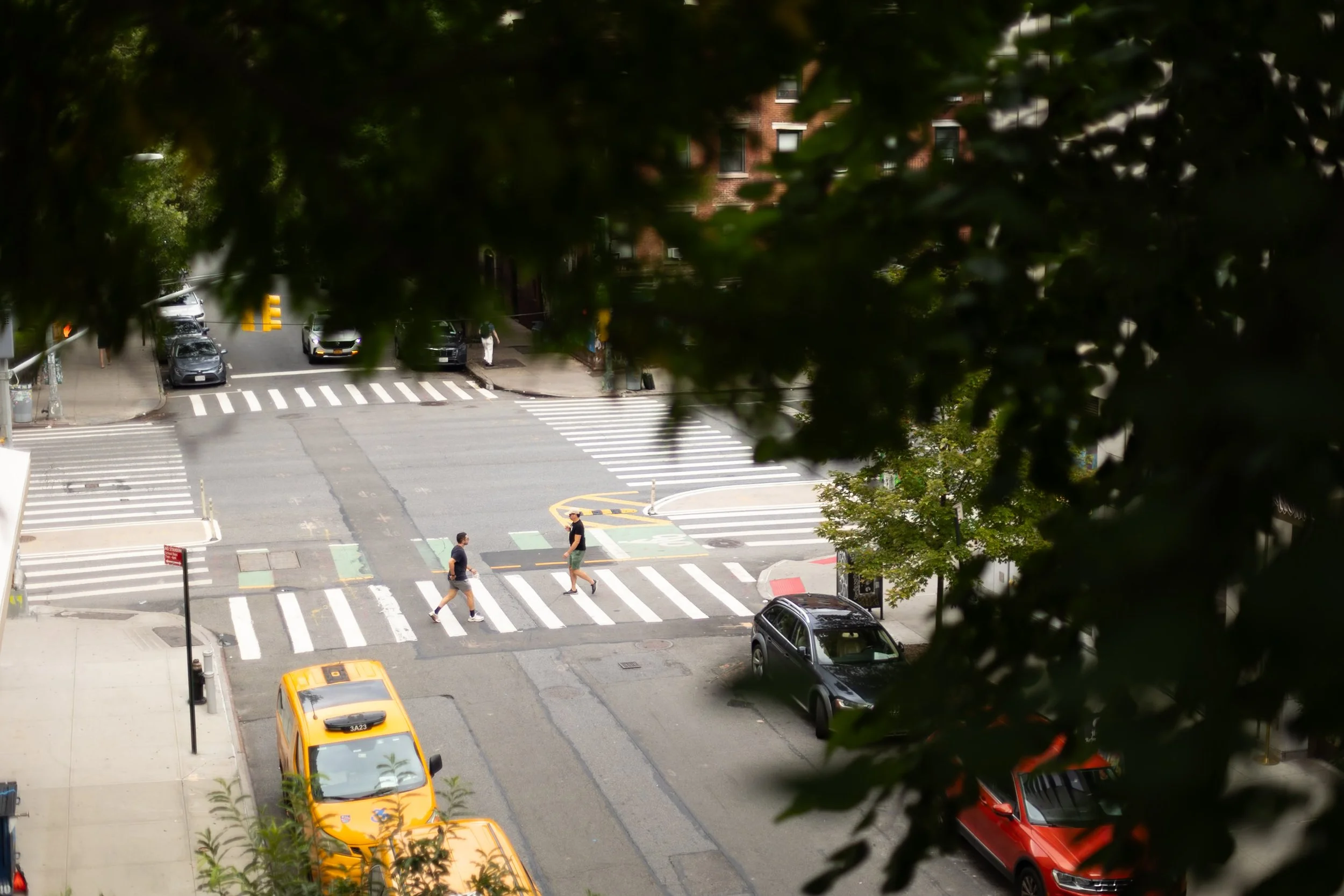
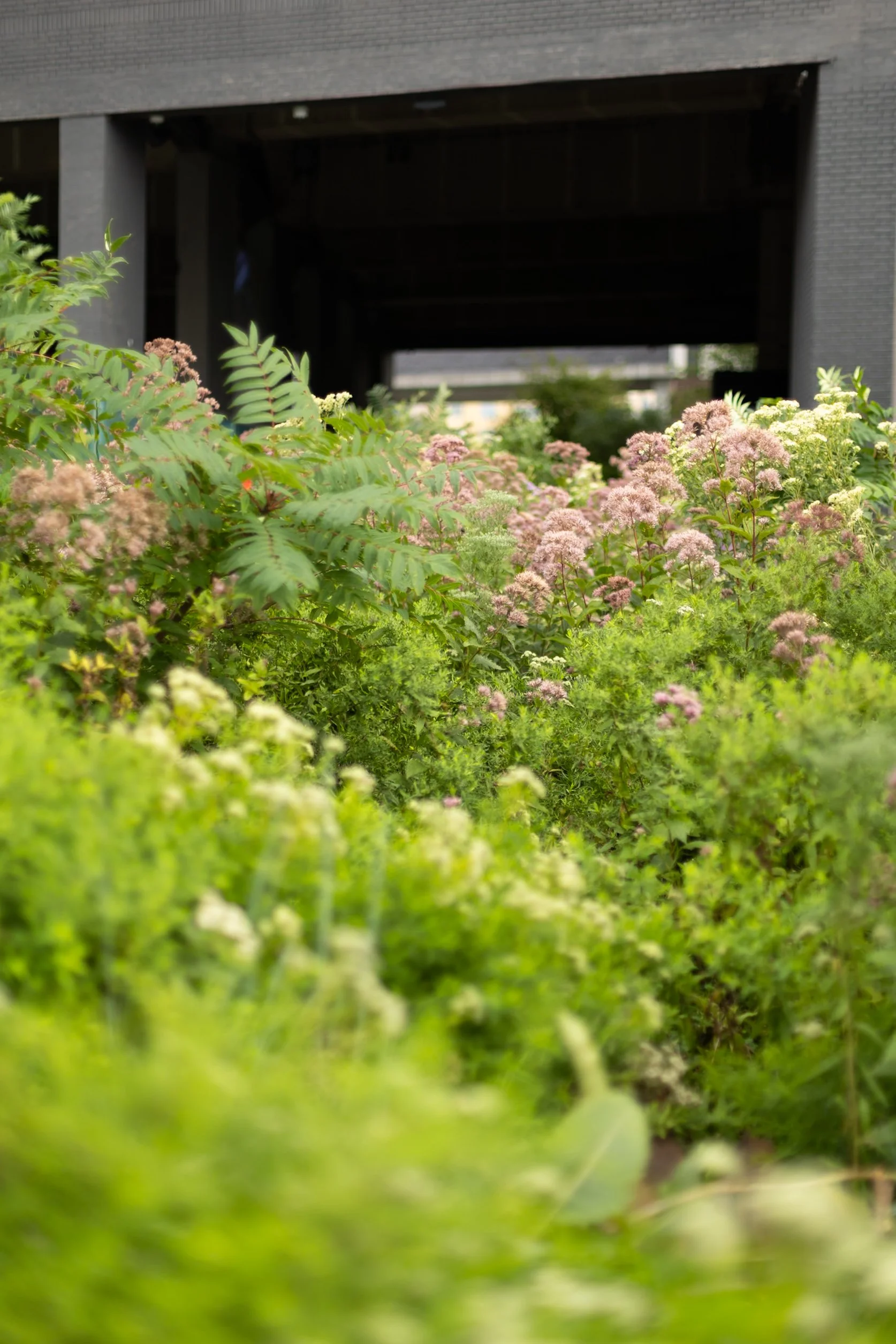
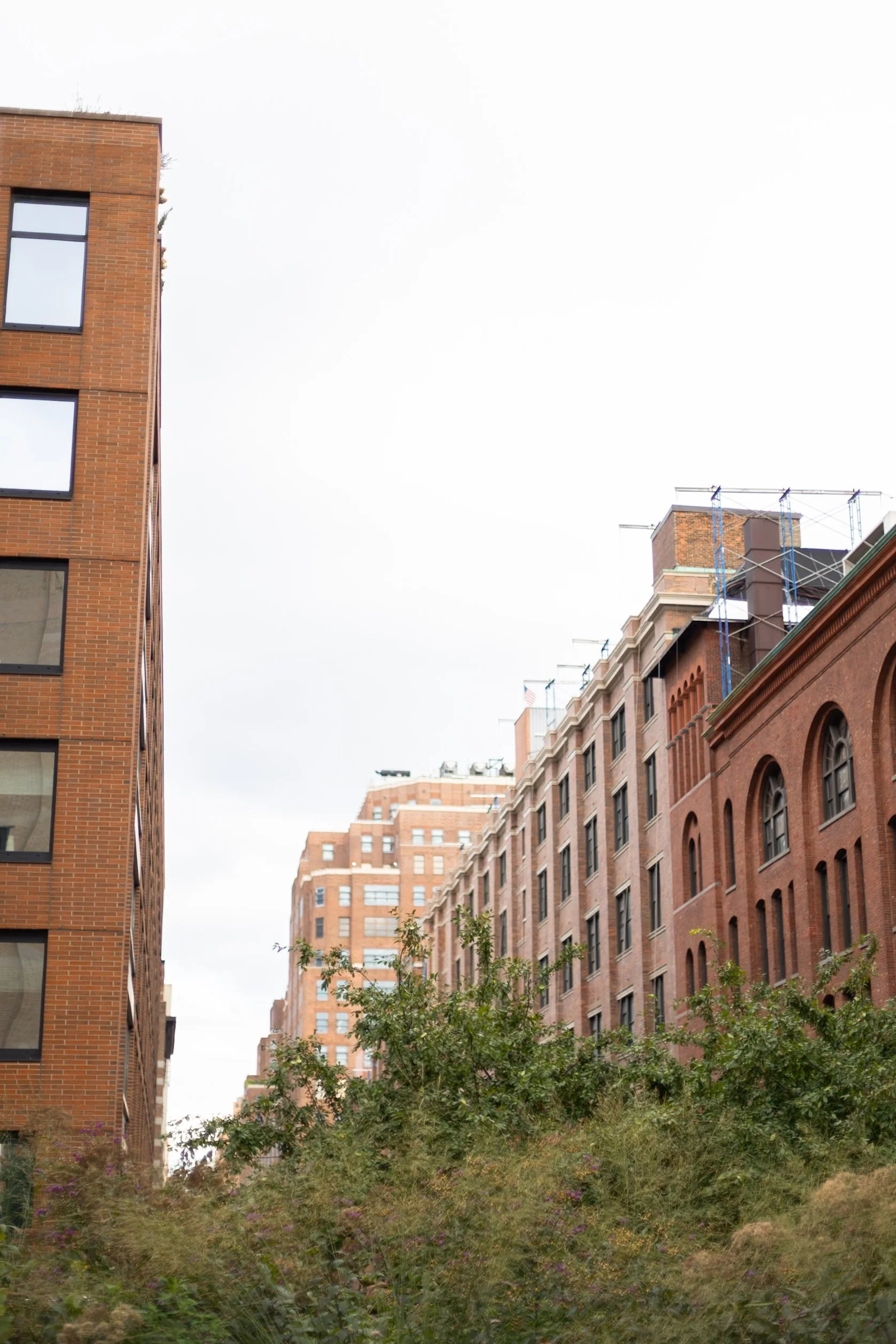
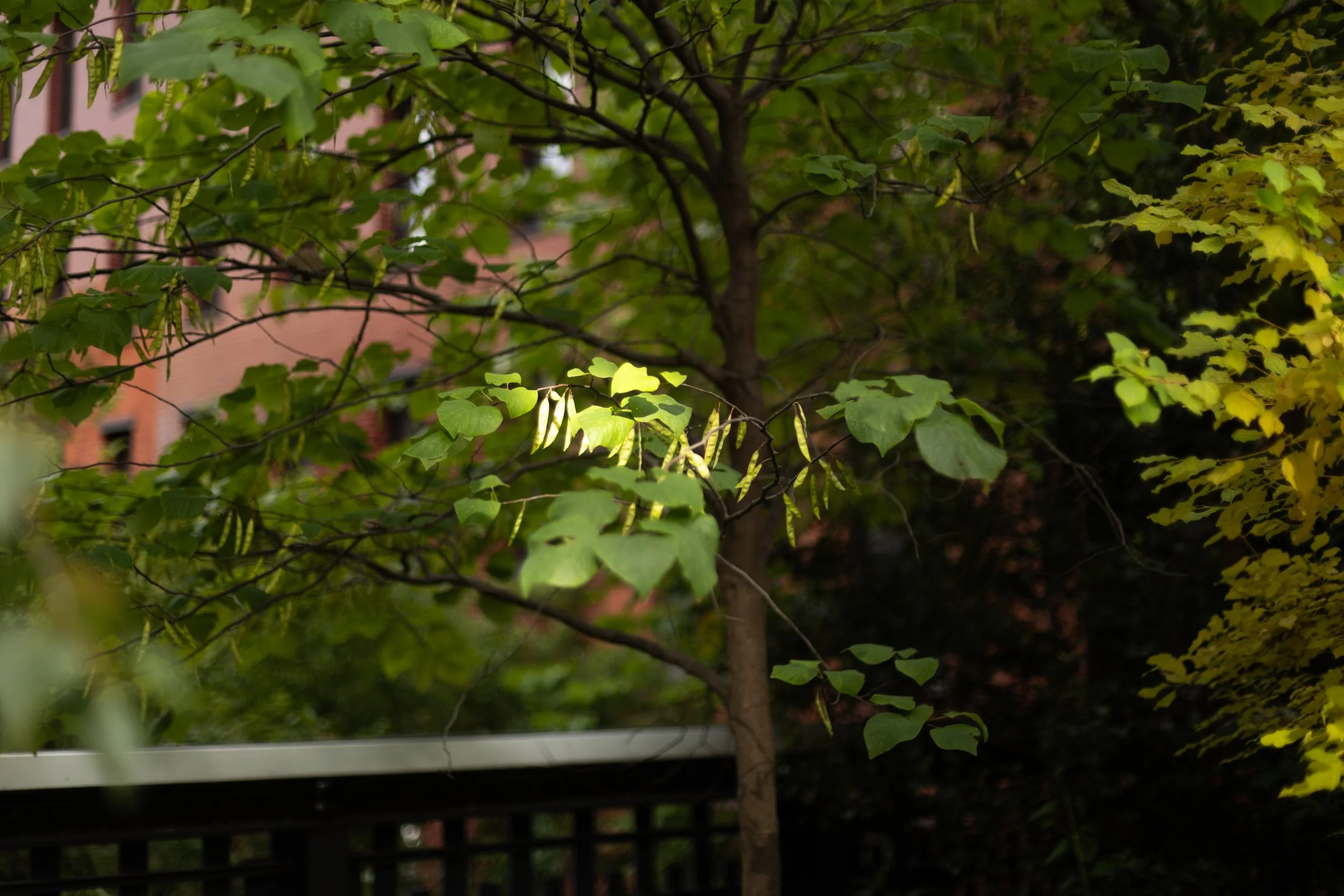
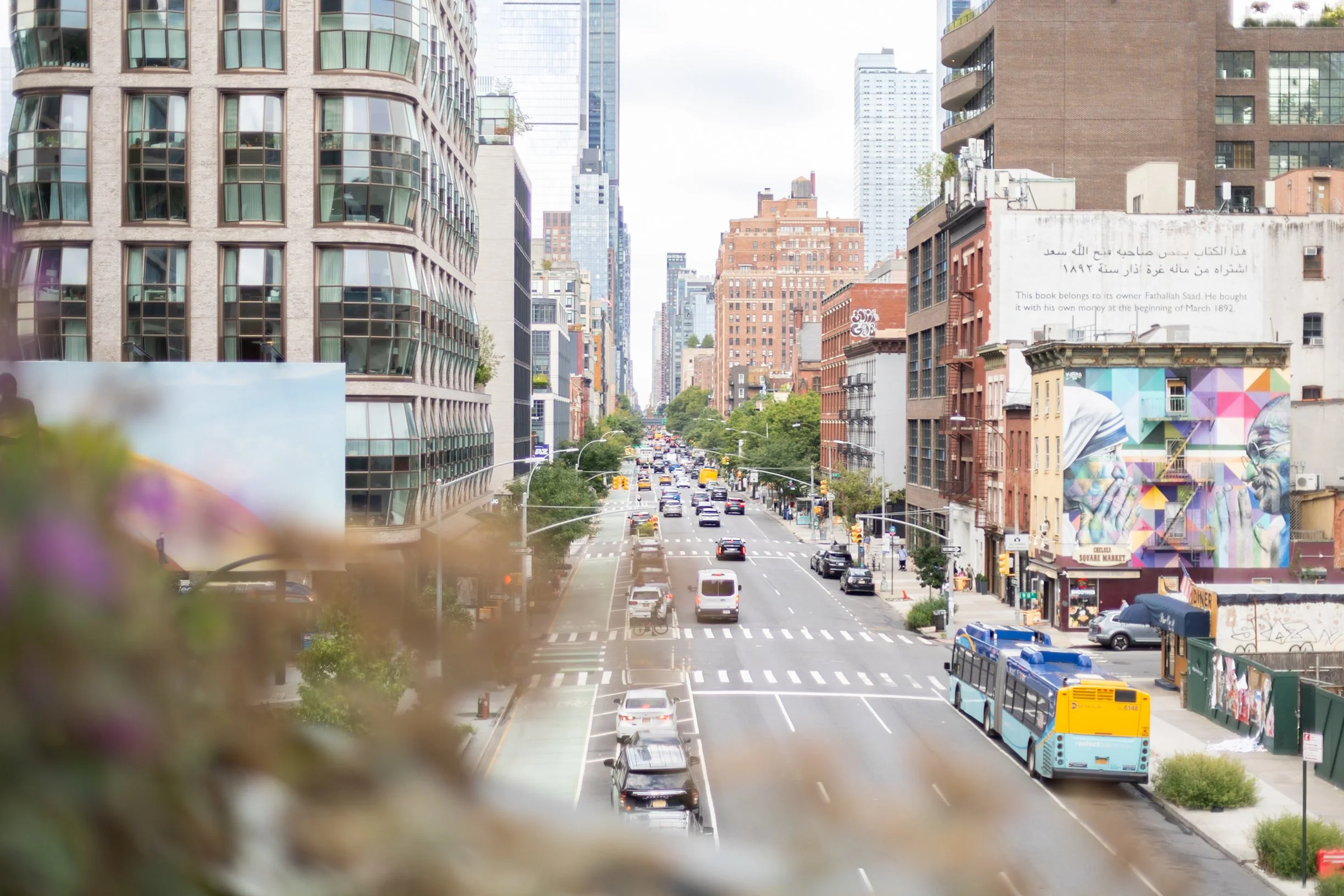
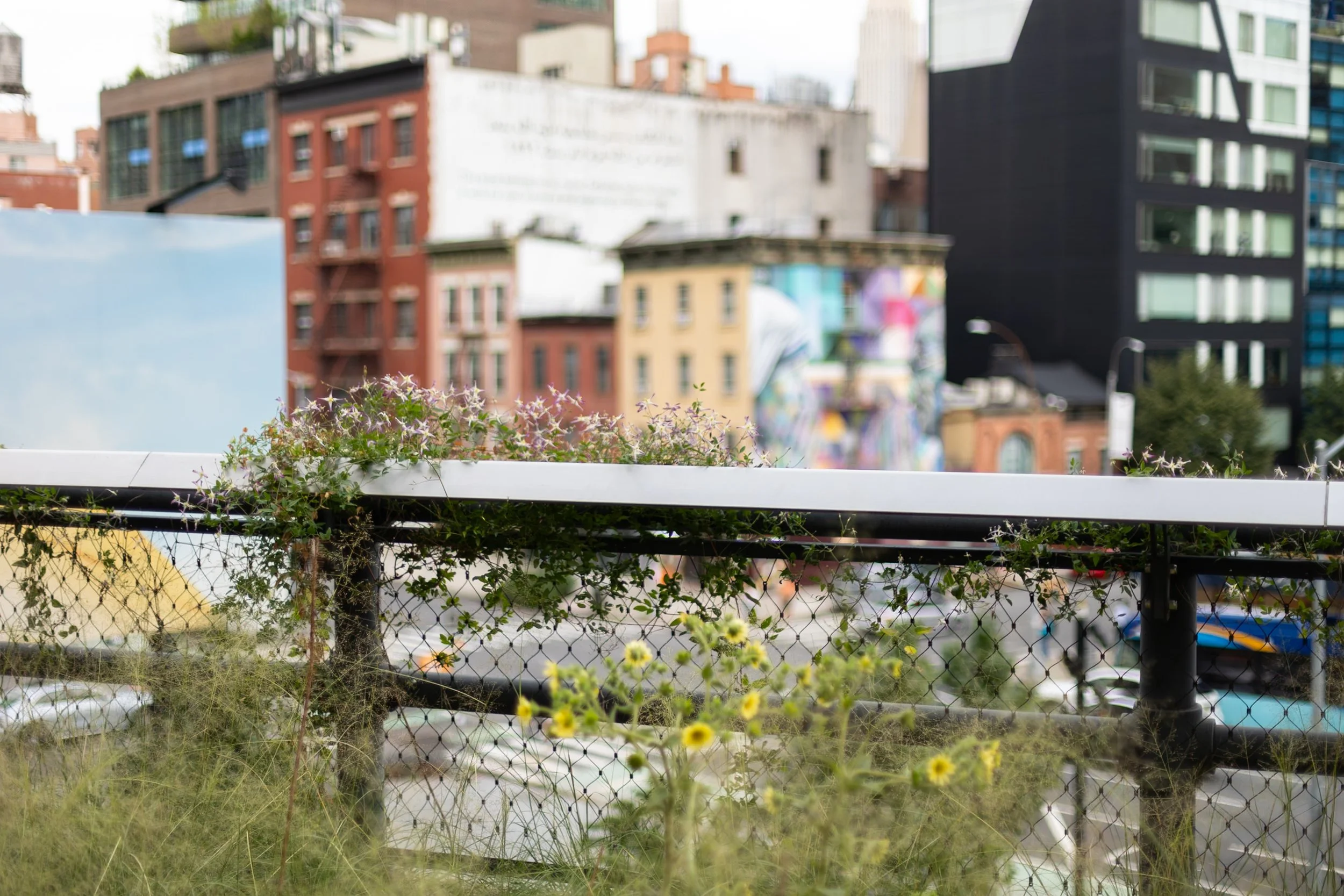
Intensively managed and carefully planned, the park provides nourishing habitats for birds and pollinating wildlife, and visual beauty to New Yorkers and visitors throughout each of the four seasons. This was my first visit and while I had been looking forward to it, I really had no comprehension of moving the experience would be; it’s just unlike any other public space I have ever encountered. The choice and variety of the plants is masterful. The layout, although essentially linear, is undulating, and constantly surprising. And the kaleidoscopic slideshow of views - flashes of the river, slivers of skyline, billboards, rooftops, office blocks, glass and asphalt, tree-lined avenues - ensure that every few minutes you have a new outlook and surface beneath your feet shifts from one material to another so that you feel you are constantly in a state of wonder and novelty.
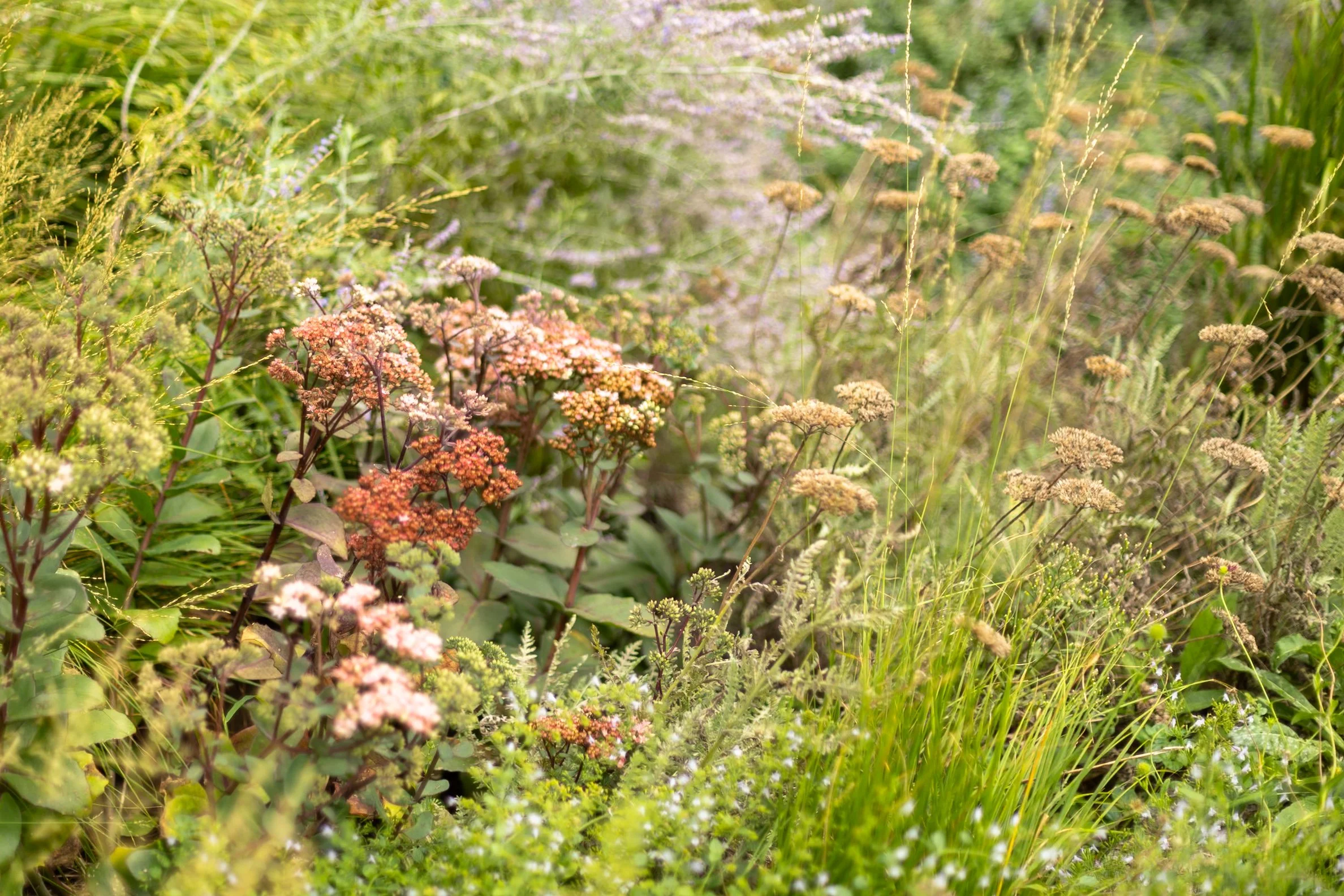
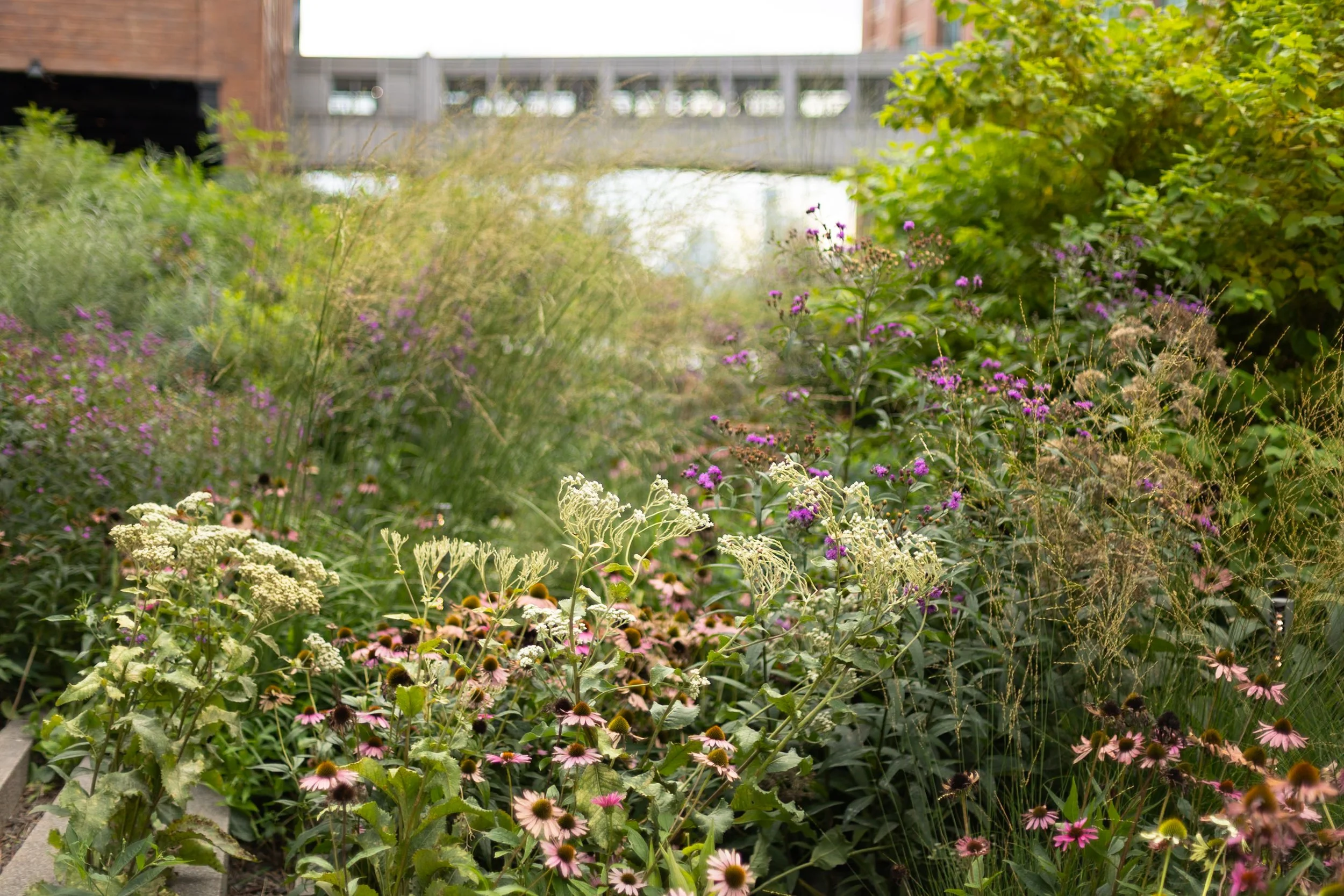
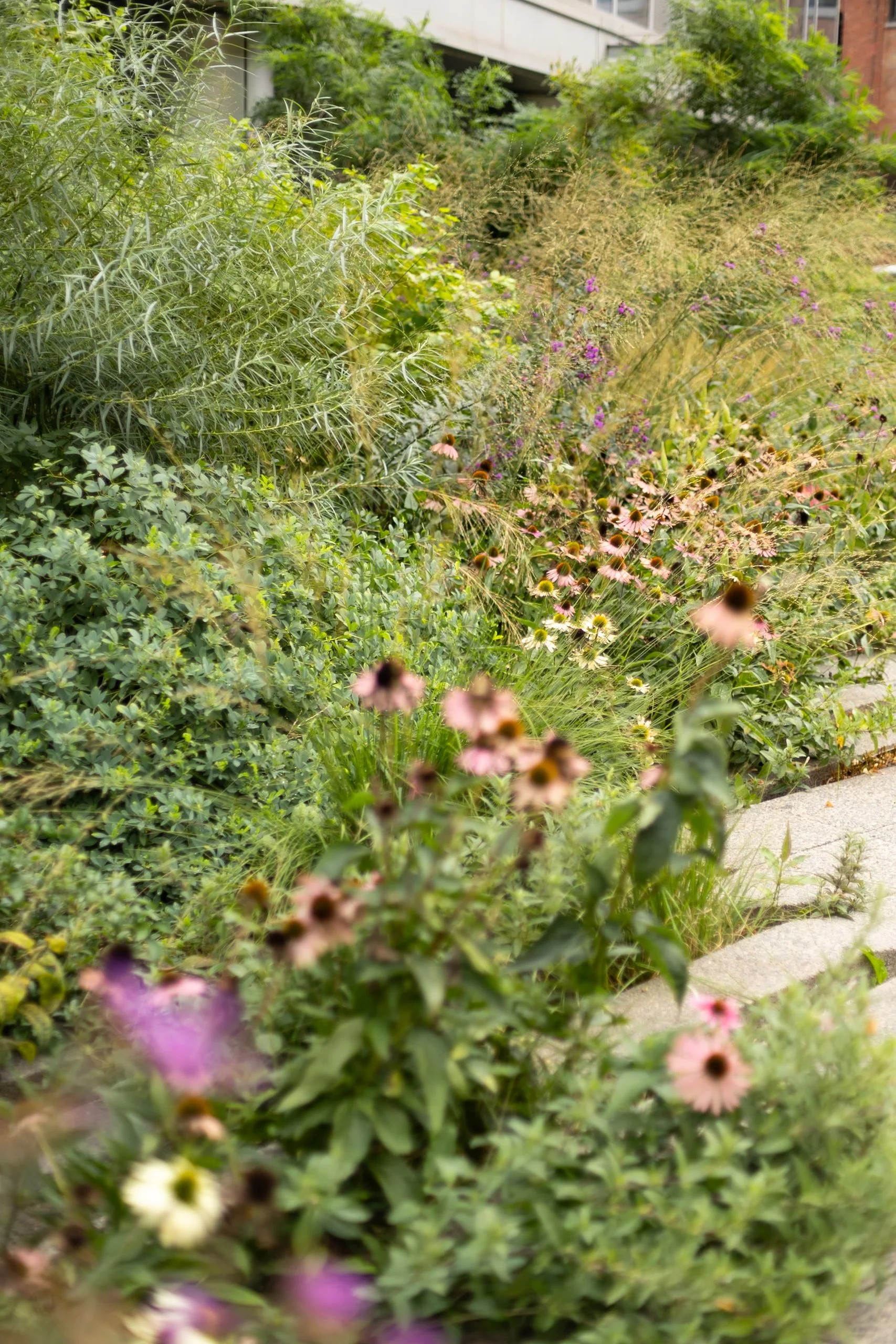
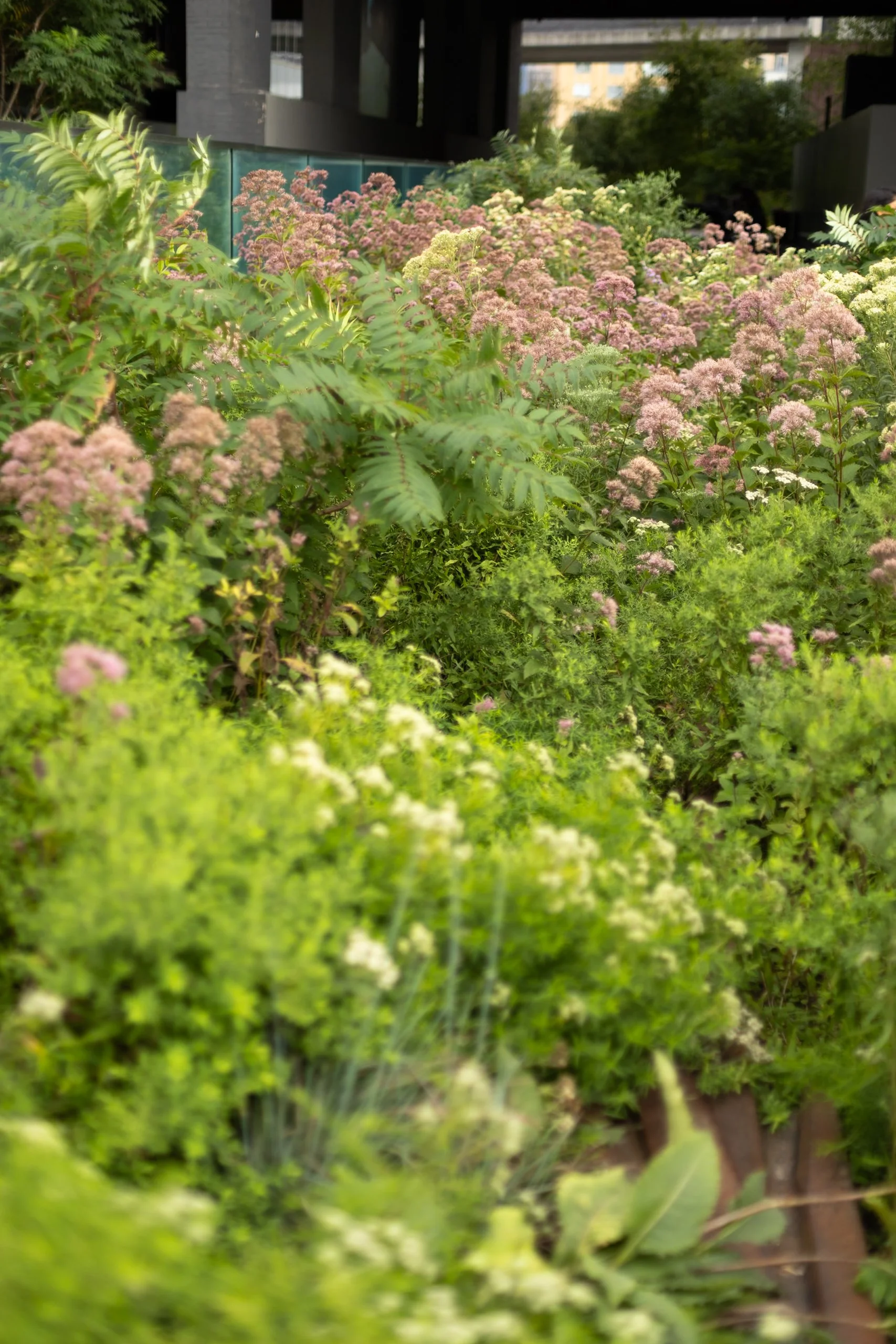
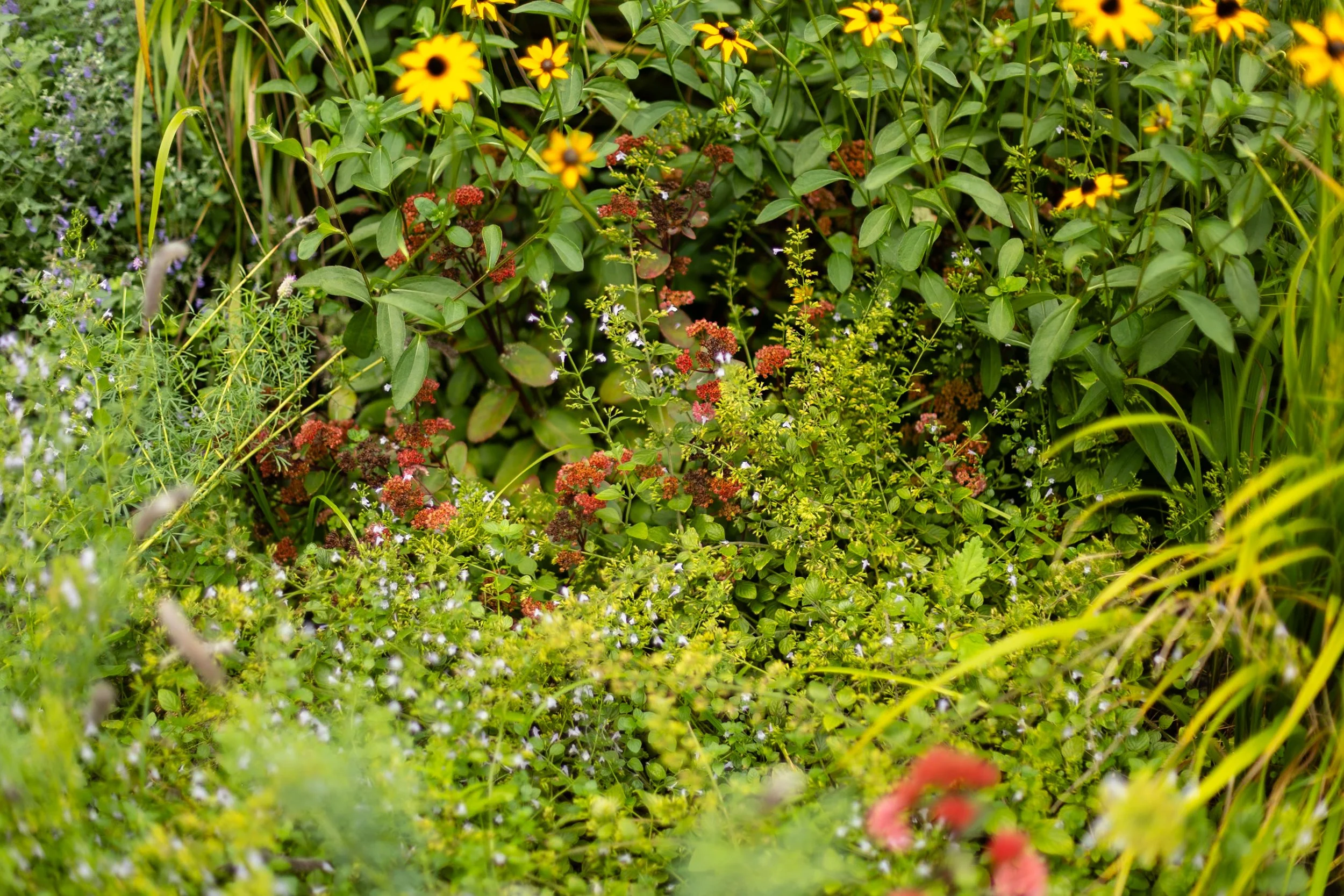
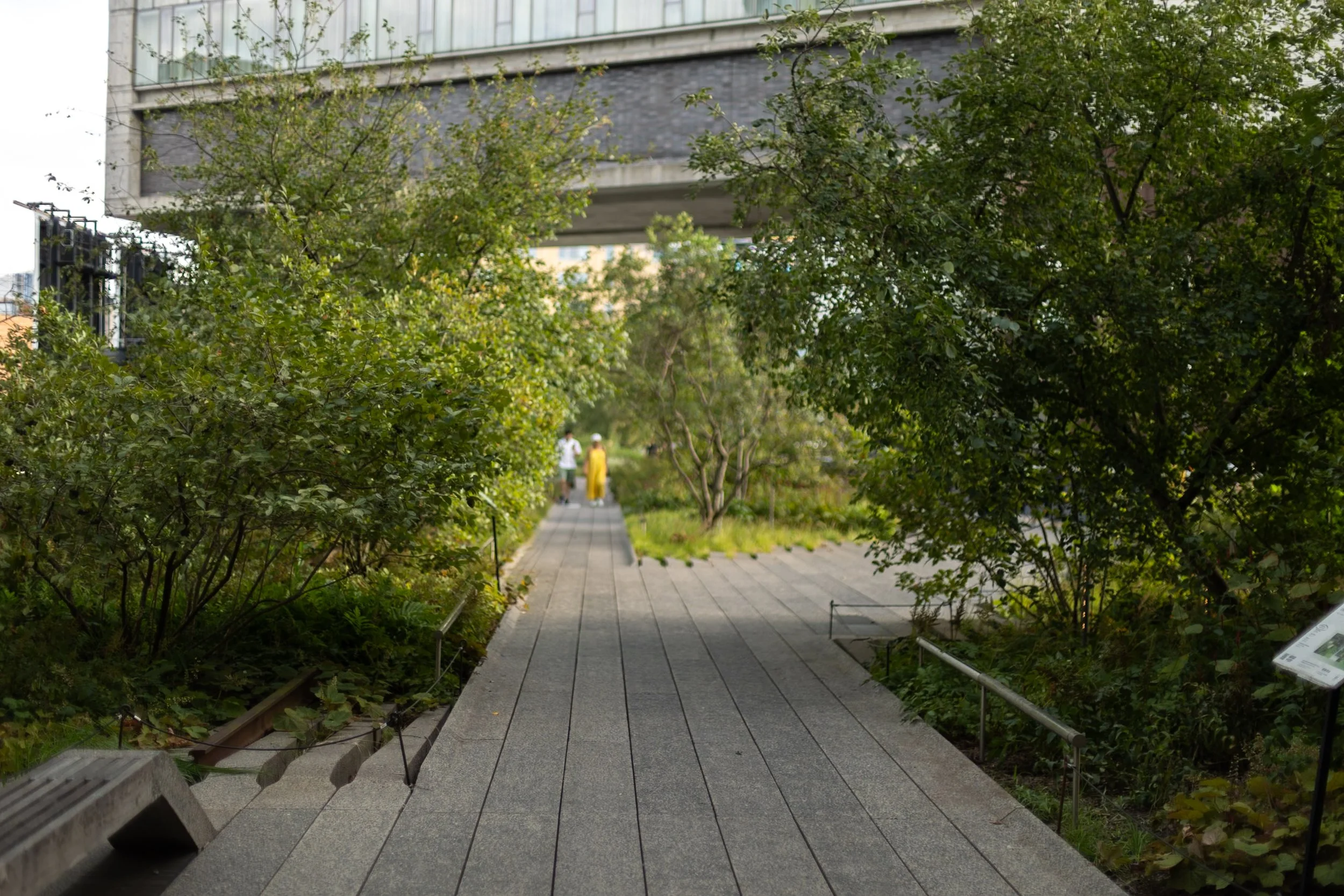
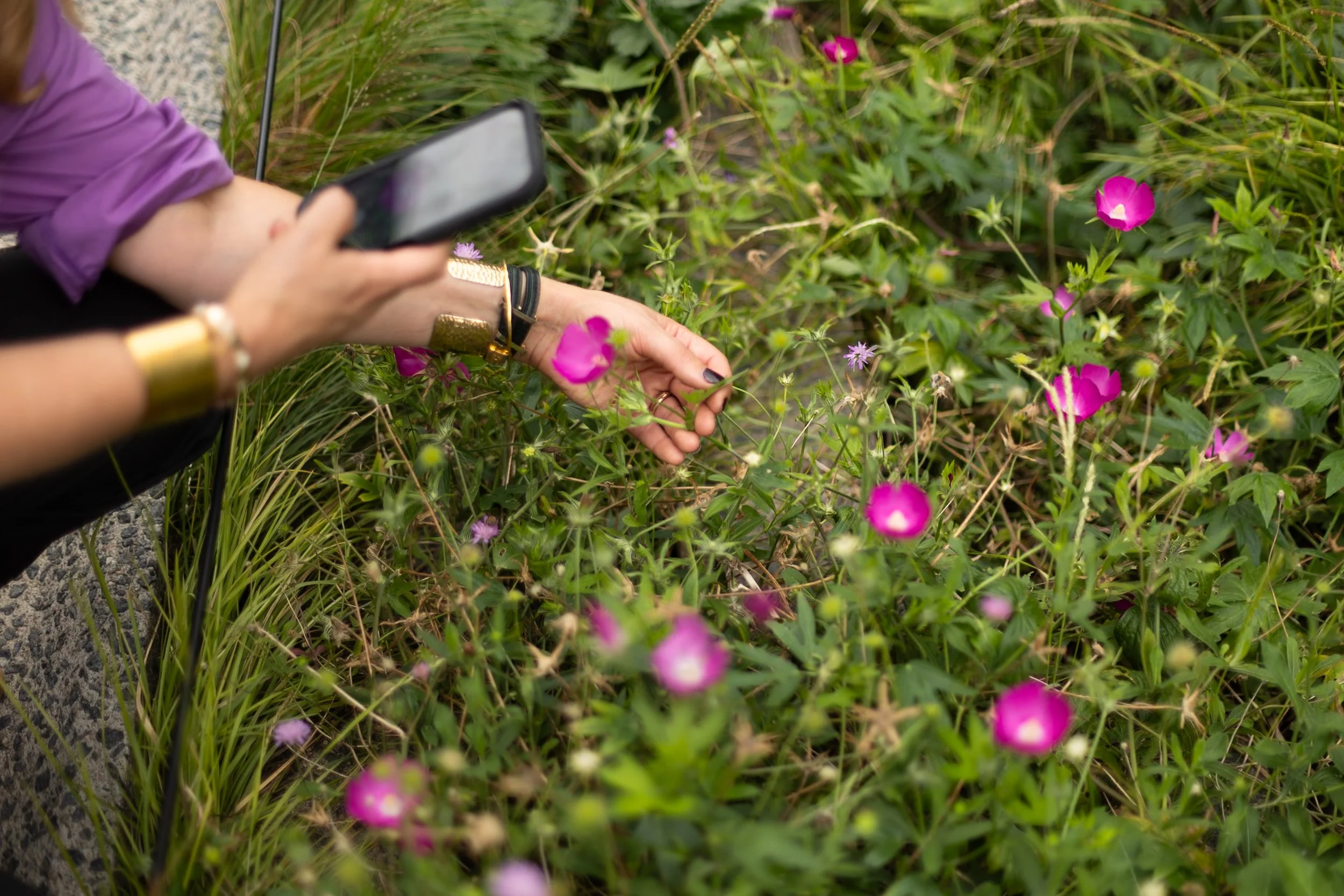
The walk was regularly interrupted by needing to crouch down, stroke, coo over and attempt to identify the plants by name. There were those we recognised and already a lot at this time of the year at the studio and school; but a great many we didn’t. Among those added to the ever-growing plant-list to investigate for the cutting garden were: New York ironweed (Veronica noveboracensis), short-toothed mountain mint (Pycanthemum muticum), narrow-leaved mountain mint (Pycanthemum tenuifolium), flowering spurge (Euphorbia corollata), purple poppy mallow (Callirhoe involucrata), butterfly weed (Asclepias tuberosa) and swamp rose mallow (Hibiscus moscheutos).
As we reluctantly reached the southern terminus of the Highline in the meatpacking district a saxophonist was playing jazz in the underpass, the warm reedy sound melting into the afternoon. Couldn’t be anywhere but New York.